Online Reporter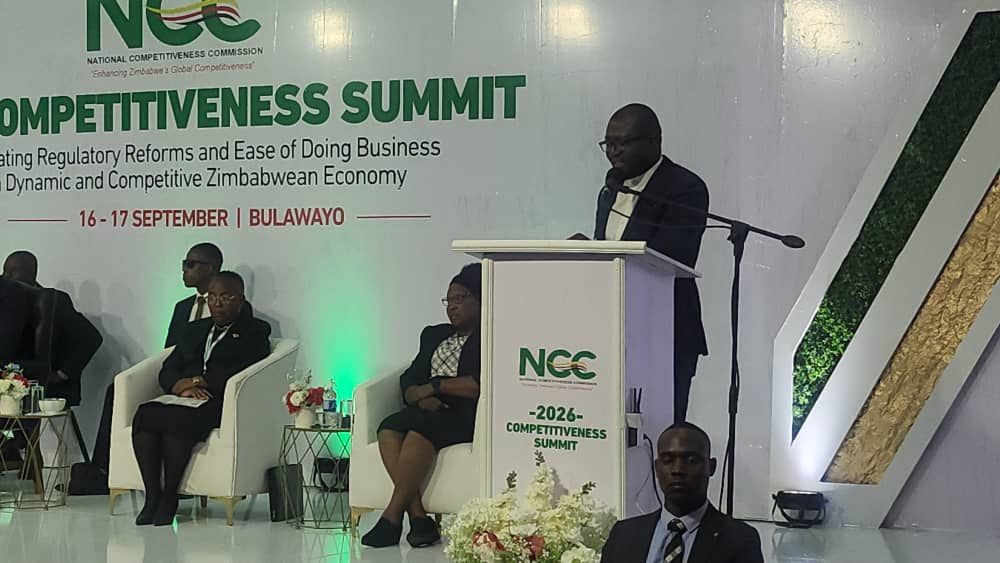
Sikhulekelani Moyo [email protected]
BULAWAYO Provincial Affairs and Devolution Minister Judith Ncube has called for accelerated regulatory reforms and a digital-first approach to Government services to improve the ease of doing business and restore Bulawayo’s status as Zimbabwe’s industrial heartland.
Minister Ncube was speaking at the 2026 Competitiveness Commission Summit in Bulawayo on Thursday, where she was represented by the Director for Coordination in her office, Mrs Boetsoarelo Noko.
The summit was held under the theme “Accelerating Regulatory Reforms and Ease of Doing Business for a Dynamic and Competitive Zimbabwean Economy.”
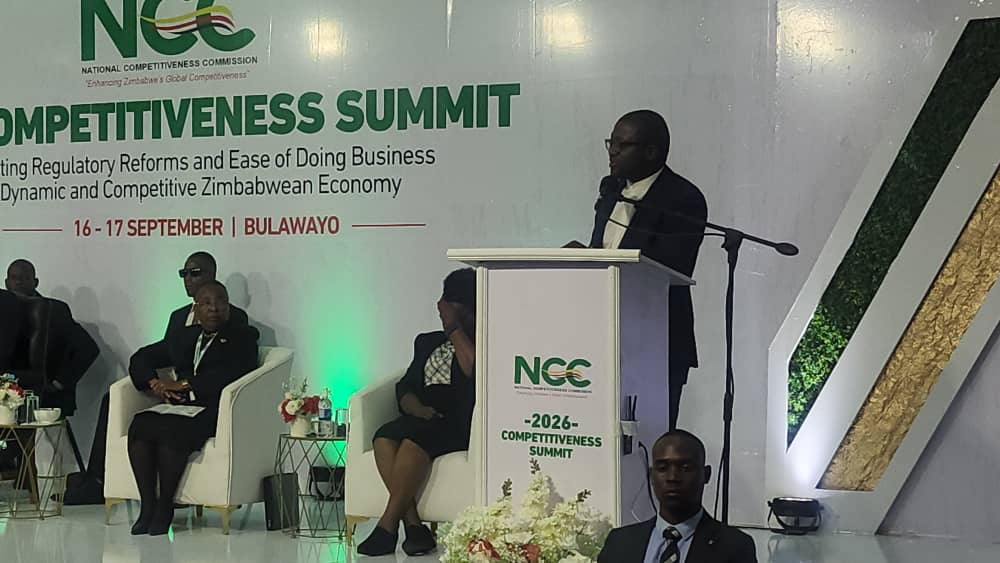
“Today we gather under a powerful and timely theme. This theme is not merely a collection of words. It is a clarion call for introspection, innovation and partnership,” said Minister Ncube.
She said the theme speaks directly to the call made by President Emmerson Mnangagwa during the first Cabinet meeting of 2025, when he acknowledged the need to remove barriers that hinder economic growth, including the need to review licences and payments.
The inaugural Competitiveness Summit, held in February 2025, also reinforced the importance of the agenda.
Minister Ncube said accelerating regulatory reforms requires a new regulatory philosophy that is agile, data-driven and business-friendly.
“This requires the active removal of outdated, duplicative and burdensome regulations that impose unnecessary costs on businesses and delay investment decisions,” she said.
“It also means embracing a digital-first approach to Government services, making it easier for entrepreneurs and investors to register businesses, obtain permits, access information and meet their tax obligations.”
She said digital systems must be designed to improve efficiency, transparency and accountability while reducing opportunities for delays and administrative bottlenecks.
“Furthermore, we must foster a regulatory environment that encourages innovation and embraces new technologies rather than restricting them through excessive red tape,” she said.
“Our goal is to create a regulatory framework that does not act as a barrier to enterprise but serves as a catalyst for business growth, investment and job creation.”
Minister Ncube said Bulawayo has traditionally been recognised as a major centre of manufacturing, commerce and innovation, historically serving as Zimbabwe’s industrial heartland with a strong presence in textiles, engineering and food manufacturing.
She acknowledged that economic challenges over the past two decades contributed to the decline of many industries in the city, but said Bulawayo retains significant industrial capacity, skills, infrastructure and entrepreneurial potential.
“These assets provide a strong foundation for the city’s economic revitalisation. Under the whole-of-government approach, we seek to ensure that no one and no place is left behind,” she said.
“There is no challenge that cannot be addressed through coordinated action, sound planning and sustained commitment.
“Closing the competitiveness gaps in Bulawayo and across the country is essential for achieving sustainable economic growth and development.”
She said Bulawayo Metropolitan Province remains committed to the devolution agenda, recognising that competitiveness is built not only at national level but also at local and provincial levels.
“The devolution agenda provides an opportunity for local and provincial authorities to take greater responsibility for planning and implementing development initiatives that respond to their specific economic strengths and community needs,” she said.
For Bulawayo, she said, this includes supporting industrial renewal, promoting local enterprise development and strengthening the city’s role as a centre of manufacturing, commerce and innovation.
She said a nation’s competitiveness is ultimately driven by the dynamism, creativity and resilience of its entrepreneurs, and a central pillar of the competitiveness agenda must therefore be the creation of a thriving entrepreneurial ecosystem.
“We must support entrepreneurs by improving access to finance, markets, technology, infrastructure, information and business development services,” said Minister Ncube.
“Addressing competitiveness across all sectors of the economy will have a positive impact on attracting both local and foreign investment. It will also contribute to industrial growth, employment creation, improved productivity and higher standards of living for our citizens.”
She expressed hope that the summit would produce actionable recommendations to enhance the ease of doing business.
The two-day summit, which started on Wednesday, is being officially opened by Vice-President Colonel (Rtd) Kembo Mohadi.
“Ladies and gentlemen, once again, Honourable Vice-President, I thank you for gracing this summit. I am confident that our deliberations will be fruitful and will chart a concrete path towards a more dynamic, competitive and inclusive Zimbabwean economy,” said Minister Ncube.