Judith Phiri, [email protected]
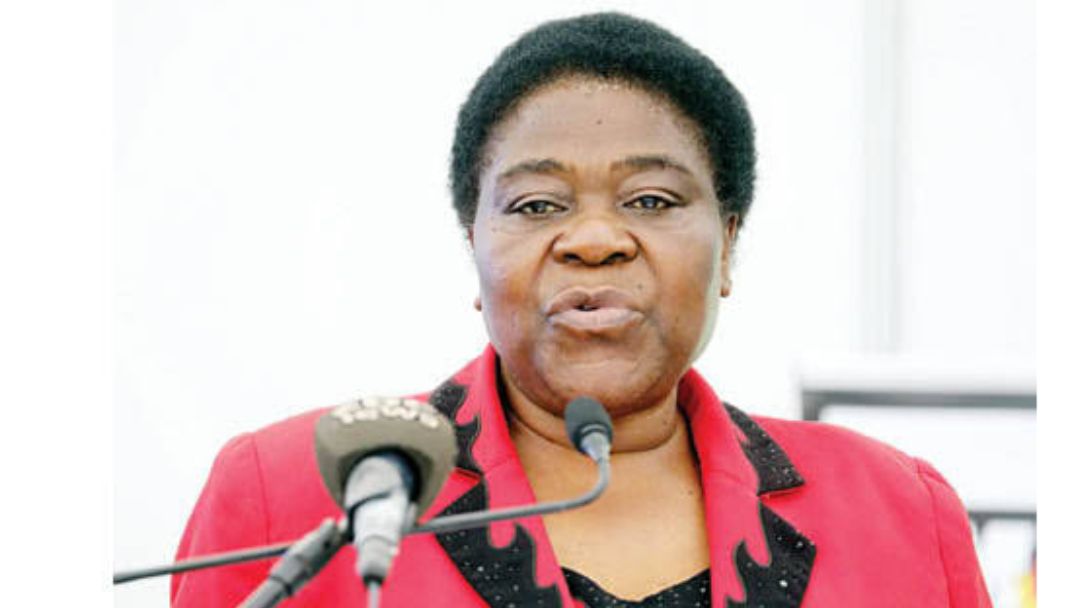
BULAWAYO Minister of State for Provincial Affairs and Devolution Judith Ncube has called on the city to advance localised research and develop innovative import substitution initiatives aimed at revitalising its manufacturing sector and strengthening domestic production capacity.
The call comes as Zimbabwe intensifies efforts to accelerate industrialisation, promote value addition and beneficiation, and strengthen the competitiveness of locally manufactured products in both domestic and regional markets.
In a speech read on her behalf by Deputy Director Mr Faison Antonio at the combined Bulawayo Economic Development Conference (BEDCON) and City of Bulawayo Research and Innovation Seminar (COBRIS) 2026, she said addressing economic and governance challenges in the city was critical.
“Through the principle of devolution, the President has made it clear that no place and no person should be left behind. Through devolution, local communities have been challenged to spearhead their developmental agendas.
“By converging, we are implementing Government policies where locals have been empowered to shape the development trajectory of their communities,” she said.
“Our hope is that we can advance localised research, come up with import substitution initiatives and contribute to industrial value addition right here in Bulawayo. We must find ways of strengthening provincial economies while contributing directly to our national macroeconomic growth.”
She said one of the achievements of the Second Republic, under the leadership of President Mnangagwa, was addressing the mismatch between industry and academia.
Minister Ncube said gone are the days when universities and colleges produce graduates who are not industry-ready.
“This is because industry and academia are now working closely together, as we witness today through the city working collaboratively with industry and academia to solve governance challenges in Bulawayo,” she added.
“We are reminded that research, science, technology, and innovation stand as the primary catalysts for structural economic transformation. Under the National Development Strategy 2 (NDS2), research and innovation are no longer treated as isolated academic exercises.”
The Minister said they were structural drivers designed to unlock local resources, modernise industries, increase competitiveness, and generate sustainable, high-value jobs for our citizens.
She called for championing several key pillars of NDS2, including technology, innovation and human capital development, devolution and decentralisation, and inclusive economic growth and structural transformation.
In a speech read on behalf of Bulawayo Mayor Senator David Coltart by Councillor Aleck Ndlovu, he said they have a clear vision of becoming a smart and sustainable city.
“As we host this conference, we build on the foundation we laid last year when we hosted both the BEDCON and COBRIS conferences as we buttress our thrust of being a knowledge-based economy.
“For Bulawayo to develop, we need to be informed by data and statistics and this conference becomes that window where we interrogate our limitations and also come up with solutions to drive Bulawayo’s economy,” he said.
He said Bulawayo has always been a city of firsts, a hub of manufacturing, culture, and intellectual excellence.
The Mayor said the city has a beautiful history, but history alone will not create the legacy needed to carry forward.
“That is why we are investing in research as a city. We have collaborated with our local tertiary institutions for this conference as we understand the power of collaboration in a knowledge-driven society.”
The three-day event is running under the theme: “The implementation imperative: Delivering sustainable prosperity through collaborative industry.”