Patrick Chitumba, [email protected]
THE establishment of a Fidelity Gold Refiners (FGR) service centre in mineral-rich Mberengwa District is set to bring formal gold trading, milling and processing closer to artisanal and small-scale miners while helping Government plug mineral leakages.
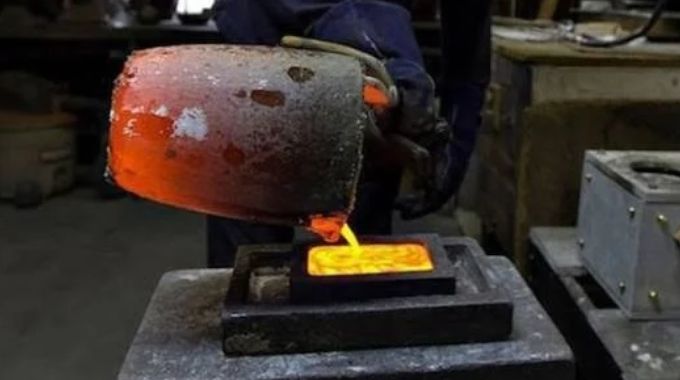
The facility, which is nearing completion is expected to strengthen the formalisation of artisanal and small-scale mining (ASM) by providing miners with access to processing and formal markets closer to their operations.
The development dovetails with the Government’s broader mining-sector strategy of increasing production, formalising small-scale mining, curbing gold leakages and ensuring that more value generated from the country’s mineral resources is retained within the formal economy.
It is also in line with the Vision 2030 thrust of leaving no one and no place behind by creating opportunities for communities in resource-rich areas to participate in and benefit from economic activity.
The Mberengwa facility will provide milling, gold processing and buying services under one roof, reducing the distance miners have to travel to access formal markets while providing a structured pathway into the formal economy.
Project manager at Boltas International, Mr Gift Chimunda, said the project was nearing completion and would have a combined processing capacity of 100 tonnes of gold ore per day.
“In fact, we are almost done with this project. We are putting the final touches and this plant will process 75 tonnes per day of gold ore. The second circuit will process 25 tonnes per day,” he said.
Mr Chimunda said the facility, which includes offices, a laboratory, tailings storage facilities and ponds, had specifically been designed to cater for artisanal and small-scale miners.
“Once that gold is processed, we are going to sell it here. It is beneficial to small-scale miners since eerything is going to be done under one roof,” he said.
The project comes against the background of Government efforts to integrate artisanal and small-scale miners into the formal mining economy, recognising their contribution to Zimbabwe’s gold production while addressing challenges associated with informal operations and mineral leakages.
Formal access to processing and markets is expected to make it easier for miners to account for their gold deliveries, access legitimate buyers and retain more value from their production within the formal economy.
President Mnangagwa has repeatedly emphasised the need for Zimbabwe to derive greater economic value from its mineral resources through increased production, value addition and beneficiation, while encouraging greater participation of local communities in economic activities.
In Mberengwa, where mining is a major economic activity, the new facility is expected to strengthen the link between mineral production and formal markets.
Traditional leader Chief Bvute welcomed the development, saying it would help formalise gold production in an area with numerous mining claims while improving livelihoods.
“This project is going to legally facilitate gold production here where there are many mining claims. It will improve many livelihoods,” he said.
“I’m very confident that in the next few months, we will start to see some positive developments in this district.”
Chief Bvute said the development would also help address mineral leakages associated with illegal gold trading and ensure that more of Mberengwa’s mineral wealth contributes to the national economy.
Mberengwa District Development Coordinator Mr Vafios Hlabati said the centre would serve miners from Mberengwa and surrounding areas, making it an important addition to the province’s mining infrastructure.
“The President is establishing a gold refinery centre that is going to assist artisanal miners in Mberengwa, the Midlands province and the country at large. What is being done here is commendable,” he said.
Mr Hlabati said the facility would strengthen efforts to formalise artisanal and small-scale mining, which remains an important component of Zimbabwe’s gold production.
“This development is also consistent with the Second Republic’s thrust of ensuring that communities in resource-rich areas are not left behind in the country’s development trajectory, as
Zimbabwe works towards Vision 2030 through increased production, value addition, beneficiation and inclusive economic empowerment,” he said.
For the miners, the facility is expected to address distance, which is one of the challenges associated with accessing formal markets.
Mr Gadzirai Mudzingwa (49), a gold miner and Ward 2 councillor in Mberengwa District, said the centre would help close channels through which gold is lost through illegal trading and smuggling.
“This will surely help us as small-scale miners in such a way that this development will curb leakage and smuggling. I want to thank the Second Republic for spearheading such a great move because, as you know, Mberengwa is a big district with vast mineral deposits,” he said.
Clr Mudzingwa said the centre represented more than a gold-buying point, as it would provide a structured link between mining, processing and formal marketing.