Online Reporter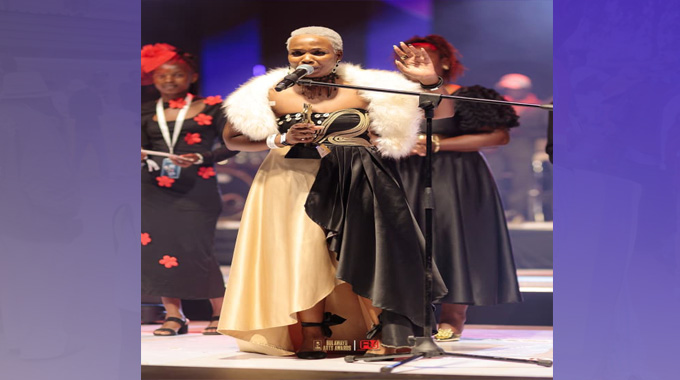
Mbulelo Mpofu, Zimpapers Arts and Entertainment Hub
FROM celebrity deaths and long-awaited comebacks to artistes venturing into politics, the past year has been nothing short of dramatic in the showbiz arena. Over the last 12 months, the coronavirus pandemic continued to cast its shadow over the entertainment industry, demanding resilience and reinvention from creatives across the board.
As the year draws to a close, we revisit the biggest stories that shaped show business in 2025 — a year marked by local triumphs, bitter feuds, and seismic shifts for Bulawayo’s stars.
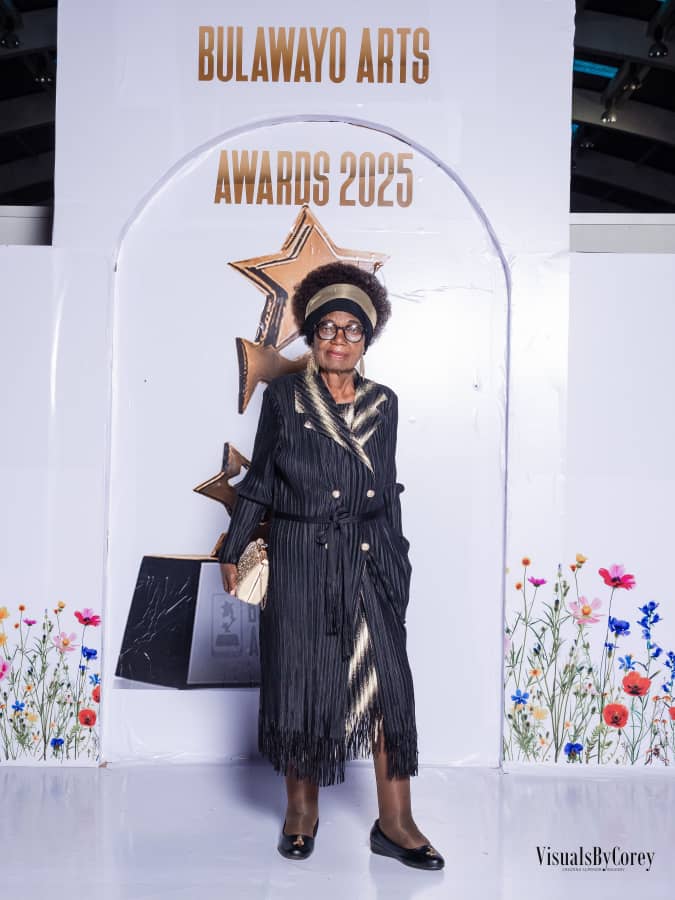
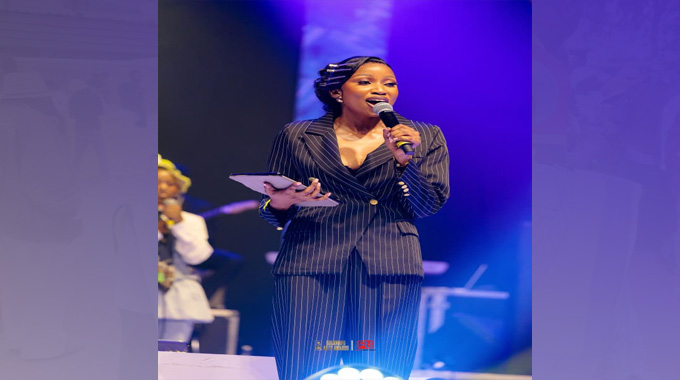
The resounding return of the Bulawayo Arts Awards (BAAs) was, without question, a defining moment. After repeated postponements and a two-year hiatus since 2023, the BAAs finally lit up the stage at the Zimbabwe
International Conference & Exhibition Smart City (ZICES) Hall 3. The ceremony carried a dual purpose; to honour artistic excellence spanning the past two years and to pay heartfelt tribute to departed legends.
In October, organisers announced the renaming of five key awards to immortalise late icons: the Litshe Outstanding Dance Ensemble Award (Ishmael “Litshe” Muvingi); the Moyoxide Outstanding Poet Award (Desire “Moyoxide” Moyo); the Pathisa Nyathi Outstanding Literary Work Award (historian Pathisa Nyathi); the Babongile Sikhonjwa Outstanding Radio DJ Award (Babongile “SaQobo” Sikhonjwa); and the Qhube Outstanding Theatre Production Award (arts teacher Sihlangu “Qhube” Dlodlo). The deaths of poet Desire “Moyoxide” Moyo and beloved radio personality Babongile Sikhonjwa earlier this year lent these posthumous honours a deeply poignant resonance.
Last Saturday’s BAAs even delivered a surprise appearance from Freddy Gwala. Yet, the glamour was preceded by drama. Actor and musician Madlela Sikhobokhobo stunned fans by declining his nomination for “Outstanding Online Content Creator” (alongside Sipho Mercent Nyathi, Umnikazi Wempuphu, and Chik Aljoy). His reasoning?
“The mere reason that he has won enough of BAA and it’s time for new people to get nominated.”
Some speculated that his political ambitions were the real motive. Sikhobokhobo had set his sights on the Nkulumane Constituency parliamentary seat, left vacant by the tragic death of legislator Mr Desire Moyo in a road accident on 10 October — a bold career pivot for the popular Tshibilika artiste.
Bulawayo’s drama wasn’t confined to the stage. The year opened with a fiery musical feud. Nketa 7-bred dancehall artiste Norest “Fury Gun” Muringa accused fellow musician Fab G of stealing the concept for his hit Imali Yes’gweja, claiming originality with his own track Mari Yagweja. The spat erupted across social media, splitting fans and plunging the local scene into bedlam as debates over creativity and ownership raged.
Venue controversies also grabbed headlines. In November, songstress Noluntu J publicly clashed with Nexus Rooftop management, alleging discriminatory treatment during South African musician MaWhoo’s show — a claim that sparked a wider backlash. The venue trended as other artistes and fans echoed accusations of being treated like “second-class citizens.”
Nexus management dismissed the uproar as “noise without action,” adding provocatively that some complainants “can’t fill their own sitting room for a show.” That jab inspired Noluntu J’s defiant #FillUpTheSittingRoom concert at Bulawayo Theatre earlier this month — a bold statement of artistic solidarity.
Partnerships fractured too. The year witnessed the acrimonious split between Madlela Sikhobokhobo and Sikhosana Buhlungu. Buhlungu accused Sikhobokhobo — now immersed in politics — of embezzling funds linked to his failed GoFundMe campaign. Buhlungu’s plea for £4 000 to buy a car “to ease his journey as an artiste” became a national punchline after raising a mere £86 in two months. His attempt to woo flamboyant businessman Sir Wicknell Chivayo for a vehicle via Facebook ended with a notorious “blue tick” — social media shorthand for being ignored. Widely branded a “beggar,” Buhlungu’s career seemed doomed, only to be unexpectedly revived through a collaboration with controversial artiste Black Diva on the track December.
True to form, Black Diva stirred her own storm. The South Africa-based singer dismissed Bulawayo as “a ground for washed-up South African acts” and derided local music as “Itakla” — a slur implying poor quality and lack of originality. Her remarks sparked outrage, but controversy has always been her oxygen.
Amid the chaos, rays of positivity pierced through. Veteran creative Simon “Mambazo” Phiri launched the ambitious “50 Dates at the Theatre” initiative, reinforcing his stature as a cultural custodian. A co-founder of Siyaya in the 90s, Phiri continues to mentor young talent and shape Bulawayo’s artistic landscape, while also serving on the BAA organising team.
The BAAs spotlighted the vital role of arts journalism. The Zimpapers Arts and Entertainment Hub clinched the “Outstanding Online Content” award — a significant institutional accolade for consistent excellence in covering the local scene. Adding to the hub’s prestige, journalists Langalakhe Mabena, Mthabisi Tshuma, and myself earned nominations in the fiercely contested “Outstanding Arts Journalist (All Media)” category.
Zimbabwean art also claimed global recognition. Raphael Chikukwa, Executive Director of the National Gallery of Zimbabwe, achieved a historic milestone by being elected to the Board of the International Committee for Museums and Collections of Modern Art (CIMAM) for the 2026-2028 term. His election at the 57th CIMAM Annual Conference in Turin, Italy, signals Zimbabwe’s growing prominence on the international art stage.
On a personal note, I ventured beyond Bulawayo for key continental insights. October saw me attend the influential Music in Africa Conference for Collaborations, Exchange and Showcases (ACCESS25) in Tshwane, South Africa — a vital nexus for Africa’s music industry professionals. Further engagements included Mzansi Magic’s Big Brother Mzansi Reunion Party, the Global Creative Summit (GCS), and the star-studded 31st South African Music Awards.
Particularly inspiring was witnessing the National Employment Facility for the Creative Industries in South Africa (NEFCISA), a Music in Africa Foundation project, actively training youths for careers in the creative economy. These experiences offered invaluable lessons on how other nations nurture and professionalise their creative sectors.
As the curtain falls on 2025, Bulawayo promises one last spectacular hurrah. Today, Saturday 27th December, scores of entertainment lovers will converge on ZICES for the annual Bulawayo Shutdown Concert. The line-up boasts a powerhouse mix of local and regional talent, headlined by South African hip-hop star KO and Amapiano sensation Young Stunna. They’ll share the stage with a formidable home-grown contingent: Noluntu J, Fab G Mshanakagogo, Bhila, Ma9nine, Insimbi ZeZhwane, Silent Killer, Jnr Spragga, Hulengende, Chillmaster Winky D, and Ngwere Diki.
The Shutdown is the ultimate exclamation point on a year brimming with surprises, scandals, comebacks, and hard-earned accolades. From tributes at the revived BAAs to fiery social media spats and audacious political leaps, Bulawayo’s showbiz scene has proved its resilience and its relentless knack for generating headlines. As the bass drops at ZICES tonight, one thing is certain: the echoes of 2025 will reverberate long into the New Year. What drama, music, and unexpected turns 2026 holds remains thrillingly just around the corner. —@MbuleloMpofu