shloboe boe
Rutendo Nyeve, Sunday News Reporter
THE 2024 third-quarter crime statistics report from the Zimbabwe National Statistics Agency (Zimstat) has revealed that Bulawayo holds the highest crime rate in the country, nearly doubling the national average.
The data paints a concerning picture of rising crime in the province, with Bulawayo residents bearing a disproportionate share of the nation’s crime burden.
According to the report, Bulawayo’s crime rate stands at an alarming 2 506.1 per 100 000 people, significantly surpassing the national average of 1 370.6 per 100 000.
“The crime rate in Bulawayo Province nearly doubled the national crime rate, at 2 506.1 per 100 000 people against the national average of 1 370.6. Of the 205 925 cases recorded in the third quarter nationally, 84 001 were crimes against public safety and state security.
“The second most common type of crime recorded was acts against property only, with 48 566 cases. Acts leading to harm or intending to cause harm to the person were 40 078. The total number of persons charged by the police for all offences was 150 263, of which 89 percent were male,” reads the report.
Nationally, the number of individuals charged in connection with these offences reached 150 263, with men comprising 89 percent of those charged. The overall rate of charged persons increased to 990 per 100 000 people, up from 923,4 in the second quarter.
The disparity between genders is stark, with a rate of 1 825,1 charged males per 100 000 compared to 218,3 charged females per 100 000.
While Bulawayo leads in crime rate, other provinces including Harare, Matabeleland South, Midlands, Mashonaland Central and Masvingo also reported crime rates exceeding the national average, indicating a broader challenge across the country.
The national crime rate itself has seen an uptick, rising from 1 296,5 per 100 000 in the second quarter to 1 356,6 per 100 000 in the third quarter. This translates to approximately 1 357 crimes recorded for every 100 000 people nationwide.
Crimes against public order and state security also saw an increase, rising to 553,4 per 100 000 population from 491 per 100 000 in the previous quarter.
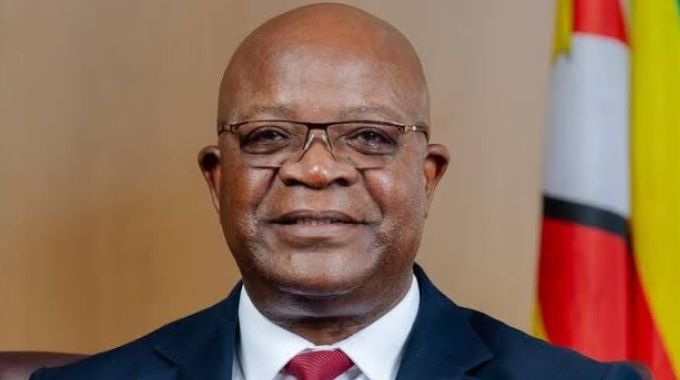
Commenting on the statistics, Zimstat Director-General, Mr Tafadzwa Bandama said the Zimbabwean community has of late experienced more incidences of crime that include theft, robbery, sexual offences, drug-related crimes and murder.
He said such vices leave society entangled with emotional, psychological and physical damage.
“Acts of crime may result in tensions within families, financial losses, expenditures on private security measures, mental disorders and loss of life. At the Government level, resources spent on law enforcement and criminal justice come at the expense of social service delivery.
“To this end, the production of crime statistics plays a vital role in shaping policies and planning within the criminal justice system. Crime statistics reveal trends in criminal activities, enabling policymakers, law enforcement agencies and other stakeholders to develop evidence-based strategic interventions to curb the rise in crime rates,” he said.
The statistics were based on data collected from the Zimbabwe Republic Police (ZRP) Crime Report and Disposal System. The crime statistics are aggregated based on the United Nations. — nyeve14


 Online Reporter