Online Reporter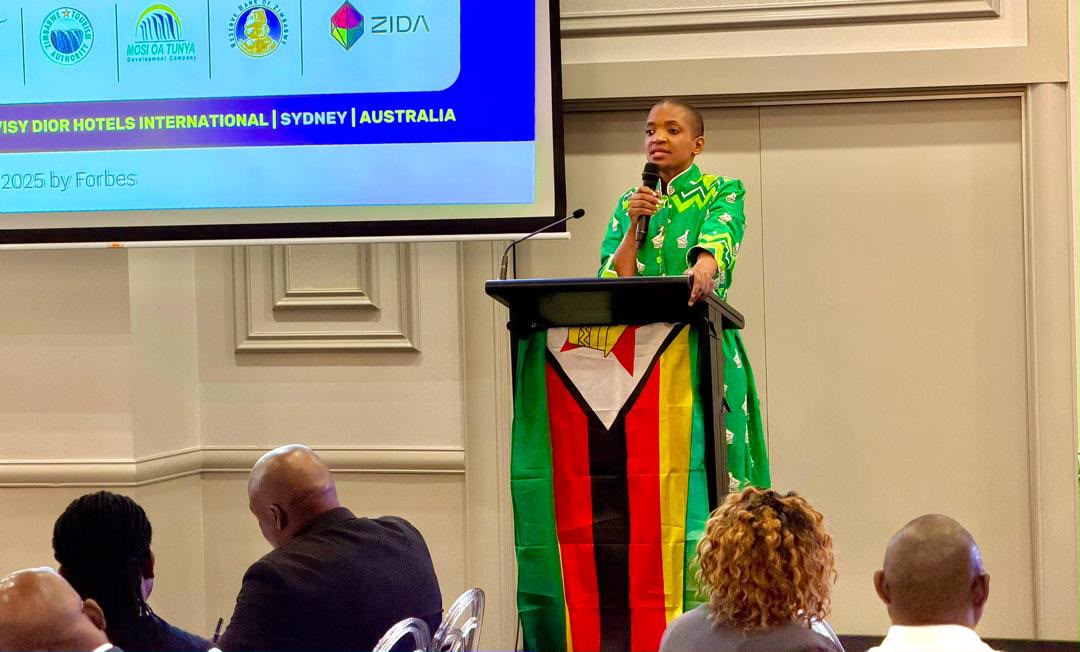
Nqobile Bhebhe Senior Reporter
ZIMBABWE’S diaspora has long been seen mainly as a source of remittances and seasonal visitors to family.
However, under the Second Republic, the government is pursuing a far more ambitious vision, transforming Zimbabweans living abroad into investors capable of injecting millions of dollars into the tourism industry.

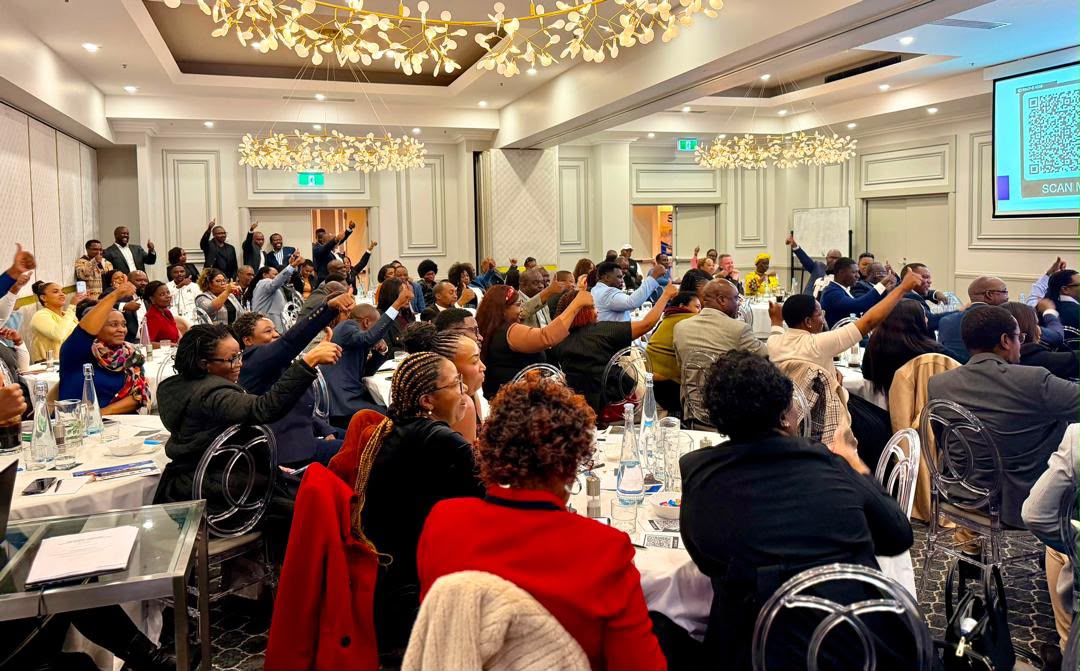
A recent investment roadshow in Australia, the Zimbabwe Diaspora Investment and Business Opportunities Forum, marked a strategic shift by positioning the diaspora as partners in developing hotels, safari lodges, restaurants, conference facilities, cultural attractions and community tourism enterprises to drive Zimbabwe’s next phase of tourism growth.
The renewed investment drive comes as the tourism sector continues to deliver strong economic returns.
Tourism contributed 10 percent to Gross Domestic Product (GDP) in the first quarter of 2026, reinforcing its position as one of Zimbabwe’s leading foreign currency earners alongside mining and agriculture.
Backed by the Second Republic’s investment reforms, improving infrastructure and a whole-of-Government approach, authorities are increasingly presenting tourism not simply as a leisure industry but as an attractive investment asset class.
 ⁷
⁷
The delegation was led by Tourism and Hospitality Industry Minister Barbara Rwodzi and included Zimbabwe’s Ambassador to Australia, Joe Tapera Mhishi, officials from the Zimbabwe Tourism Authority (ZTA), the Mosi-Oa-Tunya Development Company, the Zimbabwe Investment and Development Agency (Zida) and the Reserve Bank of Zimbabwe.
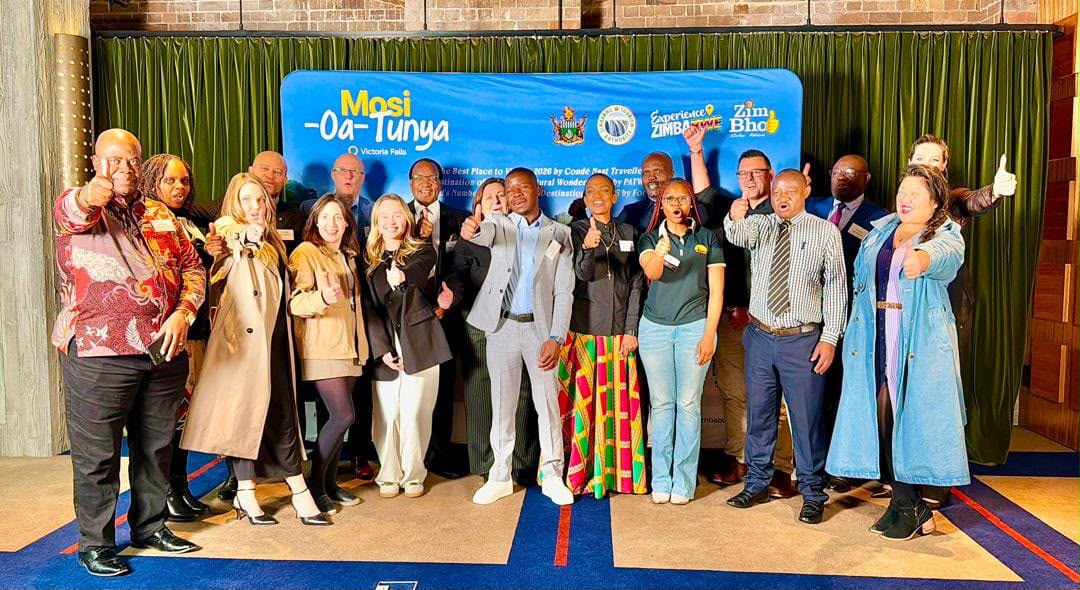
As a collective, they presented Zimbabwe as a heritage-rich destination offering sustainable investment opportunities supported by globally recognised natural attractions, improving connectivity and investor-friendly policies.
Reflecting on the Australian mission, Minister Rwodzi said the visit had achieved its key objective of reconnecting Zimbabweans abroad with investment opportunities back home.
“Number one was to engage the diaspora as the President (Mnangagwa) has it, as a strategy of investment back home and bridging the gap between the population outside the country over the years and the people who are back home.
“The gap between the people in the diaspora, the Zimbabweans who are in the diaspora and our economic activities back home,” she said.
She said tourism remains one of the easiest sectors for diaspora investors to enter because of its flexibility and relatively low capital requirements.
“Tourism does not need much money to start a business back home. Even if you want to start an infrastructure in tourism, you can start with constructing huts in the rural tourism sector. So we are appeasing our colleagues back here in Australia that they can invest back home in various sectors of tourism, and we are very happy that that has been very successful.”
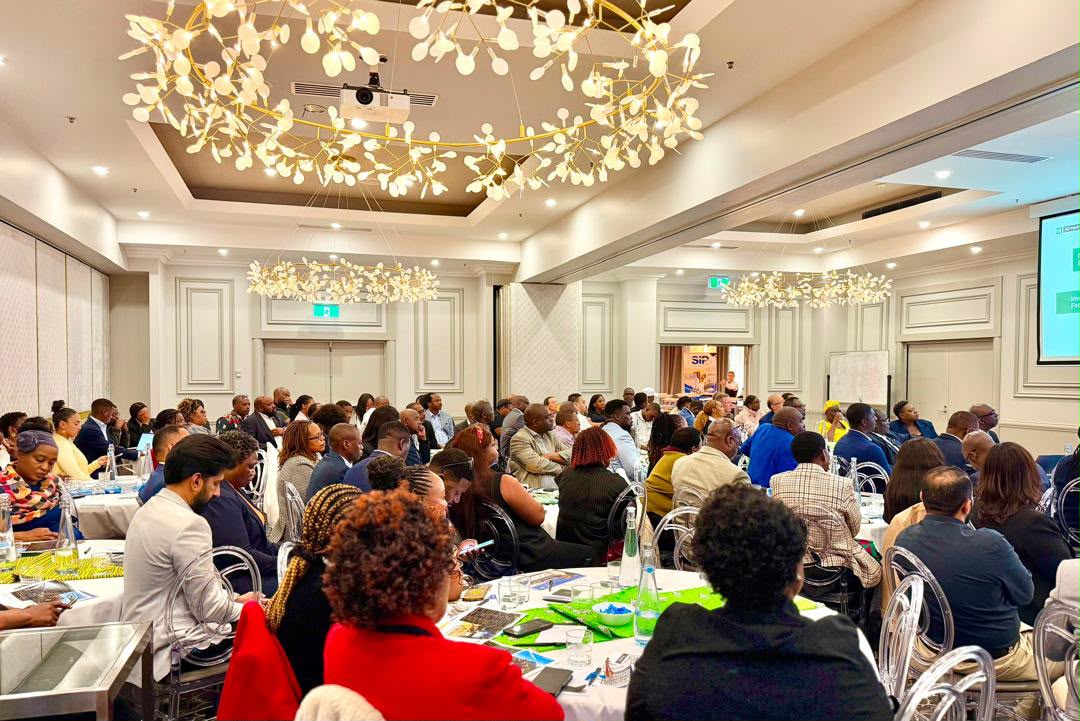
Minister Rwodzi said discussions with Zimbabweans in Australia revealed strong investor appetite, with many already exploring projects in accommodation, hospitality and tourism services.
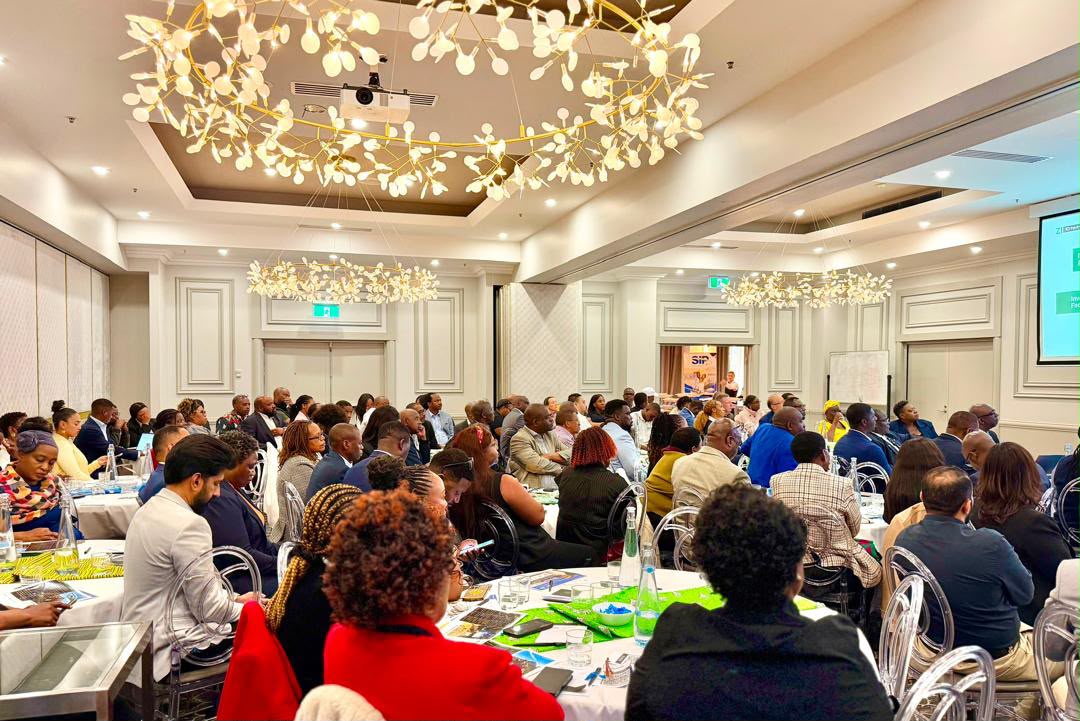
“We had serious conversations with Zimbabweans who are in Melbourne, serious conversations with Zimbabweans who are in Sydney, and a few who have come from other parts like Perth as well as Brisbane, they are serious-to-be investors.
“But again, the exciting news is that we already have Zimbabweans who are in Australia who have gone back home. They have already made their strides in investing back home… it was giving testimonies to others that you can get back your money as you have invested it, your profits can be repatriated.”
The delegation also engaged Australian tour operators to strengthen destination marketing and build new travel partnerships.
“We engaged to tell them the policies that are new, that the President has put in place. Many of them do not know, they are still talking about the economic environment of Zimbabwe before the
Second Republic and we are telling them the story of Zimbabwe, the infrastructure that we have put in place that is enabling tourism to be where it is now in the country. So the exchange of conversations with the private operator is very important.”
The Australian programme is soon to be followed by similar investment engagements in the United States as the Government broadens its outreach to Zimbabweans abroad, many of whom possess capital, international business networks and global market experience capable of accelerating tourism and development.
Unlike traditional destination marketing campaigns that focus solely on attracting visitors, Zimbabwe’s strategy seeks to convert members of the diaspora into long-term investors while leveraging their influence to promote Destination Zimbabwe in their adopted countries.
The approach mirrors successful models adopted by countries such as Rwanda and Ghana, where diaspora investment has become an important driver of tourism and hospitality development.
The timing could hardly be better.
According to the Zimbabwe Tourism Authority’s First Quarter Tourism Performance Report, international tourist arrivals increased by 11 percent to 384 515 during the review period, while tourism receipts rose 14 percent to US$251 million from US$221 million recorded during the same period last year.
“International tourist arrivals increased by 11 percent, from 347 555 in 2025 to 384 515, while tourism receipts grew by 14 percent to US$251 million, up from US$221 million,” reads part of the report.
While Victoria Falls remains Zimbabwe’s flagship attraction, the government is deliberately widening the country’s tourism offering.
Investors are increasingly being encouraged to explore opportunities around Hwange National Park, Great Zimbabwe, Mana Pools, Lake Kariba, the Eastern Highlands, Gonarezhou National Park and Matobo National Park, alongside emerging destinations such as Binga and Masvingo Province, which will host this year’s Sanganai/Hlanganani/Dzimbahwe World Tourism Expo in September.
At the same time, new opportunities are emerging in gastronomy tourism, heritage tourism, wellness tourism, meetings, incentives, conferences and exhibitions (MICE), sports tourism, religious tourism and community-based tourism.
Mr Mthulisi Dube, chief executive officer of a Bulawayo-based tourism marketing agency described Government’s direct engagement with the diaspora as a strategic intervention capable of unlocking investment across the tourism value chain.
“The diaspora represents more than a market for leisure travel. They understand Zimbabwe, have emotional ties to the country and many have the capacity to invest in tourism infrastructure.
Government’s direct engagement with them is a strategic move because it creates confidence while showcasing investment opportunities first-hand,” he said.
“If even a small percentage of Zimbabweans living abroad invest in accommodation facilities, restaurants, tour operations or conference facilities, the impact on employment creation and tourism growth would be significant.”
Ms Nomsa Ndlovu, a cultural tour operator said the initiative complements conventional destination marketing by transforming Zimbabweans abroad into long-term ambassadors for Brand Zimbabwe.
The diaspora impacts their host countries by investing and promoting Zimbabwe through their personal and business networks. This effort not only attracts new visitors but also encourages repeat travel from friends, colleagues, and business partners. The roadshow in Australia was crucial as it targeted high-value markets with travelers who tend to stay longer and spend more, said Ms Ndlovu.
Mr Dube added that Zimbabwe’s tourism assets remain globally competitive, but continued investment will be essential to meet rising international demand.
“Zimbabwe has exceptional natural attractions, but continued investment is required to expand accommodation capacity, upgrade tourism facilities and develop new experiences.
“Diaspora investors can play an important role because they already appreciate the country’s tourism potential while understanding international market expectations,” he said.
“Government’s coordinated approach involving tourism authorities, investment agencies and financial institutions sends a positive message that Zimbabwe is serious about creating an enabling environment for tourism investment.”
The diaspora investment drive is also being reinforced through stronger regional cooperation.
Zimbabwe and South Africa recently reaffirmed their commitment to deepen tourism collaboration following the Sixth Session of the Joint Tourism Technical Committee held in Pretoria, where both countries agreed to strengthen destination marketing, tourism intelligence, product development and cross-border travel facilitation.
As the Government widens its investment promotion drive, the Zimbabwe Tourism Authority is positioning itself as a one-stop investment facilitator, assisting investors to identify bankable projects while facilitating access to approvals, land and investment incentives.
The significance of the diaspora strategy extends well beyond tourism.
It reflects a broader shift in Zimbabwe’s economic diplomacy — one that recognises Zimbabweans living abroad not simply as citizens overseas, but as strategic partners capable of mobilising capital, expertise and global networks to drive national development.
For tourism, the fundamentals are steadily aligning. International arrivals are rising and visitor spending continues to increase.
Added to that, product diversification is opening fresh opportunities beyond traditional safari tourism, while regional cooperation and improved connectivity are expanding Zimbabwe’s reach into international markets.
Industry experts believe that if the government can transform some of the diaspora’s goodwill into lasting investment, Zimbabweans abroad may contribute more to tourism through the destinations they create, businesses they launch, and jobs they generate, thereby enhancing Zimbabwe’s status as a leading tourism investment destination in Africa.