Online Reporter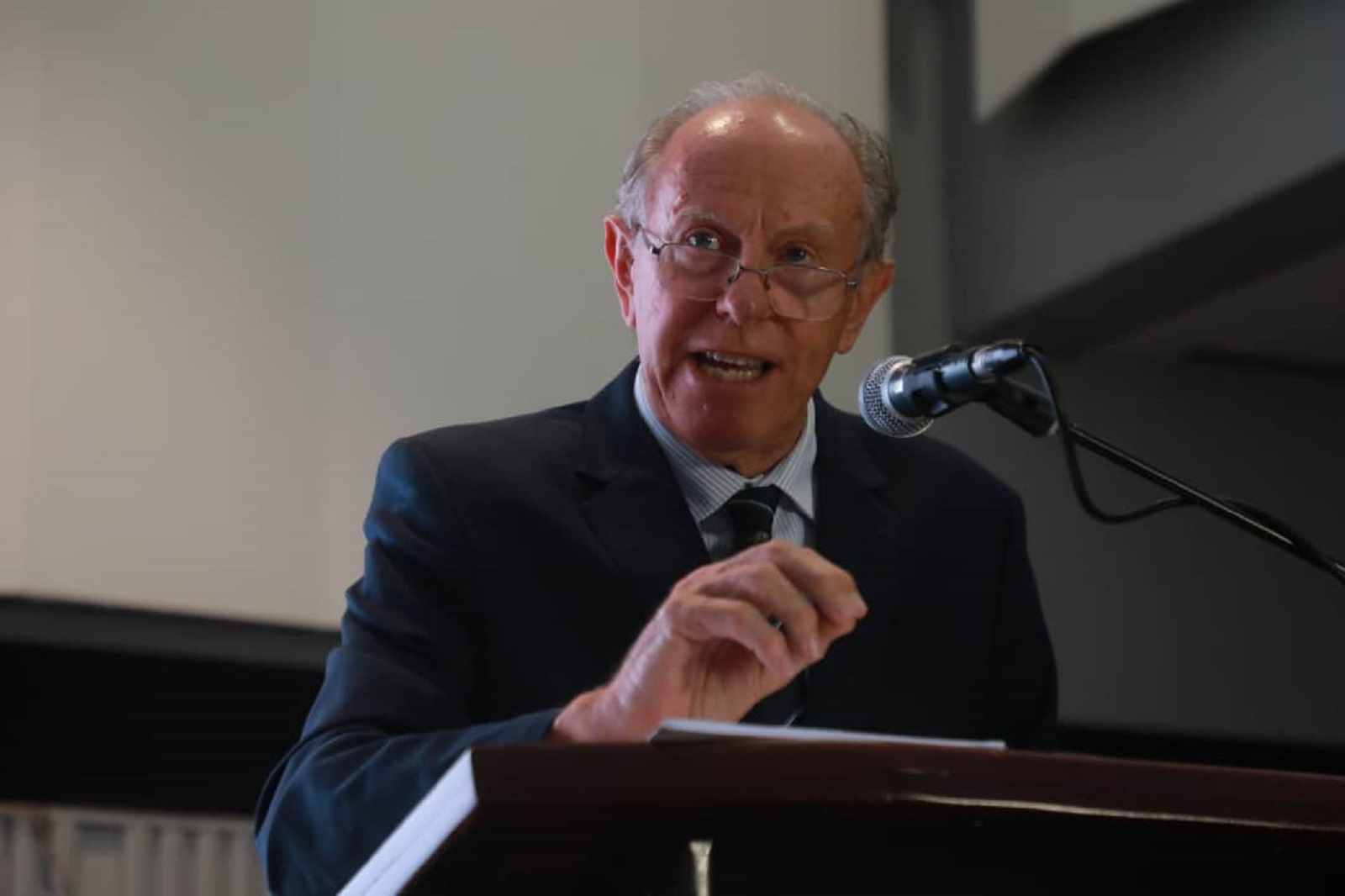
Sikhulekelani Moyo, Chronicle Writer
THE City of Bulawayo is actively pursuing research-led initiatives to tackle its enduring water problems, working closely with academic institutions and researchers in this endeavour.
Bulawayo is contending with persistent water scarcity, a situation made worse by a growing population that has now exceeded the capacity of its aging infrastructure, much of which is over half a century old. The effects of climate change further exacerbate the issue.
Capitalising on the Bulawayo Economic Development Conference (Bedcon2025), currently taking place in the city, local academic institutions have been enlisted to research effective strategies for managing the water crisis.
This collaboration has resulted in over five presentations from various research teams representing local universities at the inaugural event, with a strong emphasis on innovation and intelligent solutions.
In his address, the Mayor of Bulawayo, Councillor David Coltart, stressed that addressing four key challenges — water availability and sanitation, the rule of law, corruption and council administration — is vital for attracting investment to the city.
He voiced his disappointment that the city is failing to provide a dependable water supply to industries, despite the fact that water is available in its reservoirs.
“We need to change our historical approach. As a city, we did not adequately anticipate the current situation, and we cannot continue managing water resources using the same methods we employed in the past 30 to 40 years. A key ingredient for promoting economic growth is the availability of water. Without water, we cannot attract investment.
“Our city faces both challenges and opportunities. We grapple with de-industrialisation, job losses, water scarcity, ageing infrastructure and uneven access to economic opportunities. Yet, we are also blessed with a skilled workforce, a strong entrepreneurial spirit and a legacy of innovation and resilience,” he said.
The Mayor declared that the conference provides the city with a platform to transform challenges into solutions and harness its strengths for inclusive growth.
“This is not just a conference; it is a platform for actionable ideas, a convergence of brilliant minds, and a testament to our shared commitment to building a city where no one is left behind. To our researchers and academics presenting today, your work is the backbone of evidence-based policy-making.
“Your abstracts are not merely academic exercises. They are practical solutions that must inform the council’s strategic plans, private sector investment decisions and community development programmes. I challenge policymakers present today to engage deeply with these findings and commit to implementing actionable recommendations.”
The presentations by researchers underscored that innovation is the city’s primary hope for resolving its water challenges, highlighting the necessity of water recycling, water harvesting, community engagement and smart technologies.
In an interview, Bulawayo Deputy Mayor Edwin Ndlovu said that the conference aims to bring together experts who will contribute to creating an enabling environment for investors. He emphasised that investing in innovative water management strategies is critical, as water availability plays a pivotal role in improving the business environment.
“We aim to acquire new, innovative approaches as a city. The majority of today’s deliberations centred on water and best practices, ensuring we utilise smart technology in water and sewer management.
“The most significant solution proposed by researchers is the adoption of smart technology, a practice now prevalent worldwide, rather than lagging behind with traditional methods.
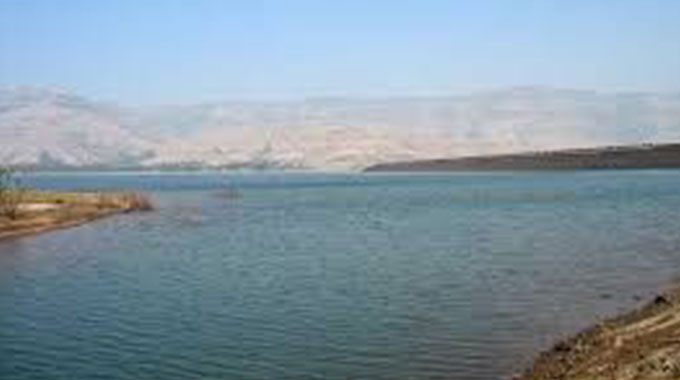
“There is a research gap concerning the utilisation of Khami Dam, and researchers need to conduct more work in this area. We appeal to all surrounding institutions to research these issues, and we also call upon academics to address non-revenue water, sewer reticulation, and water metering,” said Cllr Ndlovu.
He added that the city is also facing challenges with water metering and a billing system that is not up to standard.
Running under the theme “Promoting Inclusive and Equitable Economic Development”, the two-day Bedcon provides a platform to exchange ideas on how to revive the city’s economy.
Other key speakers are scheduled to deliver their addresses today.