Online Reporter
Mbulelo Mpofu in Matobo District, Matabeleland South
FOR decades, Zimbabwe’s creative arts sector has been treated as a vehicle for passive entertainment – a spectacle to lift spirits but rarely to balance books. However, a policy shift by the Bulawayo City Council aims to change that by transforming raw heritage into a structured, self-sustaining, “creative economy.”
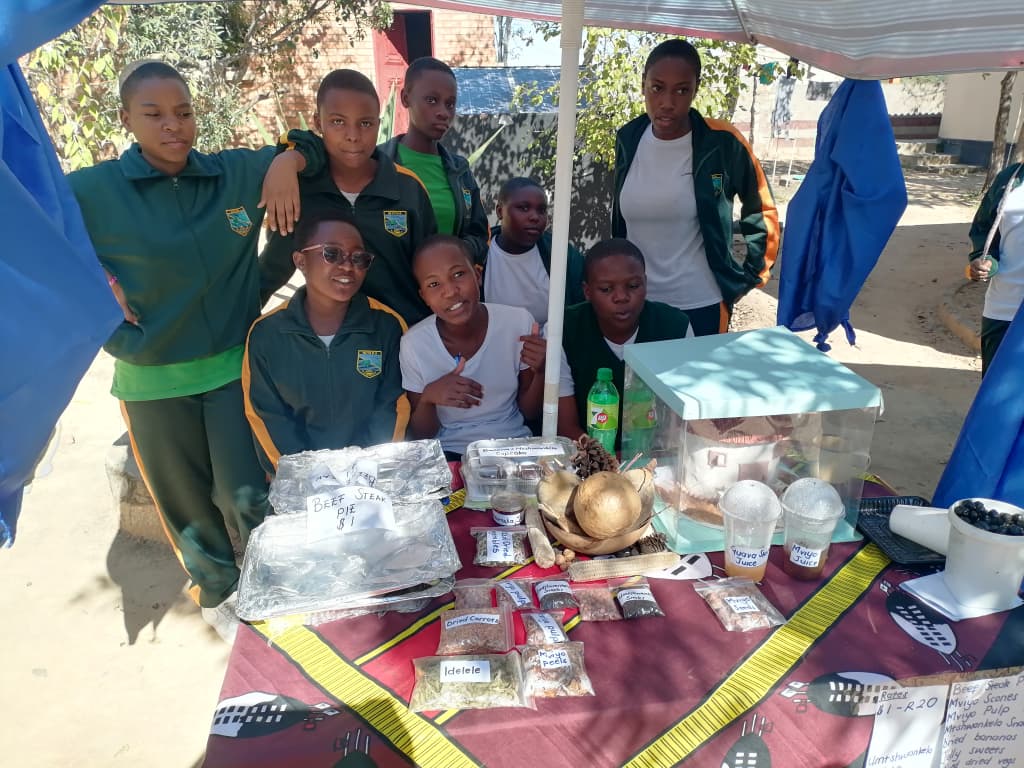
Speaking at the Amagugu Heritage Expo over the weekend, Acting Mayor Councillor Dumisani Netha, standing in for Bulawayo Mayor Councillor David Coltart, challenged artistes and cultural practitioners to look past the applause and focus squarely on commercial sustainability.
“When we converge on platforms like this, we do not just celebrate culture; we reflect on how we can monetize and commercialize cultural products. We deliberately host the Bulawayo Arts Festival because we see the creative sector as a powerhouse worth celebrating,” Cllr Netha told delegates.
Cllr Netha said to prove that this is not mere political rhetoric, the City of Bulawayo has taken the unique step of institutionalising creative governance. The city has established a dedicated Arts, Culture, and Heritage Office, housed directly under the local authority’s Housing and Community Services department.
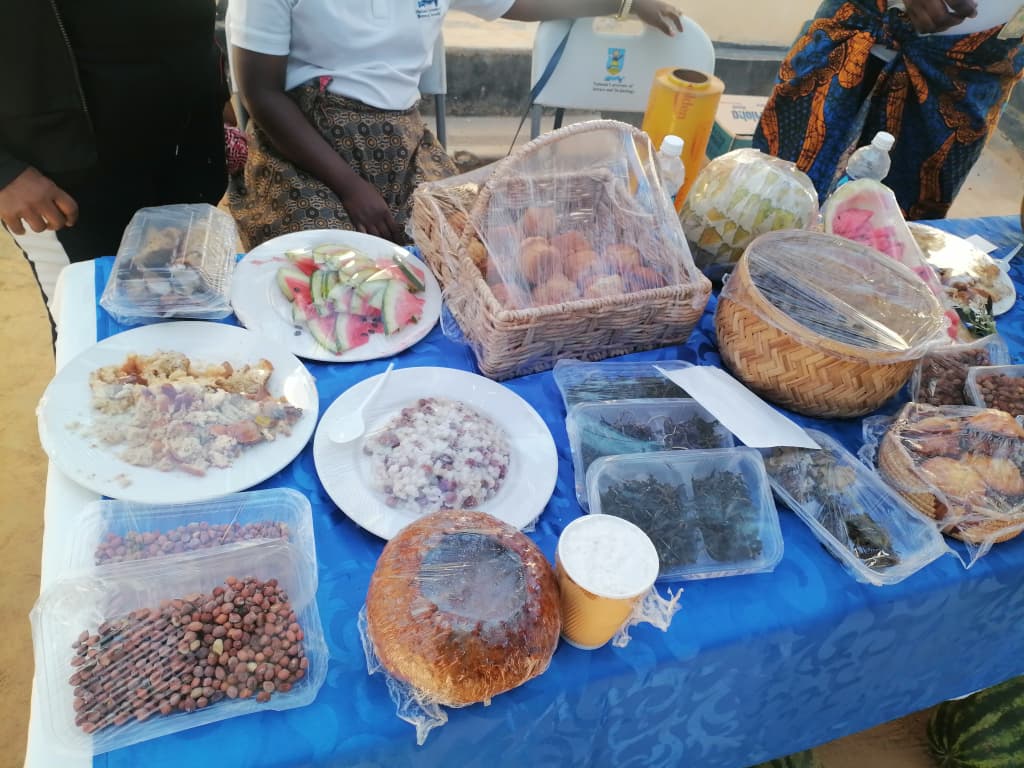
The office functions as a bridge between the bureaucratic machinery of the city and local artists, simplifying the logistics of hosting festivals, safeguarding cultural intellectual property, and identifying export markets for traditional crafts, foods, and performances. Cllr Netha urged all local practitioners to actively engage with the office to address structural challenges facing the industry.

The push for monetisation coincides with Zimbabwe’s National Culture Month, which was recently launched in Bulawayo by President Dr. Emmerson Mnangagwa. The national spotlight has vindicated Bulawayo’s long-held belief that its distinct cultural tapestry is its most valuable asset.
By creating structured events like the upcoming Bulawayo Arts Festival (commencing June 1st), the city aims to draw corporate stakeholders and international buyers into the local creative ecosystem.
Local authorities believe that through public-private partnerships, traditional culinary arts, design, and theatrical storytelling can be converted into tangible jobs for the city’s youth, ultimately driving the city’s broader economic recovery.
– Follow on X @MbuleloMpofu


 derick.khumalo