Chronicle Editor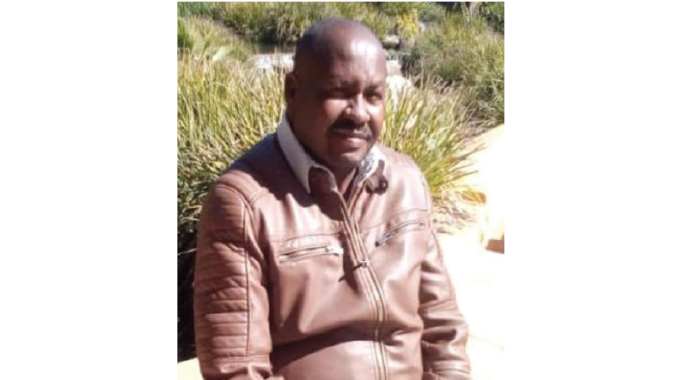
Sukulwenkosi Dube-Matutu, Chronicle Reporter
WHEN Bulilima Rural District Council Chief Executive Officer, Mr John Brown Ncube assumed office in 2012, there were only seven clinics in the area but by mid next year there will be about 40.
Mr Ncube received a commendation award from President Mnangagwa for outstanding work in development projects within his area during Heroes Day commemorations last week.
Since he assumed office, Bulilima has recorded significant development mainly in the health and education sectors.
The district has 20 clinics and eight schools that are under construction with five of the schools set to be operational next year. Six other clinics are at planning stage.
Mr Ncube said realising that the council did not have funds to finance development projects, it passed a resolution in 2012 to allow communities to spearhead development projects within their areas.
He said this initiative has seen communities taking a lead in coming up with project ideas and mobilising resources.
Mr Ncube said the projects were being implemented as a result of partnerships between locals, diasporans, organisations and council.
“In 2012 we conducted a participatory planning training where we trained stakeholders from district level down to village level. We wanted people to identify needs in their areas and come up with initiatives for community projects.
This was after we had passed a resolution as a council which allowed communities to initiate their own projects and not just wait for Government, council or donors. The first project which was constructed under this initiative was Tokwana Clinic which was commissioned in 2016 by the then Minister of Health and Child Care, Dr David Parirenyatwa,” he said.
“The community of Tokwana area is the one which approached us and said they wanted to start a clinic project.
Under the project diasporans, the community, locals that have big companies came together and mobilised resources to construct the clinic. This partnership saw the construction of a state-of-the-art clinic that was constructed timeously.”
Mr Ncube said thereafter the community took a leading role in identifying potential development projects in their areas. He said the Zimbabwe Defence Forces assisted in some of the projects by providing manpower.
He said out of 20 clinics that were under construction in the district eight were almost complete. Mr Ncube said council had allocated devolution funds towards some of the projects. He said while communities came up with project initiatives, council assists them to secure investors to assist with funding.
Mr Ncube said under the education sector, council had engaged various partners who provided funding to upgrade grass-thatched huts at schools in resettlement areas.
“There were schools in resettlement areas that had grass thatched huts and we upgraded them working with various partners. These schools include Peace and Good Hope and Fairview Primary School in Figtree. We have also constructed a number of schools which have helped reduce distances walked by learners to schools. For example, there is Ntambana Primary School which helped ease challenges for learners that had to go to a school in Tsholotsho,” he said.
“We also opened Mazwaligwe Secondary School, Himago Secondary School, Ndiweni Primary School, Tjemahale Secondary School among others. We also managed to kick-start construction of Zompata Primary School which was planned in the 1980s.”
Mr Ncube said there was a challenge in resettlement areas because of the settlement pattern. He said people in resettlement areas still have to walk long distances to clinics and schools.
“When we started in 2012, our target for clinics was to meet Government’s standard of 10 kilometres and for now we have made significant progress in this regard. We are now working on meeting the World Health Organisation standards which say clinics should be within a radius of five kilometres. When I assumed office in 2012 council had seven clinics and at the pace we are moving by mid next year we will have about 40 clinics including those under construction and those completed,” he said.
“I have a passion for rural development and when I assumed this office my main goal was to bring services close to people as much as possible and ensure development.”
Mr Ncube said there were also some agriculture, infrastructure development and road maintenance projects in the district.
“We managed to bring on board an investor for rehabilitation and expansion of Moza Irrigation which is a major agriculture project. We also have partnered with an investor on rehabilitation of Mabhongwane Dam and this project will also lead to establishment of Mabhongwane Irrigation Scheme.
“We have also tarred some roads and we are working on a sewer reticulation system in Figtree and from there we want to move to Masendu and Madlambuzi areas. Plans are underway to engage Government and the diasporans on tarring of our main roads. It’s of no use to tar council roads and leave State roads in a dilapidated state because this affects service delivery to the community,” he said.
Mr Ncube said he had held several other positions within local Government where he spearheaded various development initiatives. He was once administration officer for Insiza District, Assistant District Administrator for Insiza District, Assistant District Administrator for Beitbridge District and acting Provincial Administrator for Matabeleland South Province. — @DubeMatutu



 Online Reporter