Yvonne Buzwane, [email protected]
EFFORTS to protect children in Bulilima District are gaining momentum, as communities receive fresh training aimed at making local environments safer for young people.
The Department of Social Development (DSD) has rolled out refresher training for Ward-Based Child Protection Committees, focusing on strengthening awareness and improving how communities respond to challenges affecting children.
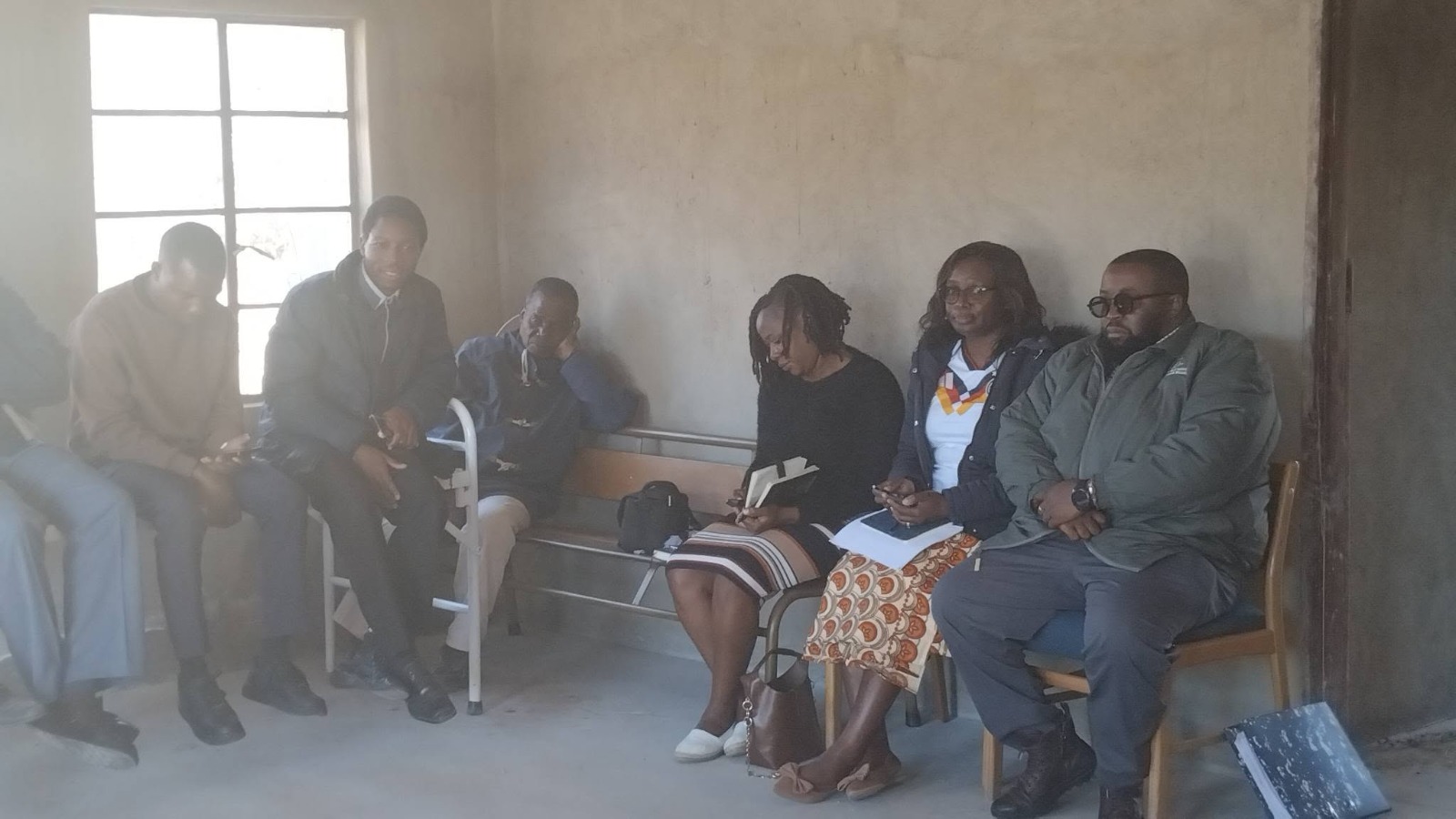
These committees, made up of local leaders and community members, play a key role in identifying and handling child protection issues at village level. The training is designed to give them updated knowledge and improve coordination among those involved in child welfare.
Officials say the goal is simple — to ensure that every child in Bulilima grows up in a safe and supportive environment.
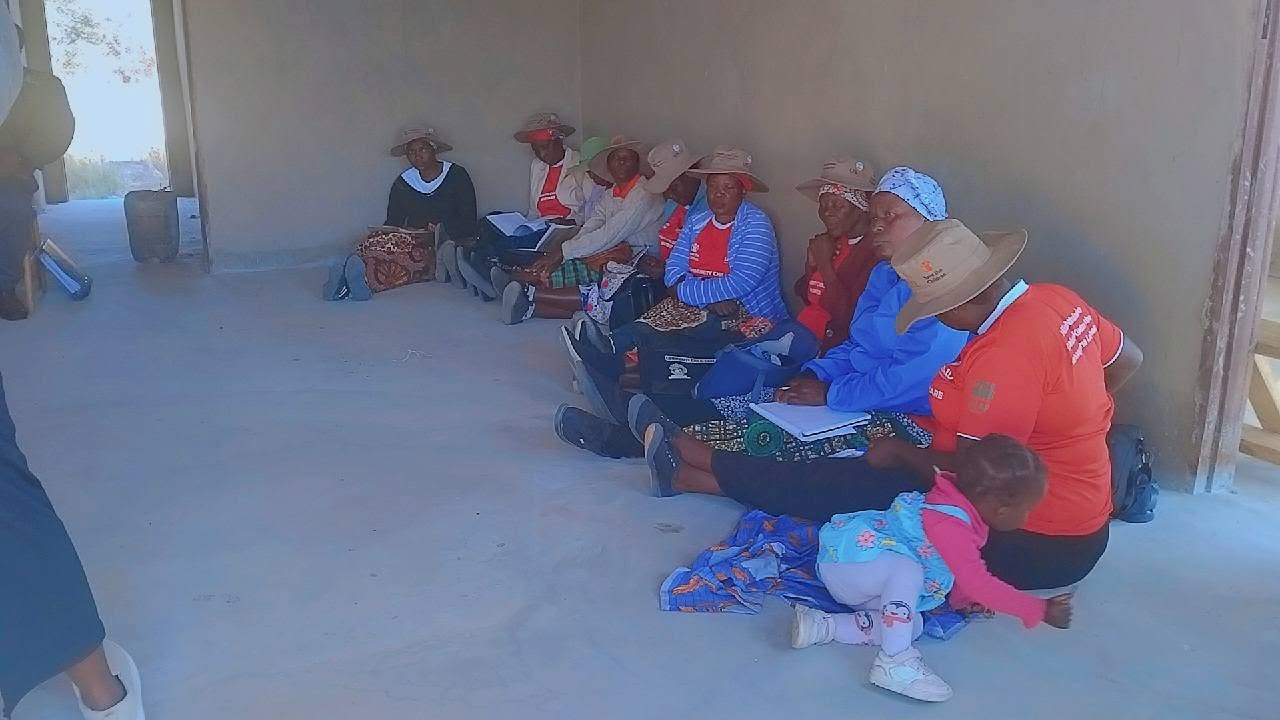
Speaking during one of the training sessions held at Tokwana Village in Nyele, Bulilima District Social
Development Officer Mr Simplicio Ngwenya stressed the importance of proper child documentation.
He said having a birth certificate is not just a formality, but a basic right for every child in Zimbabwe.
A birth certificate gives a child a legal identity, including their name and nationality, in line with the Constitution and the Births and Deaths Registration Act. Without it, many children struggle to access essential services such as education and healthcare.
“Children without birth certificates or IDs are more at risk of abuse and exploitation. They can also miss out on school and other services,” said Mr Ngwenya while addressing the community at Tokwana Village in Nyele area.
Beyond documentation, the training also covered issues linked to relationships involving young people.
Mr Ngwenya reminded the community about the law on age of consent, urging adults to be responsible.
He warned against entering into relationships with minors and made it clear that ignorance of a young person’s age is not a valid excuse.
“While we understand issues of relationships among young people, saying ‘I did not know the age’ is not an excuse. People must take responsibility and ask for identification if they are not sure,” Mr Ngwenya said.
He also issued a strong warning to traditional leaders and community members against handling child sexual abuse cases at home instead of reporting them.
“Child sexual abuse is a criminal case and must be reported to the police. Leaders who try to solve these cases on their own can also get into trouble when the matter comes out later,” stressed Mr Ngwenya.
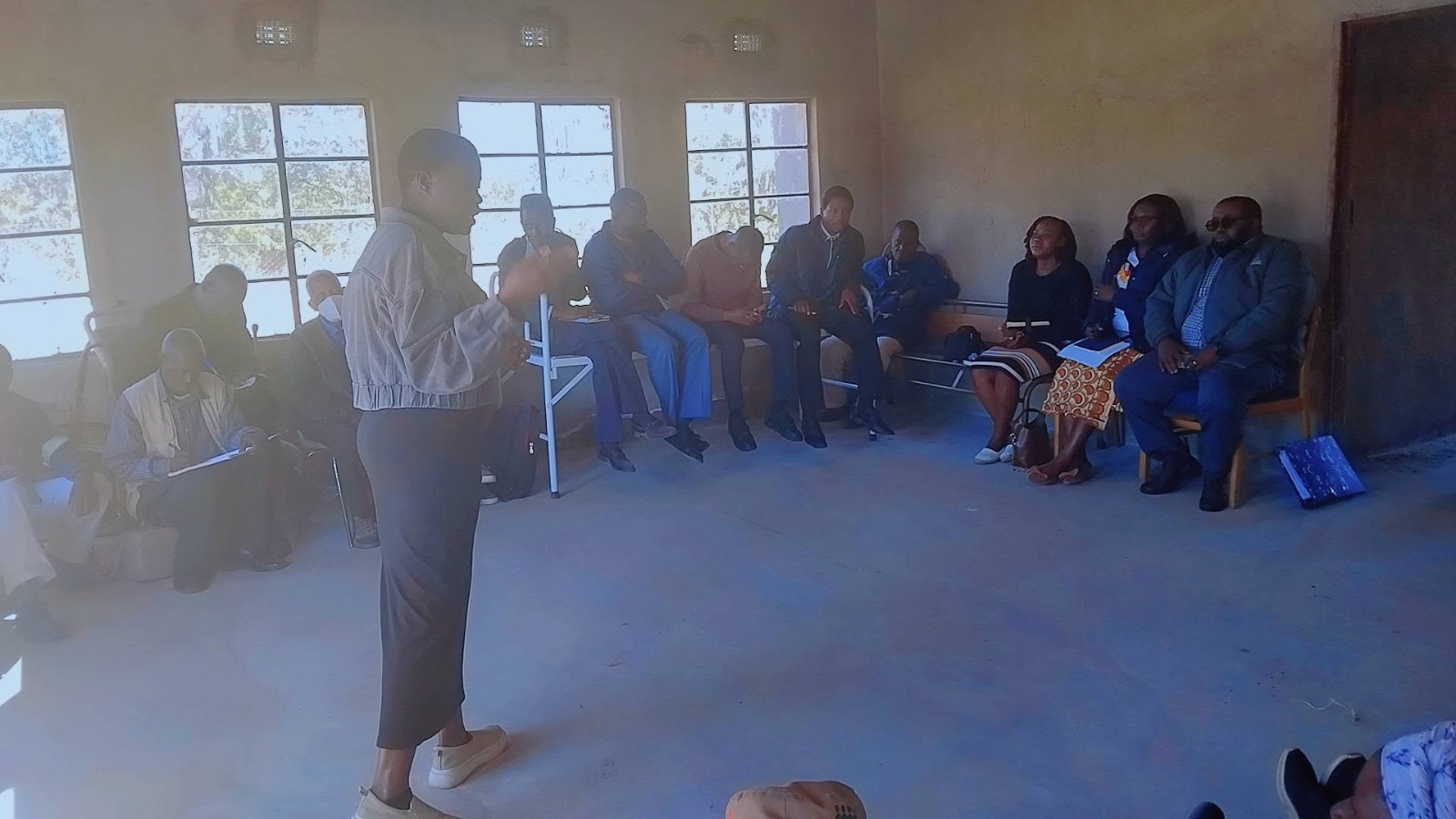
The training session, attended by this publication, brought together committee members, village heads and other stakeholders to openly discuss the challenges facing children in their communities.
Participants were taken through a wide range of issues, including sexual abuse, corporal punishment, child trafficking, access to birth certificates and IDs, and the laws around the age of consent.
One of the areas that sparked the most discussion was corporal punishment. Many parents said they still believe beating children is the best way to discipline them.
Facilitators, however, explained what the law says about children’s rights and the need to use safer and more constructive ways of guiding children. They highlighted the role of parents and guardians in protecting children, starting from the home and extending to the wider community.
Child trafficking was another topic that raised concern among participants. Community members were warned about the dangers of sending children across borders without proper documents or leaving them in the care of strangers.
They were urged to stay alert and quickly report any suspicious movement of children to the authorities.
The issue of child marriage also came up strongly during the discussions, with participants expressing concern over cases that continue to surface in some communities.
There was agreement that protecting children is a shared responsibility and that communities must work
together to address such challenges.
Ward-Based Child Protection Committees were highlighted as an important structure in this effort. Because they operate at community level, they are often the first to notice when a child is at risk.
Traditional leaders, especially village heads, are central to these committees. Their close connection to families in their areas places them in a good position to respond quickly when problems arise.
The training is expected to help these committees carry out their work more effectively by giving them the knowledge and confidence to deal with sensitive issues.
Organisers believe that building strong systems at community level is key to protecting children, especially in rural areas where access to services may be limited.
By equipping local leaders and residents with the right information, the Department of Social
Development hopes to create communities that are better prepared to prevent abuse, support vulnerable children and act when problems occur.
As discussions continue across the district, one message remains clear — protecting children is not just the duty of authorities, but of everyone in the community.
With better awareness, stronger coordination and active community involvement, Bulilima is taking important steps towards creating a safer future for its children.