Online Reporter
Ronald Mpofu and Andiswa Moyo
A Bulilima farmer has urged Zimbabweans returning home from South Africa and Botswana to consider horticulture as a practical way of rebuilding their lives, saying agriculture offers a reliable path to income generation and community reintegration.
His call comes as some Zimbabweans return home following anti-migrant protests and tightening immigration conditions in neighbouring countries, leaving many searching for new ways to support their families.
For Mr Siwomiso Dube of Nompemano Village, the answer lies in the soil.
From what started as a modest backyard project, Mr Dube has built a thriving farming enterprise that combines poultry and crop production.
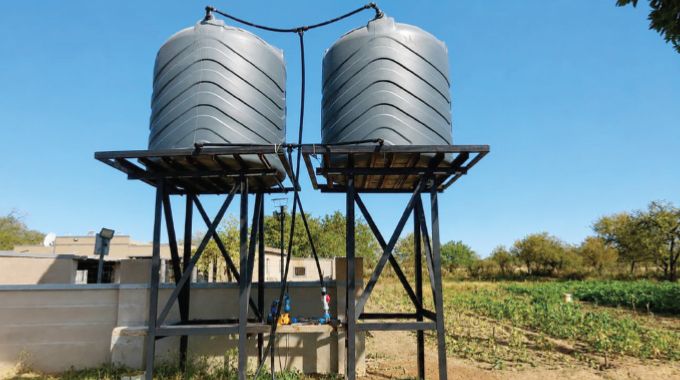
With the help of a borehole that provides a reliable water supply, he has transformed his homestead into a productive agricultural venture and believes others can do the same.
In an interview, Mr Dube said returnees bringing farming knowledge and experience from outside the country should consider investing their skills in local agriculture.
“My wife is running a poultry project at the farm. I look forward to expanding and adding different kinds of produce. I therefore welcome returnees with farming skills. Our farm is along Ndolwane Road and is popularly known as Green Nation,” said Mr Dube.
Having witnessed first-hand how farming can improve livelihoods, Mr Dube said agriculture had given his family stability and new opportunities.
“Agriculture has changed my life. With determination, access to water and hard work, anyone can produce food and earn an income.
“We have land, we have sunshine, and we have opportunities here in Bulilima. I am urging returnees to consider horticulture.
“Vegetables and fruits have a ready market and can help families settle quickly while earning a living.”
His farm stands as an example of how innovation, commitment and effective use of available resources can create sustainable livelihoods, even in a district often affected by dry weather conditions.
Mr Dube’s success story comes at a time when many communities are looking for ways to absorb returning migrants and help them establish new sources of income.
He believes agriculture, particularly horticulture, can play a key role in that process.
The communal farmer said he was already planning the next phase of expansion, which includes installing pivot sprinklers to support large-scale production.
“Fellow residents and returning Zimbabweans must not lose hope; instead, they should consider investing in farming. There are many opportunities for them in the horticulture sector,” said Mr Dube.
Local authorities share the view that agriculture can help drive economic recovery and improve household incomes.
An official from Bulilima Rural District Council said the local authority was committed to working with Government and development partners to support both returnees and local residents through agricultural development initiatives.
“This includes promoting agriculture, improving access to water infrastructure, supporting irrigation development and encouraging income-generating projects,” said the official.
“Agriculture remains one of the district’s strongest economic pillars and has the potential to create employment, improve household incomes and strengthen food security.”
Across Matabeleland South Province, a growing number of communal farmers are now adopting drip irrigation systems to reduce the impact of water shortages and climate change while increasing productivity in horticultural projects.
Drip irrigation delivers water directly to the root zone of crops through a controlled system, helping farmers conserve both water and nutrients while reducing losses caused by evaporation.
The technology is becoming increasingly important as farmers search for sustainable methods of production in the face of recurring droughts and declining water resources.
In the past, many farmers depended on canals, sprinklers and flood irrigation systems. However, concerns over shrinking water sources and the effects of climate change have pushed many producers to embrace more efficient irrigation methods.
For Mr Dube, the message is simple: opportunities still exist in rural communities for those prepared to work the land.
At Green Nation Farm, that belief is already bearing fruit.