


 admin
admin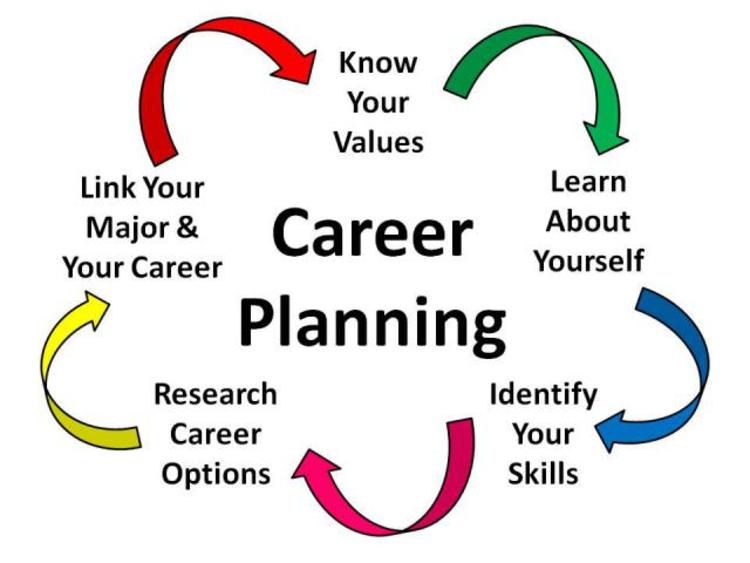

Pamela Makombeshamu
Most of us have never stopped to think how much time we spend trying to understand the world around us before we make attempts to understand ourselves?
When it comes to career decisions, often the focus is external and this approach can cause a lot of confusion. I call this the “cafeteria approach” to making career decisions which involves wanting to know what is available ‘out there’ and picking one’s choice.
Listening to individuals who are experiencing dissatisfaction with their jobs, one common underlying theme is a misalignment between a person’s job and their values. As Deborah Day would say, “To feel more fulfilled your actions and activities need to be in alignment with what you deem important.”
Defining values
According to the Business Dictionary website, values are “Important and lasting beliefs or ideals shared by the members of a culture about what is good or bad and desirable or undesirable. Values have major influence on a person’s behaviour and attitude and serve as broad guidelines in all situations. Some common business values are fairness, innovation and community involvement”.
In simpler terms a value refers to one’s judgement of what is important in life.
It is important to “own who you are” and accept your values without fear of judgement. For example, financial reward can be a key value for you and this is alright as long as you are planning to pursue your goals through legal or ethical means.
Discovering your values
One of the simplest ways to discover your values is to start by asking people close to you such as friends or family. Friends and family listen to the things you say and they have observed your actions over a period of time. We do not talk about issues or aspects of life with the same level of conviction.
So, think about conversations that you have had, what are the themes in those messages? What do you value?
Even the Zimbabwean National Code of Corporate Governance has culture, values, ethics and development as a bundled focus as one of the highlights of the code. This goes to emphasise that even within the corporate world, value systems and ethics are instrumental in affecting the overall economic decisions we make.
Another way to discover your values is to undertake a Values Assessment with a Career Consultant. A Career Values Assessment helps to identify and prioritise your values. It also presents an opportunity to identify your “non- negotiable” values and the values that you “do not care less” about.
Discussing your values with a career consultant can help you to focus and choose work environments and positions that will be the best fit for you.
In my work with individuals I find that values provide the basis for careers goals. For example, an individual who strongly desires freedom and autonomy and has that as their long-term goal in a field of their passion, will have the choice of starting off in a career, gaining skills and experience with a long term goal of self-employment and ultimately working independently.
Examples of pathways with potential for self-employment in the long term are: accountants and bookkeepers, architects, electricians, medical professionals, development aid workers and management consultants.
Know your core values
Are you completing your secondary or tertiary education this year? Have you stopped to think what you consider to be important in life?
Is it financial reward, helping vulnerable individuals, advocating on behalf of others, adventure?
Knowing your values can help you in many ways. Sometimes we don’t know what we want, but we know what we do not want.
Values are important because the more you shape your life in alignment with your values, the better your quality of life and the more motivated you will be to pursue your goals.
Providing direction in your career and personal life will help you make important decisions.
When you align your life with your values, you can cut through the swirl of confusion and make decisions that feel right to you. You feel happier. You save time because you don’t worry as much or second-guess yourself.
For example, you may choose a legal career and when you know your values, you can decide which aspect of law is compatible with your values: commercial, criminal, human rights or family law.
A smart career decision is the outcome of a search process which involves filtering through information, starting from your values, interests, abilities and skills.
Employment market trends are also a metric to be considered for those who are bent on heading into the blue or white collar sectors.
Values are the foundation of your career decisions; they shape your choice in terms of what you choose to do and how you choose to do it.
More importantly, knowing your values and having the opportunity to pursue a career that aligns with your values provides purpose, meaning; and motivation which are essential for career success.
Pamela Makombeshamu is founder/principal at SmartChoice Careers, a Careers Consultancy in Harare. If you require more information regarding this article please feel free to contact her via email at [email protected]. This article was compiled in collaboration with the Young Zimbabweans Business Platform (www.yzbp.org) and the Africa Learning Development Network (www.aldn.org)



 derick.khumalo
 Online Reporter