tawandamusarurwa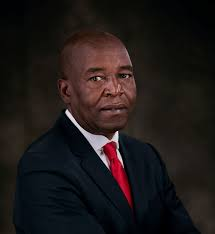
Business Reporter
Zimbabwe’s businesses are confident of a turnaround in the second half of the year, largely driven by an improved operating environment stemming from a cocktail of measures introduced by the Government in May and June 2023.
This comes as the economy continues to show resilience following the significant shocks that arose from the Russia-Ukraine conflict, erratic rainfall, the Covid-19 pandemic, the liquidity crunch and the high cost of borrowing.
Owing to the runaway inflation and fast deterioration of the value of the local currency against major currencies, the monetary authorities introduced measures to stabilise the foreign exchange market and lower inflation.
The efforts have culminated in the current stability of the exchange rate and falling inflation.
The situation has also been supported by improved power supply after Hwange Units 7 and 8 came on board.
Confederation of Zimbabwe Industries (CZI) president Mr Kurai Matsheza said, while the cost of production remains high, huge demand is keeping industry alive.
“If there is low demand, there will be no money, aiding another challenging dimension to industry. But for now, demand is there,” he said.
He said improved power will lift companies’ burden of using expensive alternative sources.
“Issues of electricity were previously among the biggest challenges drawing us back,” said Mr Matsheza.
The current stability in the economy is attributed to the market’s response to a series of policy interventions put in place by the fiscal and monetary authorities to mop up excess local currency liquidity.
The strategic interventions introduced by the authorities include a directive for all import duties to be paid in the Zimdollar, except for luxury items; the transfer of external payment obligations from the Reserve Bank of Zimbabwe (RBZ) to the Treasury; and the introduction of the wholesale foreign currency auction for banks.
Further, the Treasury has directed that all Government institutions collect fees and charges in the local currency and that 50 percent of corporate tax payments be made in Zimbabwe dollars, while the central bank raised its bank policy rate from 140 percent to 150 percent.
In its currency and inflation update, CZI said in July 2023, the full impact of these measures began to be felt in the economy through currency appreciation.
“The Zimbabwe dollar is now appreciating, both on the official market and the parallel market, and what is of paramount importance now is exchange rate stability rooted in the convergence of the parallel market and the official rates,” it said.
While the parallel market premium was still high at about 32 percent in July 2023, the stability of the exchange rate will ensure the gains that have been made so far will not be wiped away.
“The impact of the measures implemented by the Government has trickled down the whole economy, and they have managed to halt the free fall of the local currency, which was fuelling inflation,” reads the CZI update.
According to CZI, Zimbabwe was officially in a hyperinflation environment, with the June 2023 blended month-on-month inflation recorded at 74,5 percent, but the measures managed to completely reverse the trend.
“In July 2023, Zimbabwe was now in deflation, with inflation recorded at -15,3 percent, shedding 89,8 percentage points from the June inflation rate.
“This is a remarkable turn of events, as it means that in the month of July 2023, prices declined and the purchasing power of consumers increased,” CZI said.
Economists contend that the sustained strengthening of the exchange rate and prevailing stability will require commitment by the authorities while, at the same time, maintaining a balance to ensure the market does not falter.
Economist Dr Prosper Chitambara said the ability to sustain the current stability depends on the authority’s willingness and ability to see through the reforms that are critical to ensuring macroeconomic stability and sustainability.
“That is to say, monetary reforms have to continue; fiscal reforms are also important; and other institutional reforms. If we are able to sustain that, we will be able to sustain the trend,” he said.
Mr Matsheza, in the 2022 manufacturing sector survey report, said despite all the economic hardships, the manufacturing sector remained resilient, as shown by the new and improved products on the market due to increased technology and upgrades by the manufacturing firms.
He said the manufacturing companies invested US$101 million in 2022 to increase production, and the investments to expand capacity were aided by the availability of USD loans at banks and increased US dollar sales by firms.



 Online Reporter