Chronicle Editor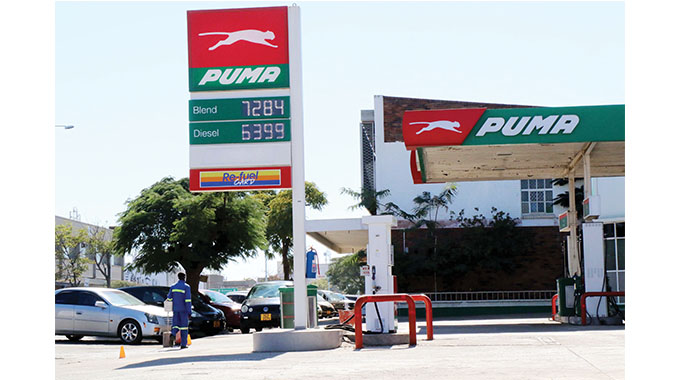
Oliver Kazunga/ Andile Tshuma, Chronicle Reporters
BUSINESS leaders yesterday endorsed the decision to peg the price of fuel based on the prevailing exchange rate saying the new pricing system will help curb arbitrage opportunities.
They, however, pointed out that the move will push up the cost of other products and services and further suffocate ordinary consumers. The development demands urgent adjustment of wages and salaries to enhance purchasing power as the existing salaries have been eroded by inflation.
Before the introduction of the weekly Foreign Currency Auction Trading System introduced by the Reserve Bank of Zimbabwe (RBZ) on Tuesday, the official exchange rate was fixed at US$1: ZWL $25 while the parallel market rate was as high as US$1: ZWL$90.
The Zimbabwe Energy Regulatory Authority (Zera) yesterday announced a new fuel pricing structure which is in line with the prevailing exchange rate which saw price of petrol increasing by 147 percent and diesel by 152 percent.
The new pump price is now $71,62 a litre for petrol and diesel is now selling for $62,77 a litre.
Association for Business in Zimbabwe (Abuz) chief executive officer Mr Victor Nyoni said their view was that the only sustainable pricing system was the one that reflects market forces.
“So, yes prices will go up but if this reflects reality, so be it. Abuz has always been clear that fixing the exchange rate was wrong as it created unnecessary arbitrage in the economy,” he said.
“Subsidy in the fuel sector had become a breeding ground for corruption. So, let’s follow the market forces.”

He said Government should find a way of protecting the vulnerable in society without necessarily interfering with the normal business.
“Definitely purchasing power must improve to ensure consumers afford the new prices being pushed up by aligning prices to prevailing exchange rate. Salaries must infact match the new reality,” said Mr Nyoni, adding that as businesses they were happy to pay market linked wages.
He said economic policies must reflect the reality on the ground.
The country is grappling with fuel shortages and because of the fixed exchange rate, some unscrupulous businesspersons and individuals were taking advantage of the arbitrage opportunities to profiteer by selling the fuel on the black market.
Economic commentator, Mr George Nhepera, also welcomed the new fuel pricing model.
“The new prices are reflective of the prevailing exchange rate determined by the foreign currency auction system,” he said.
Confederation of Zimbabwe Industries (CZI) national vice president, Mr Walter Chigwada, echoed similar sentiments but said the real impact of the fuel price increase would start to be felt in the next few days.
“The impact is going to be seen in the next few days and when prices realign like that, fuel can become a major cost driver,” he said.
Mr Chigwada said the pricing distortions that were as a result of wrong fuel pricing will now be removed.
Asked about industry’s capacity to increase salaries in response to increases in prices of commodities to be triggered by fuel price adjustment, Mr Chigwada said: “Already companies are under a lot of pressure, you know we are an agro-based economy and we had drought last season and now Covid-19. We are therefore still trying to get back on our feet and as such it is a struggle for many companies.”
He said industry still remains optimistic that they will come out of the prevailing challenges. Meanwhile, motorists who spoke to Chronicle at Nketa 6 Service Station expressed dismay over the latest fuel price adjustment.
“We really don’t know how Government is trying to sort out this. Increasing fuel price by such margins is really shocking because right now salaries are way below the poverty datum line,” said a motorist, who refused to be named.
Mr Watson Charewa, a motorist from Bulawayo’s Emganwini suburb said he was afraid that he would no longer be able to drive to work following the latest increase.
“This price increase was unexpected as we are coming from yet another price increase just recently. It was announced that civil servants are getting a 50 percent salary increase, and then now we are having a fuel price increase of 150 percent. The mathematics are not making sense. The promised salary is yet to come but unfortunately it has been overtaken by this fuel price increase,” said Mr Charewa.
Another motorist, Mr Justin Richman said he had been paid by a local pharmaceutical company to ferry its staff to work on Monday but was yet to buy fuel.
“This means a straight loss for me as I cannnot ask for a top up following the price increase,” said Mr Richman.
A supervisor at a Puma Service Station in Mpopoma suburb, Ms Murai Zhou said although fuel has gone up by a big margin, motorists continue to buy the commodity.
“The demand for fuel is still high despite the price increease and this is probably because motorists had gone for a long period without the fuel”, he said. — @andile_tshuma@okazunga



 Online Reporter