dyton mupawaenda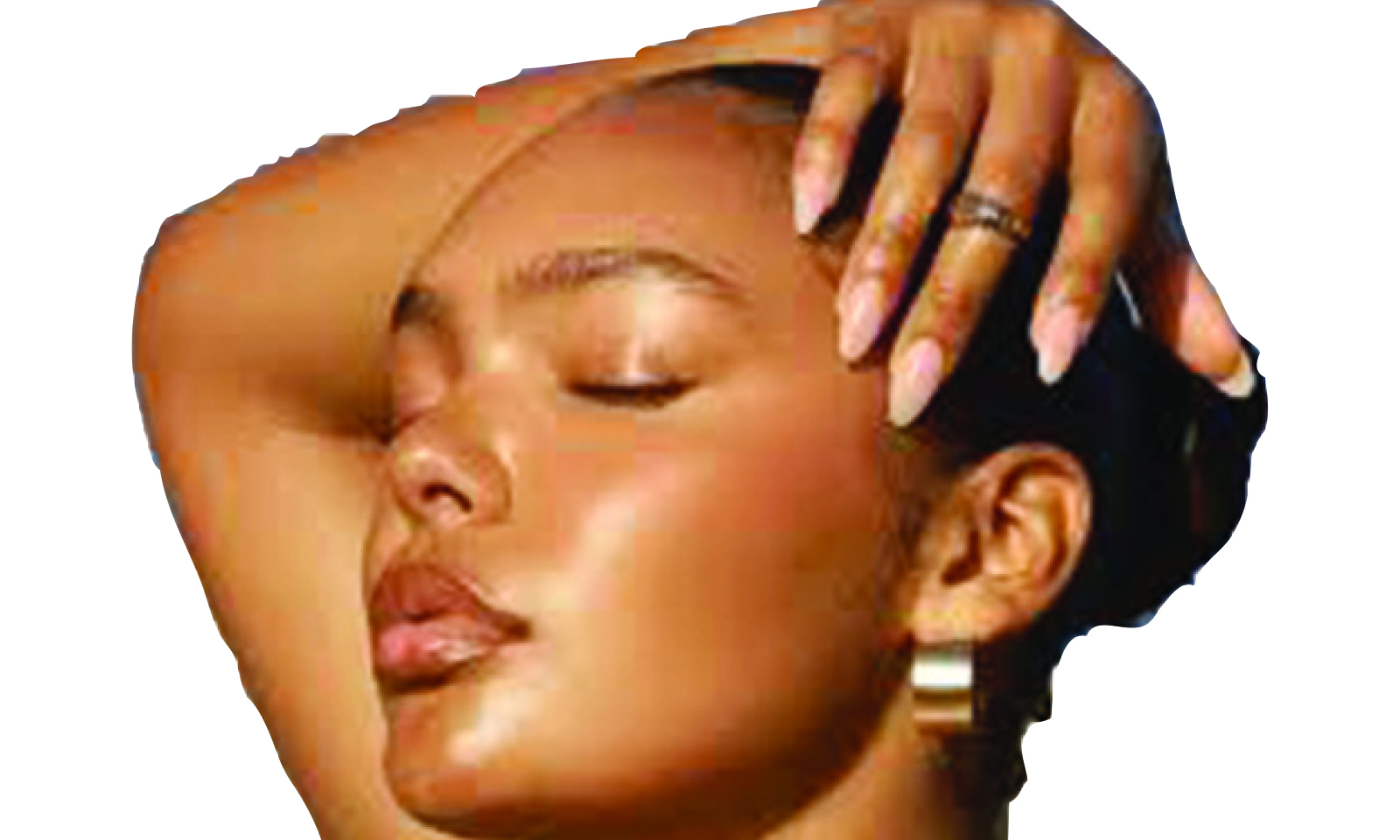
Fashion 263 Writer
The beauty world is abuzz with the latest trend: butter skin.
This look emphasises a complexion that’s as smooth, luminous, and soft as melted butter, offering a radiant and healthy glow.
Unlike the ultra-dewy “glass skin,” trend that has dominated the beauty scene over the last few years, butter skin focuses on a velvety, hydrated finish that exudes natural radiance.
Here’s a step-by-step guide on how you can achieve the butter skin look.
Skin preparation
Begin with a clean canvas. Gently exfoliate to remove dead skin cells, then apply a hydrating sheet mask infused with hyaluronic acid to plump and moisturise.
Follow up with a rich, creamy moisturiser containing ingredients like ceramides and plant butters to create a supple base.
Always begin with a clean canvas.
Primer application
Use an illuminating primer to enhance your skin’s natural glow.
Apply it to the high points of your face, such as cheekbones and the bridge of your nose, blending outward for a seamless finish.
Foundation
Opt for a dewy, medium-coverage foundation that allows your natural skin to shine through.
Mixing a liquid highlighter with your foundation can amplify the glow.
Apply using your fingers, as the warmth helps the product meld seamlessly with your skin.
Apply your foundation using your fingers.
Cheeks and highlighting
Stick to cream or liquid formulas for blush and highlighter to maintain a hydrated appearance. Apply blush to the apples of your cheeks and blend upward.
Dab highlighter on the high points of your face, such as cheekbones, brow bones, and the tip of your nose, for a subtle sheen.
Setting the look
Use minimal powder, focusing only on areas prone to excess shine, like the T-zone.
Meanwhile, beauty is not one-size-fits-all: bridging the cosmetic procedure gap between fair and melanin-rich skin is important.
If you have ever binge-watched “The Real Housewives” or scrolled through Instagram, you have likely seen the influence of cosmetic surgeries.
From lip fillers to facelifts, the “Instagram Face” trend has shaped how people, especially women, view beauty.
But while these trends dominate social media, they don’t always work for everyone, especially if you have melanin-rich skin.
The truth is that what works for fair skin may not work for darker skin tones. This isn’t just about aesthetic preferences; it’s about biology, cultural narratives, and the risks involved in certain cosmetic procedures.
To unpack this, “Independent Media Lifestyle” spoke to Durban-based plastic surgeon Dr Kajal Klutch, a respected expert in cosmetic surgery for diverse skin tones.
The beauty gap: why skin tone matters
When it comes to cosmetic procedures, one size doesn’t fit all. Aesthetic trends often stem from Eurocentric beauty standards, which don’t always align with the features or needs of ethnic groups.
For example, ethnic women may aspire to procedures like lip fillers or nose reshaping, but the results often differ due to unique facial structures and skin types.
She shares an example: “I often see patients who come in with celebrity photos, saying, ‘I want this nose’ or ‘I want these lips.’ But what works for one person won’t necessarily suit another. Our job as surgeons is to guide patients toward results that are harmonious with their natural features.”
This is especially true for ethnic women, whose facial structures and skin qualities differ significantly from Eurocentric aesthetics.
For instance, full lips and high cheekbones are already natural features for many African women. In these cases, subtle enhancements rather than dramatic changes are key to achieving a balanced, natural look.
“Cosmetic surgery should enhance what makes you unique, not erase it,” says Klutch. She explains that darker skin contains more melanin, which impacts how it reacts to treatments like lasers, chemical peels, and even surgical scars.
When it comes to cosmetic procedures, one size doesn’t fit all. Aesthetic trends often stem from Eurocentric beauty standards, which don’t always align with the features or needs of ethnic groups.
While social media filters and celebrity transformations drive aesthetic trends, they can be misleading, especially for people of colour. Many procedures commonly marketed as safe can pose significant risks for darker skin tones.
Take lasers, for instance. They’re often used for skin rejuvenation or hair removal, but aggressive laser treatments can trigger post-inflammatory hyperpigmentation (PIH) in darker skin. PIH causes dark spots that can take months or even years to fade.
“Lasers can be safe for darker skin, but only when the right technology is used. Unfortunately, many practitioners don’t have the right equipment, which puts patients at risk.”
Another risky procedure for darker skin is chemical peels, particularly deep peels like TCA or phenol peels. While these are effective for fair skin, they can result in permanent scarring or uneven pigmentation for patients with melanin-rich skin.
People are becoming more transparent about their surgeries, which helps demystify the process. “No one wakes up looking perfect at every age. We all have our routines, and that includes some interventions,” she adds.
“If something makes you feel good about yourself and you’re not harming anyone, it should be celebrated. I advocate for a culture where people can express themselves without shame.”
“I often find myself advising clients on what suits them best, based on their unique features. It’s crucial to enhance natural beauty rather than push unrealistic standards.”
Cosmetic surgery should enhance what makes you unique not erase it
As a doctor to the stars, she recognises the pressures that come with social media, where appearance often dictates perception. “People in the entertainment industry face scrutiny based on looks. It’s not just celebrities; it’s everyone. Sharing their experiences helps break down barriers and shows that beauty isn’t just about genetics,” Klutch says in conversation.
“Whether it’s a teacher or a celebrity, the common thread is that everyone wants to feel good about themselves. It’s not just about the procedure; it’s about the journey to self-acceptance,” she explains.
“Many patients come in wanting to replicate a look they saw online. Sometimes, the difference is as simple as a hairstyle adjustment,” she said. — iolnews



 Online Reporter