Online Reporter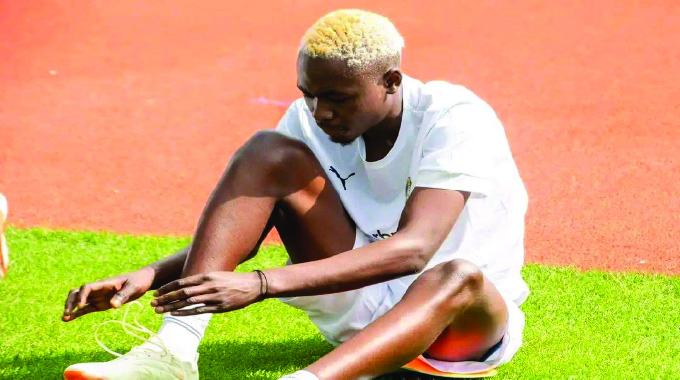
Bruce Ndlovu and Gibson Mhaka
AUTHENTICALLY Zimbabwean song, dance and fashion were the hallmarks of the launch of this year’s Culture Month Celebrations at Barbourfields Stadium in Bulawayo yesterday, during a day that seemed to bolster the city’s self-proclaimed status as the cultural capital of the country.
On a day in which the bitter winds of an early winter lashed Bulawayo’s storied football arena, thousands of people clad in dazzling traditional regalia, national colours and cultural attire gathered for the official launch of the 2026 Culture Month commemorations in a spectacular showcase of unity, identity and heritage.
From the early hours of the morning, the iconic stadium had transformed into a raucous melting pot of colour and rhythm, with women wrapped in brightly patterned fabrics, while men donned embroidered shirts, animal skins, traditional hats and cultural regalia symbolising Zimbabwe’s rich ethnic diversity.
Green, gold, red and black, the colours of the national flag, dominated the terraces as young people creatively fused modern fashion trends with traditional designs, creating a vibrant blend of heritage and contemporary identity.
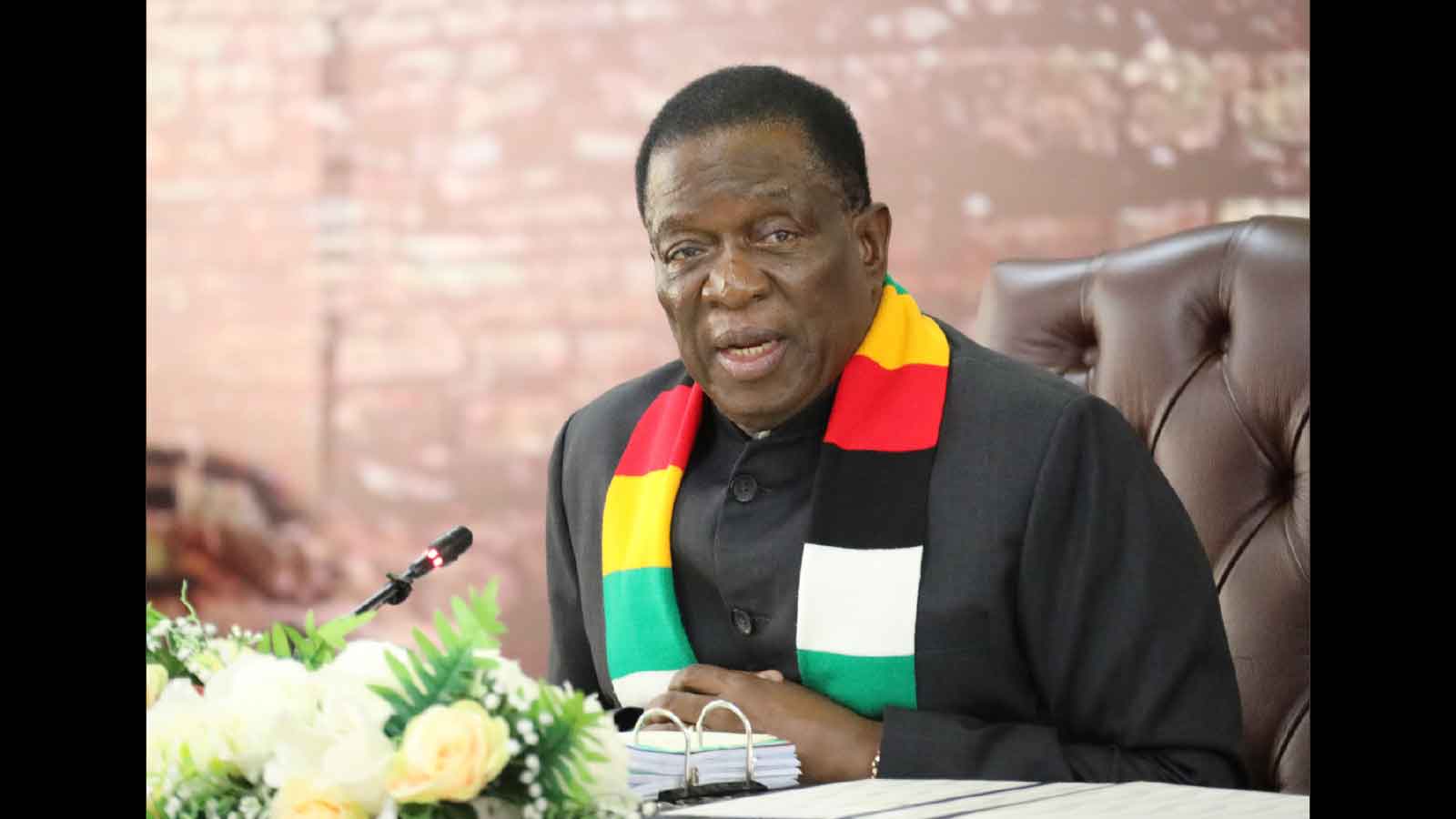
President Mnangagwa, who officiated at the national launch, received a thunderous welcome as he entered the stadium
However, the defining moment of the day came moments before he delivered his address.
As Jah Prayzah’s popular song “Chiremerera” boomed through the giant speakers, the President delighted the crowd with his trademark dance moves, shuffling his elbows to the rhythm of the song in a moment that instantly sent the stadium into wild cheers and laughter.
The crowd erupted in excitement, with many rising to their feet, singing along and waving Zimbabwean flags as the President danced with visible enthusiasm and ease.
In such moments of unfiltered delirium, Barbourfields became more than just a stadium; it became a living theatre of Zimbabwean culture, pride and unity.
The celebrations, held under the theme “Cultural Diversity: Advancing Vision 2030”, brought together citizens, artistes, traditional leaders and creatives from all corners of the country in a powerful affirmation of the importance of culture in national development.
More than 120 artistes from the Matabeleland region participated in a specially curated cultural showcase that highlighted the traditions, languages and customs of Zimbabwe’s diverse communities.
Every inch of fabric, every stitch on every garment, seemed to scream Zimbabwe, as the young proved that fears they might lose touch with their identity are largely misguided.
What they could not fully express through their clothes, they did so in song and dance, showing the kind of enthusiasm on the stands at BF usually reserved for the most passionate and staunchest Highlanders Football Club fans.
In an ironic twist, players who turn out for the country’s oldest football club were, for once, turned into spectators and supporters as they cheered on performing artists who, for one day at least, transformed their favourite hunting ground into a dance floor.
Tshilamoya darling Andrew Mbeba at one point flexed his vocal cords as he led his teammates in song in front of thousands of cheering fans.
From early morning, the atmosphere in the stadium was electric, punctuated by the beating of drums, whistles, ululations and traditional songs as groups from across the country paraded their customs through dance, poetry and music.
Towering banners surrounding the stadium carried powerful messages that perfectly captured the significance of the day and the Government’s cultural vision.
“Destination for Heritage and Creative Tourism,” read one banner.
Another proclaimed: “Promoting our culture for national development.”
Others boldly declared: “Our Culture: Building Zimbabwe Brick by Brick,” “Safeguarding our culture, igniting innovation to achieve Vision 2030,” and “Traditional Leadership: Our Moral Fabric.”
The banners were large and loud, but in truth, they merely echoed what was already unfolding on the stands and on the pitch. The outpouring of pure, undiluted Zimbabwean culture did not need any subtitles to explain it.
The messages on display resonated strongly with the thousands in attendance, especially schoolchildren drawn from different learning institutions, whose participation added youthful vibrancy to the commemorations.
Many of the pupils, dressed in school uniforms mixed with traditional accessories and Zimbabwean colours, embodied the ideals of the Heritage-Based Curriculum, which seeks to promote indigenous knowledge systems, cultural identity and patriotism among learners.
As traditional dances reverberated around the stadium, apostolic sect members in flowing white garments also became part of the colourful tapestry of the celebrations, their distinct attire standing out prominently among the multitudes gathered to celebrate Zimbabwean identity.
Organised by the Ministry of Sport, Recreation, Arts and Culture together with the National Arts Council of Zimbabwe, the commemorations seek to encourage Zimbabweans to preserve indigenous culture, language and traditional values as the country marches towards Vision 2030.
As drums continued to echo into the evening and cultural groups danced before cheering crowds, the day left little doubt that Culture Month remains one of Zimbabwe’s most powerful celebrations of identity, heritage and nationhood.