Online Reporter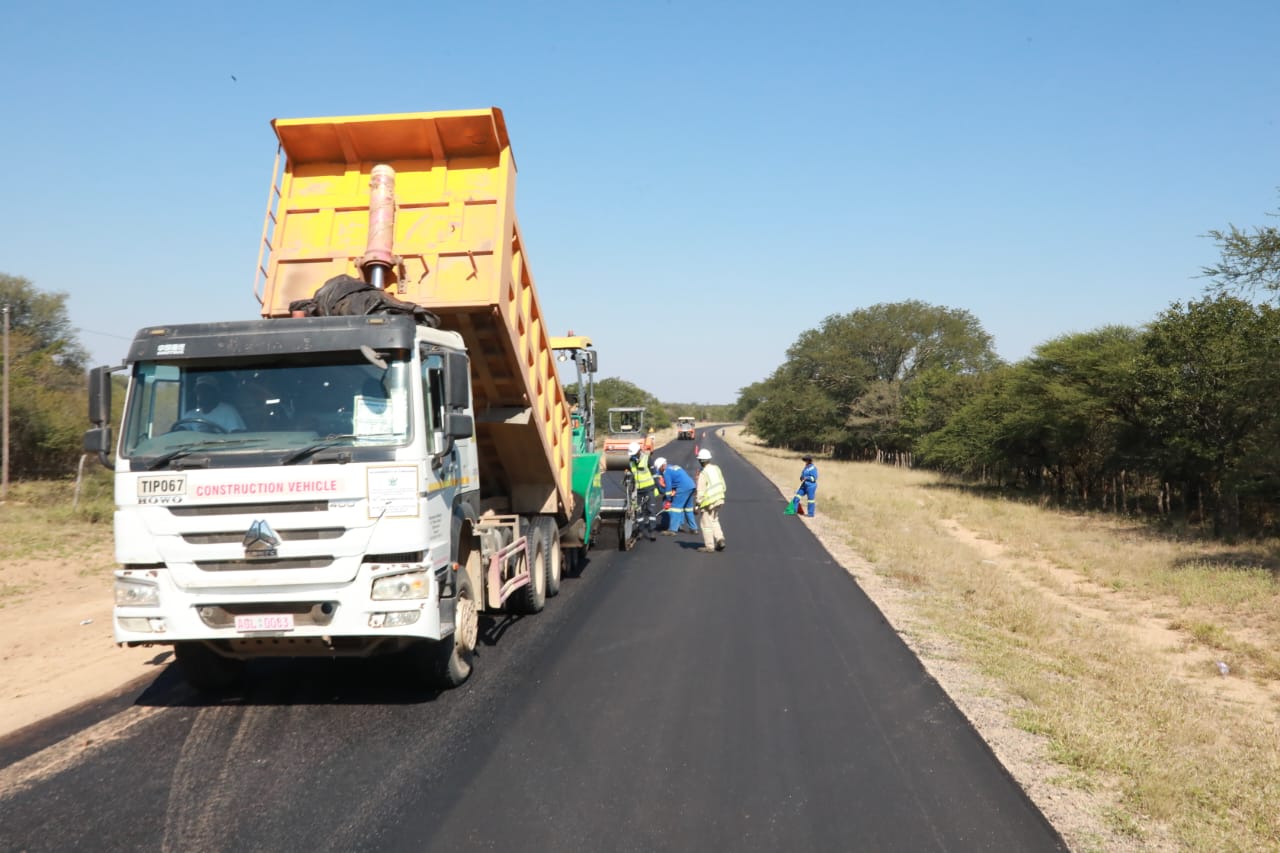
Peter Matika [email protected]
Bulawayo’s road rehabilitation programme has come under the spotlight amid concerns over poor workmanship, substandard materials and possible construction shortcuts, with some newly repaired roads reportedly developing potholes within just two months.
Councillors have called for investigations into the quality and durability of road works, questioning why roads deteriorate soon after rehabilitation despite residents paying the road levy.
This emerged during a Bulawayo City Council (BCC) meeting, where councillors expressed concern over the condition of roads that had recently undergone rehabilitation.
They said the rapid return of potholes raised questions over contractor performance, the quality of construction materials and supervision of road projects.
“A road was repaired and resealed, but within a period of two months potholes would be back again,” said one councillor.
Bulawayo Mayor Councillor David Coltart attributed the rapid deterioration of some roads to the quality of materials used during construction.
“There were two grades of granite aggregates, with the inferior grade capable of producing a road that initially appeared to be in good condition before deteriorating rapidly,” he said.
Cllr Coltart also raised the possibility of shortcuts being taken during construction, saying there is a need for investigations to establish why some roads were failing within such a short period.
The concerns come against the backdrop of a long-standing road maintenance crisis in Bulawayo, where years of inadequate funding, ageing infrastructure and delays in accessing road financing have left large sections of the network in poor condition.
The city has previously acknowledged that it requires significant resources to bring its road network back to an acceptable standard, with rehabilitation costs running into millions of United States dollars.
The deteriorating road network has also become a major concern for motorists, public transport operators and residents, with potholes increasing vehicle maintenance costs, slowing traffic and raising safety concerns.
The situation has been compounded by the city’s financial challenges, which have affected its ability to undertake road maintenance consistently.
The road levy was introduced as one of the mechanisms to raise dedicated funds for road rehabilitation, with residents effectively contributing towards the maintenance of the city’s road network.
Councillors argued that the quality of work should match the money being invested, particularly where roads fail shortly after rehabilitation.
They called for greater accountability to ensure that funds channelled towards road projects result in durable infrastructure.
The latest concerns have also placed the spotlight on the quality-control chain, from the sourcing and testing of aggregates to construction standards and supervision of contractors.
Councillors said council should establish whether contractors were complying with specifications and whether adequate inspections were being carried out before rehabilitated roads were handed over.
They also urged council to ensure that rehabilitation works are spread across the city, rather than concentrating on major roads in the central business district at the expense of residential areas.
They said feeder roads in residential suburbs also required regular grading, resealing and maintenance to prevent further deterioration.
BCC is facing funding and logistical challenges that are affecting the pace and continuity of road projects.
Council’s acting director of works, Mr Methusi Dibidi, said inadequate funding was constraining some projects, while delays in paying contractors could result in the suspension of works.
He said interruptions to projects could affect their continuity and delay completion.
The city has also previously relied on national road funding and partnerships to accelerate rehabilitation.