Online Reporter
Zvamaida Murwira
Senior Reporter
CABINET has adopted a National Multi-Hazard Contingency Plan where Zimbabwe is bracing for climate-induced disasters such as storms, floods and cyclones.
The plan seeks to strengthen capacity for disaster preparedness and response to ensure timely and co-ordinated action.
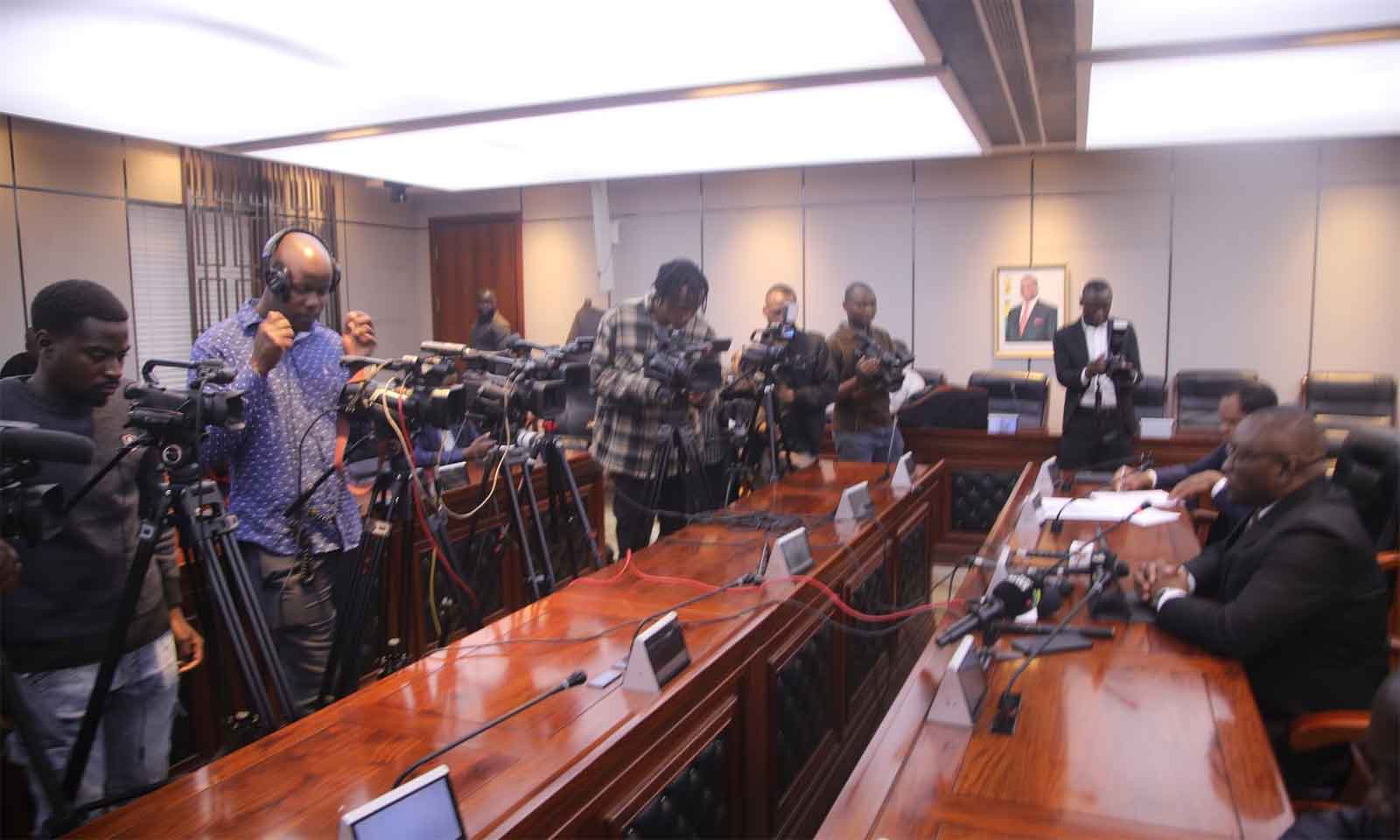
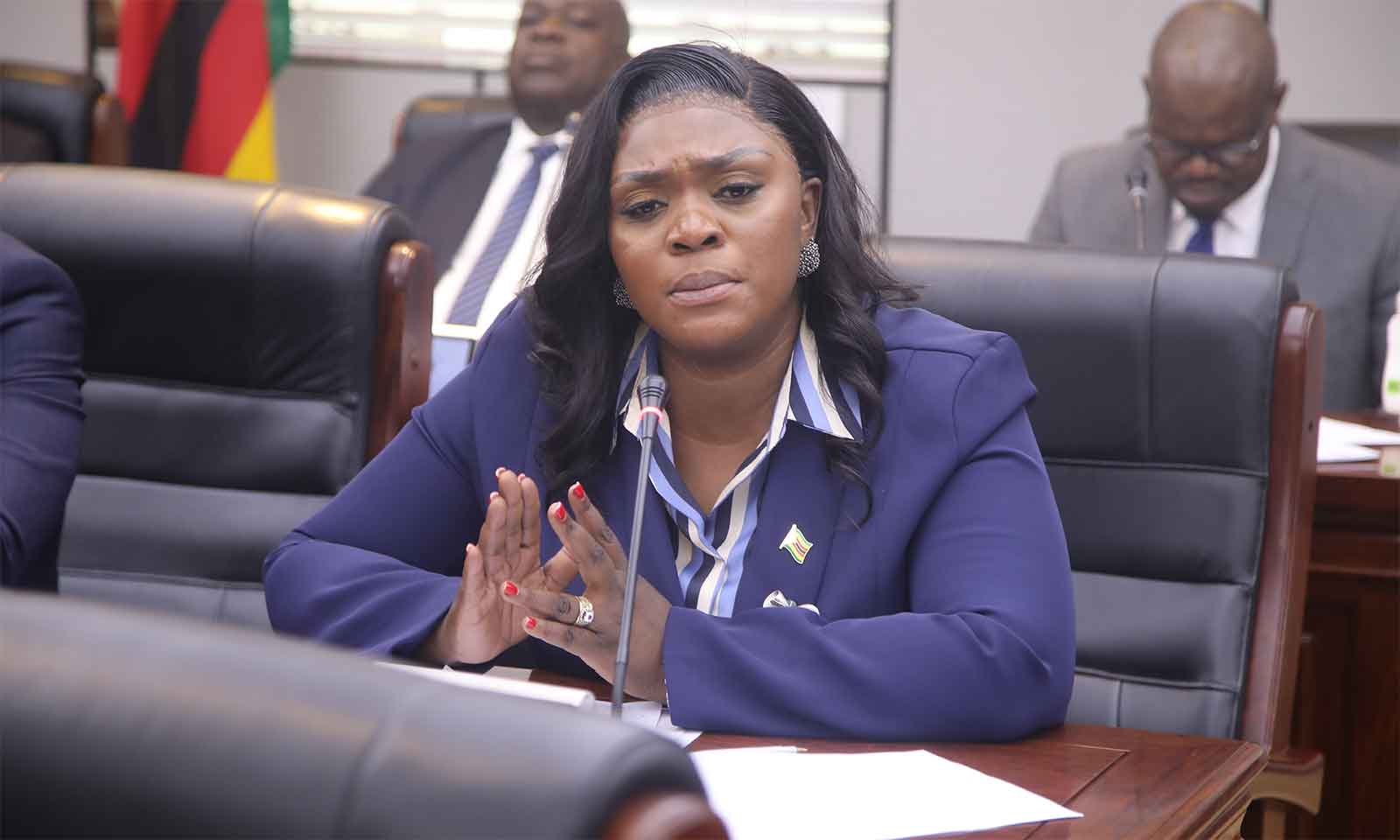
This was said by Information, Publicity and Broadcasting Services Minister, Dr Jenfan Muswere, at a post-Cabinet media briefing in Harare yesterday.
“Cabinet considered and approved the 2025/2026 National Multi-Hazard Contingency Plan,” he said.
“The plan outlines national disaster preparedness, co-ordination systems, response mechanisms and resource requirements to predict, prevent, mitigate, prepare for and respond to potential emergencies associated with the 2025/2026 rainfall season.
“The projected normal to above normal rainfall during the greater part of the 2025/2026 season, December 2025 to February 2026, is likely to experience extreme climate-induced events that include severe storms, hailstorms, floods, tropical cyclones, landslides and other hazards of a trans-boundary nature.”
Dr Muswere said the country’s capacity will be activated at all levels from national down to village level.
“The overall aim of the plan is to strengthen capacity for preparedness and response from the national to the sub-national levels cascading to the village level in order to enhance timely and co-ordinated response to emergencies by Government and stakeholders.
“The plan will also instil a culture of resilience building and disaster risk reduction for sustainable development.”
The country has been recording a number of disasters caused by rains, with several places including Masvingo Province, affected recently.
The Masvingo Civil Protection Committee had to deploy teams to assess damage across the province after strong winds accompanied by rains damaged a lot of property.
Masvingo and Chiredzi districts bore most of the brunt, after houses and schools were damaged.
Scores of people were left homeless in the Gunikuni area in Masvingo district after strong winds and heavy downpours damaged their homes.
Schools were also ravaged in Masvingo, Chiredzi and Zaka.
Some classroom blocks had their roofs blown away at Chiredzi Government Primary School, while roofs at Chilonga Secondary School were also blown off.
Meanwhile, Dr Muswere said Cabinet also received and adopted an update on the Kariba Floating Solar Power Plant.
“The Kariba Floating Solar Power Plant is an initiative to generate 600 megawatts on Lake Kariba through private sector investment.
“The solar power generation is meant to augment hydropower supplies from Kariba Power Station, which has encountered fluctuations due to recurring hydrological constraints and declining lake levels,” said Dr Muswere.
Some of the benefits of the Kariba Floating Solar Plant project include the preservation of water during the day through solar generation.
Water would be available for increased night hydropower generation.
The project will also stabilise power output and enhance climate resilience as well as ensure long-term sustainability of the Kariba power generation system.
Said Dr Muswere: “The 600 megawatts project will be implemented in three phases over a five-year period, starting with 150 megawatts.
“Phase 1 will commence during the second quarter of 2026.”
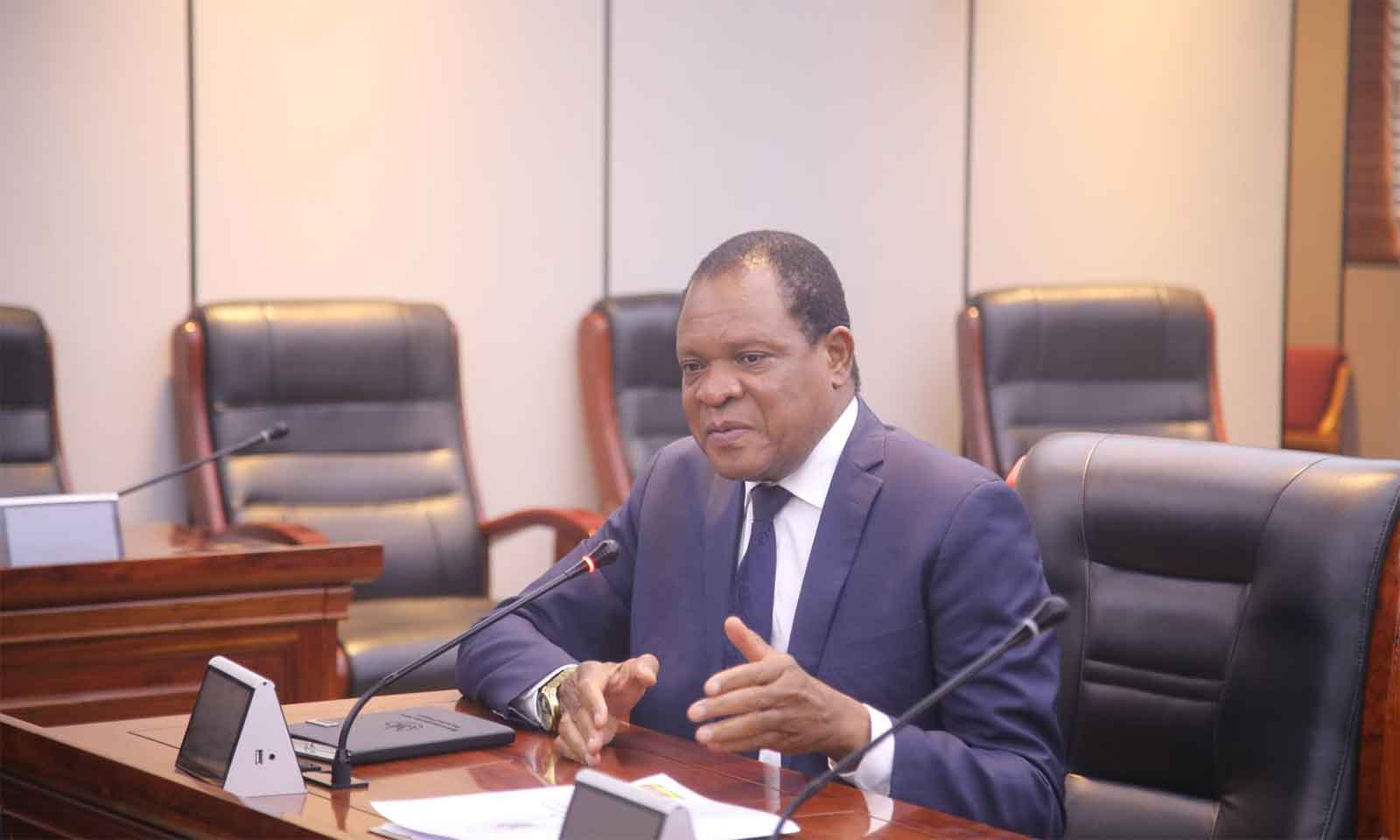
Lands, Agriculture, Fisheries, Water and Rural Development Minister, Dr Anxious Masuka, described the solar project as a novel development in the country.
He said the footprint of the project is 10 square-kilometres within Kariba, which was less than one percent of the 5 000 square-kilometres of Kariba, making it very minimal in terms of affecting the environment.
“The investment is by a local investor, wholly Zimbabwean company that approached the Government, and is coming to do 600 MW although in a phased approach, starting with 150 MW.
“This will complement the President’s efforts at Hwange Unit 7 and 8.
“ The total costs will be between US$550 million to US$600 million. We expect that by 2030 or 2031, the whole project will be fully operational with a view to replicate it across other dam sites across the country,” said Dr Masuka.
He said as the Government rolls out the project given the energy deficiency, it will also attend to some Bi-National issues as Kariba dam is shared between Zimbabwe and Zambia under the Zambezi River Authority.
“I was also telling my colleagues that there is what we call value of lost load, which is a measure of the economic impact of a project.
“We are told the project will generate US$4,7 billion into the economy, which is about 10 percent of our Gross Domestic Product,” said Dr Masuka.