Online Reporter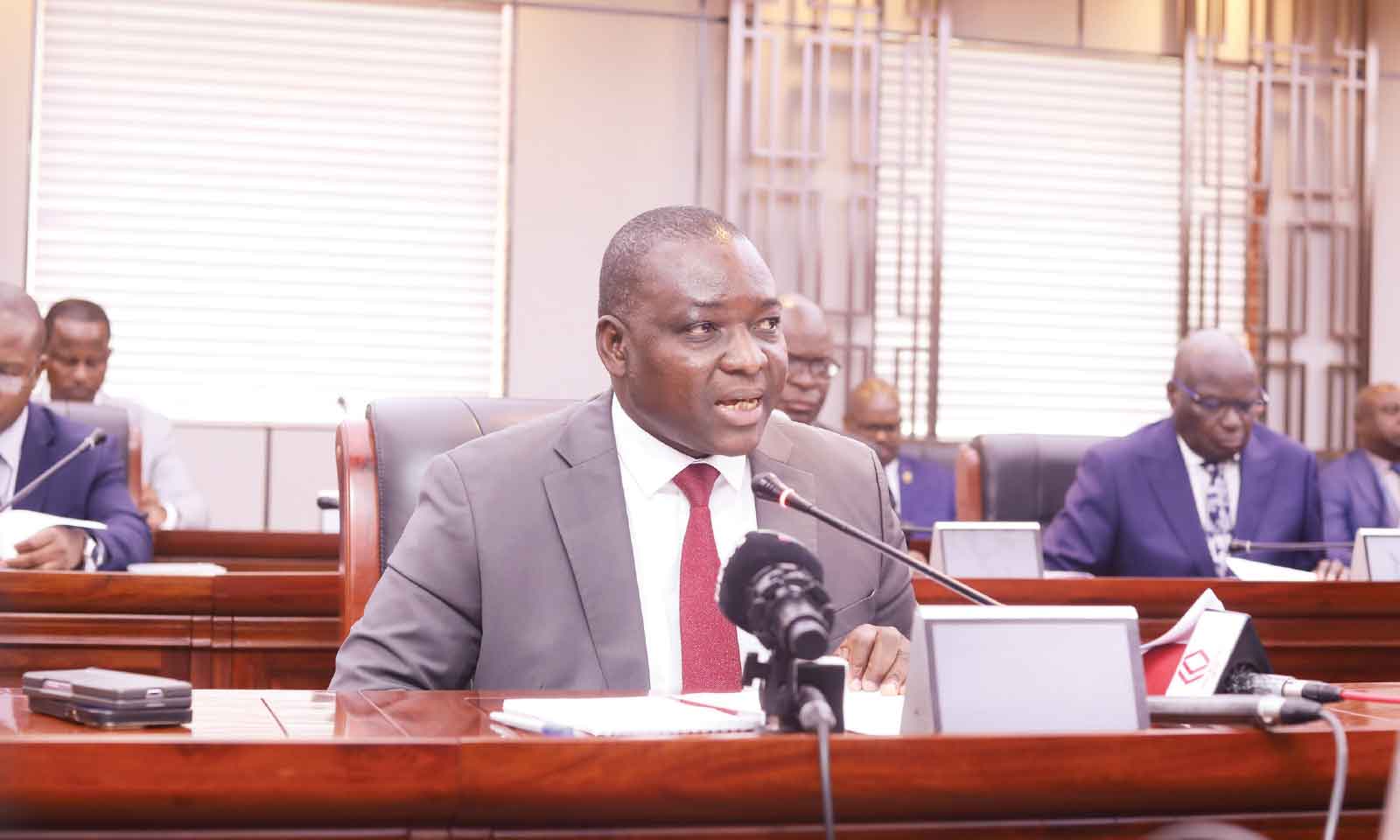
Rumbidzayi Zinyuke, [email protected]
CABINET has approved a US$4,5 million contingency fund to strengthen preparedness for seasonal disease outbreaks such as typhoid and cholera.
This comes as the Government has also started drafting a new National Health Strategy aimed at securing sustainable financing for the country’s healthcare system.
Addressing yesterday’s post-Cabinet media briefing, Information, Publicity and Broadcasting Services Minister Dr Zhemu Soda said the approval of the key measures would enhance the country’s response to health risks.
The country has experienced sporadic and isolated outbreaks of waterborne diseases, typically associated with the rainy season, he said.
“Although no major outbreaks have been officially declared, risks remain elevated due to current weather conditions, population movements and increased strain on water and sanitation infrastructure,” said Minister Soda.
“Cabinet has approved a Contingency Fund to support the Ministry of Health and Child Care’s preparedness and early response activities for seasonal disease outbreaks.
“Furthermore, the multi-sectoral approach involving relevant ministries, local authorities and agencies responsible for water and sanitation, local Government, transportation, education, environment and social services will be strengthened in order to enhance prevention, improve preparedness, and facilitate rapid response during the 2026 rainy season.”
Minister Soda said this was part of the Government’s efforts to intensify preparedness efforts through comprehensive risk and hazard mapping, enhancing alertness among response agencies and expanding public health communication initiatives.
They are expected to prevent isolated cases from developing into large-scale outbreaks and reduce pressure on the country’s healthcare system.
During the question and answer session, Health and Child Care Minister Dr Douglas Mombeshora said the contingency fund would be used for procurement of essential equipment and medicines.
“The fund of US$4,5 million will cover procurement of essential commodities such as tablets for treating water, intravenous fluids and medications required for cholera treatment.
“It will also support public awareness campaigns in high-risk areas that we have mapped, rather than across all provinces,” he said.
The Government is implementing a multi-sectoral approach, involving co-ordination between ministries, local authorities and agencies responsible for water and sanitation, local Governments, transportation, education, environment and social services, all aimed at enhancing prevention, preparedness and rapid response during the 2026 rainy season.
Meanwhile, work has begun on the new National Health Strategy to cover 2026 to 2030, aligned with the National Development Strategy 2 (NDS2).
The strategy is expected to focus on mobilising health financing to ensure universal access to services.
“We started working on the National Health Strategy 2026 to 2030 yesterday and this is to align it with the NDS2.
To“On financing, it is going to enhance the ring-fencing of all health levies and taxes that are targeted at raising money to support the healthcare system,” said Dr Mombeshora.
Over the past five years, the Government has introduced various levies on alcohol, cigarettes, fast food and sugary beverages, commonly known as sin taxes, to bolster health sector funding.
In 2024, the Treasury introduced the sugar tax in response to growing concerns about the negative health impacts of consuming sugary beverages.
Since then, over US$30 million has been raised through the taxes, part of which has been used to procure cancer machines, which are expected in the country soon.
Government is also in the process of coming up with the National Health Insurance scheme, meant to protect citizens from rising medical costs and ensure universal access to quality health service.
The proposed scheme, whose draft Bill is now awaiting submission to Parliament, will provide financial risk protection for families while creating a more sustainable and equitable health financing system.
“The National Health Insurance is meant to provide universal health coverage so that every citizen of Zimbabwe can access health services without out-of-pocket payments. The money will be used to strengthen the consultations, investigations and the treatment of diseases in our health institutions,” Dr Mombeshora said.
No synonyms found.