

 admin
admin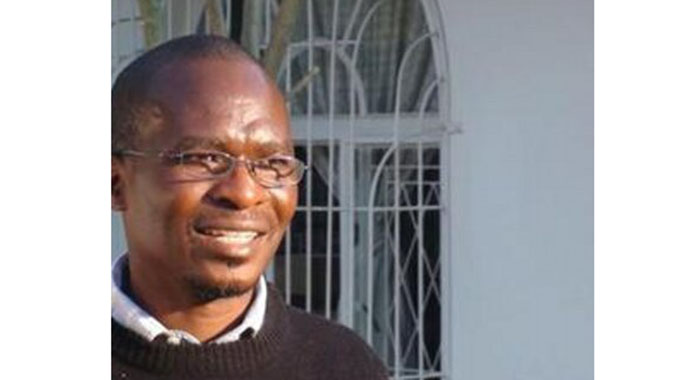
The pandemic-induced lockdown has made matters worse for the rural people in Zimbabwe as various local and international NGOs have scaled down their operations. While the country’s mainstream industry is rushing to recover lost ground in a period of massive economic lockdown – Sifelani Tsiko (ST), our Agric, Environment & Innovations Editor speaks to the Practical Action Southern Africa regional director, Kudzai Marovanidze (KM) about how his organization aims to pull back on its feet most of its development work in the country.
ST: Can you tell us how the Covid-19 induced lockdown has affected your development work in various parts of Zimbabwe?
KM: Practical Action’s global policy fully embraces commitment to safeguarding and duty of care, hence the lives of communities and all stakeholders come first. Practical Action’s work on promoting solar powered irrigation in communities affected by climate change has slowed down and in some cases stopped. The pandemic has slowed our progression in terms of ensuring the provision of solar energy for irrigation purposes targeting smallholder farmers. In Manicaland Practical Action has continued to remotely support rural agriculture and livelihoods, working with FAO. The amount of training support and services we offer farmers has also been limited and restricted due to the need to observe social distancing. However we have had to adapt by devising new ways of working that ensures adherence to government and WHO guidelines with regard to working under this crisis such as the use of podcasts and mobile phones.
ST: How has the lockdown derailed the work by Practical Action in rural Zimbabwe?
KM: Not being able to interact with farmers and communities, face to face, has been the biggest setback of our work. Development projects have time lines and budgets are tired to those timelines. We are also working with others to support an alternative, and more sustainable agro-food system that makes communities more resilient. We are losing time we could be directly supporting vulnerable rural communities.
ST: What do you think is the impact of the lockdown measures on the livelihoods of people in the rural areas where Practical Action is working?
KM: Our support to farmers who normally get engaged in winter farming has been disrupted; some farmers are finding it difficult to access food and inputs for their winter farming. Those who have been able to harvest are experiencing limitations as well with regards to accessing markets so that they can sell their produce while minimising the COVID risk.
ST: What projects are you working on to stall the spread of the coronavirus pandemic in rural areas?
KM: What have we done? Practical Action developed its global COVID response, which guides our local response actions at the national and community levels. Broadcasting awareness messages on COVID 19, hygiene and GBV via bulk SMS using ECONET as the service provider. Supporting Community Based Facilitators (CBFs) who are currently on the frontline in assisting in the fight against the spread of COVID 19 i.e. spreading the messages and monitoring the project. Supporting farmer groups with personal protective equipment (PPEs). What will we continue to do? As Practical Action we will enhance and strengthen the locally based support structures/service providers for the same communities to ensure improved capacity to deal with community health needs. The support will constitute the following activities: Health and hygiene promotion (resuscitate or establish health clubs, village health workers capacity building), support the repair of boreholes, drilling boreholes for drinking water, tools for repairs, adding sanitation aspects at existing garden and irrigation sites. Formation or resuscitation of sanitation action groups and capacity building and support rural ward based clinics with PPEs, safe water, ablutions, solar lighting.
ST: How can Practical Action and other development actors collaborate to build the resilience of rural communities to improve food security, health and their livelihoods?
KM: Practical Action believes in safety first, so the current joint efforts must continue. The COVID 19 pandemic is proving to be here for a while, government and fellow development partners need to ensure the country remains on high alert in preventing the spread of the virus, while ensuring that there are basic support services to keep the food system, including related markets operational. . For the foreseeable future we need to ensure new ways of working and conducting business under this pandemic and beyond.
ST: Donor partners are major contributors to the financing of Practical Action projects. Have you discussed the impact Covid-19 on the timelines for the implementation of development projects? Have they assured you of their continued support?
KM: Practical Action’s development partners are very aware and very concerned. We are in constant liaison, and they are very adaptable to enable appropriate support to affected communities. Practical Action greatly appreciates their support which is reaching vulnerable communities in Zimbabwe. In Zimbabwe, special thanks goes to DFID, SIDA, lsle of Man, FAO and to all the partners that we work with.
ST: What do you think needs to be done to re-align your development work if the if the Covid –19 pandemic persist in the coming few years?
KM: To effectively continue to deliver projects on the ground, new operating procedures adhering to the WHO and government guidelines need to be enforced and known to everyone. We need to have generally accepted ways of delivering aid and support to the vulnerable communities without increasing the risk of spreading the virus or risk of other hazards to come. We need to work while preparing for the worst case scenario so we are able to cope with potential outbreaks that can potentially affect communities. Development approaches should empower communities to have the confidence to self-manage and to drive their local economic development.
ST: What can you say about the Covid pandemic and the future of rural development projects?
KM: This is not the end of the world, we all need to keep looking ahead and work together to strengthen our institutions and community support mechanisms to ensure resilient communities and local economies.



 Wenslus Murape
 Online Reporter