

 admin
admin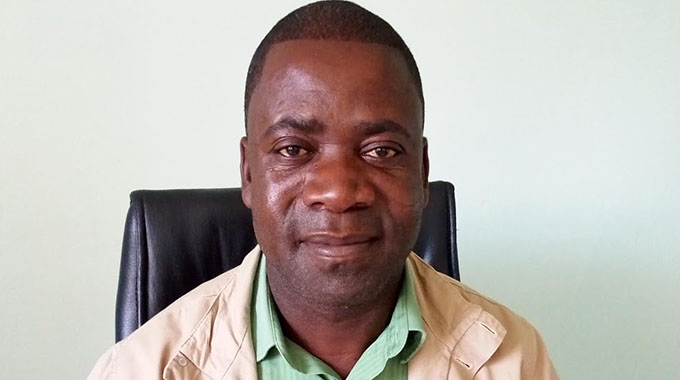
Fungai Lupande Mashonaland Central Bureau
Call centres have become an effective tool to inform HIV programming, reach people in marginalised communities and link them to services close to them, the National AIDS Council (NAC) has revealed.
NAC Provincial Manager Mr Edgar Muzulu said this while launching their male engagement strategy, gender assessment report, and call centres assessment report.
Addressing stakeholders at Tendai Hall in Bindura, he said an assessment was done to establish the coverage extent of call centres.
“In hard-to-reach areas, it has been noted that call centres are an effective tool to communicate with people and make sure that they reach referral pathways for health, psychological and legal needs,” said Mr Muzulu.
He said men remain skeptical of up-taking health services and remain low on HIV testing, condom use, circumcision and enrolment on anti-retroviral drugs.
“Most of the focus of HIV response is feminine. Traditionally interventions have treated women and children as victims leaving out men.
“The impact is that we are failing to reach the required levels in prevention strategies because of the gap. This strategy is meant to close this gap and bring everyone aboard,”.
On the gender assessment, Mr Muzulu said equality is still a hindrance.
“In sub-Saharan African countries, most societies are patriarchal in nature leaving young girls and women vulnerable and disadvantaged.
“The report highlights the gaps that were documents which include cultural norms and traditional practices which we need to introspect,” he said.
“The report seeks to ignite how best we can close these gaps so that we can bring change that removes vulnerability and brings equality which leads to access to health service resulting in quality investment in interventions.”
Launching the reports, Minister of State for Provincial Affairs and Devolution Senator Monica Mavhunga commended call centres saying the country is harnessing technology to respond to our social needs even in emergency situations.
She encouraged organisations that operate helplines to invest in strengthening referral pathways so that clients do not struggle to access services they would have been referred for.
“They should invest in quality improvement with a focus on service provision, service monitoring along with case follow-up,” she said.
“We realise that help can be entry points to information and services by providing information, first line counselling, referrals and referral access enablers, so they really need to be strengthened.”
She said the launch affirms the country’s commitment to ending AIDS by 2030.
Engaging men and boys in responding to end AIDS as a public health threat by 2030, ending Gender Based Violence (GBV) and addressing Sexual, Reproductive Health and Rights (SRHR) needs is crucial and important, she said.
“We need to engage men and boys in all their diversity and this goes hand in glove with the mantra ‘leaving no place and no one behind,'” she said.
“Gender inequality, gender-based violence, stigma and discrimination, education gaps and other socioeconomic inequalities, as well as in accessing sexual and reproductive health (SRH) services are some of the main drivers of new HIV infections in Zimbabwe.”
Mrs Morleen Masanzu, provincial chairperson of the Zimbabwe National Network of People Living with HIV (ZNNP+) said their virtual platform named ‘Kutabila’ is effective.
She said the call centre keeps a record which they use to inform their programming.
“Kutabila is a Tonga word which means echoes. This is our tollfree line where people can be connected with operators across the country,” she said.
“A caller is connected to a specialist who will be on standby. Using the record from the call centre we can see where there is high gender-based violence or other problems so that we map our programming depending on these challenges.”



 Online Reporter