Online Reporter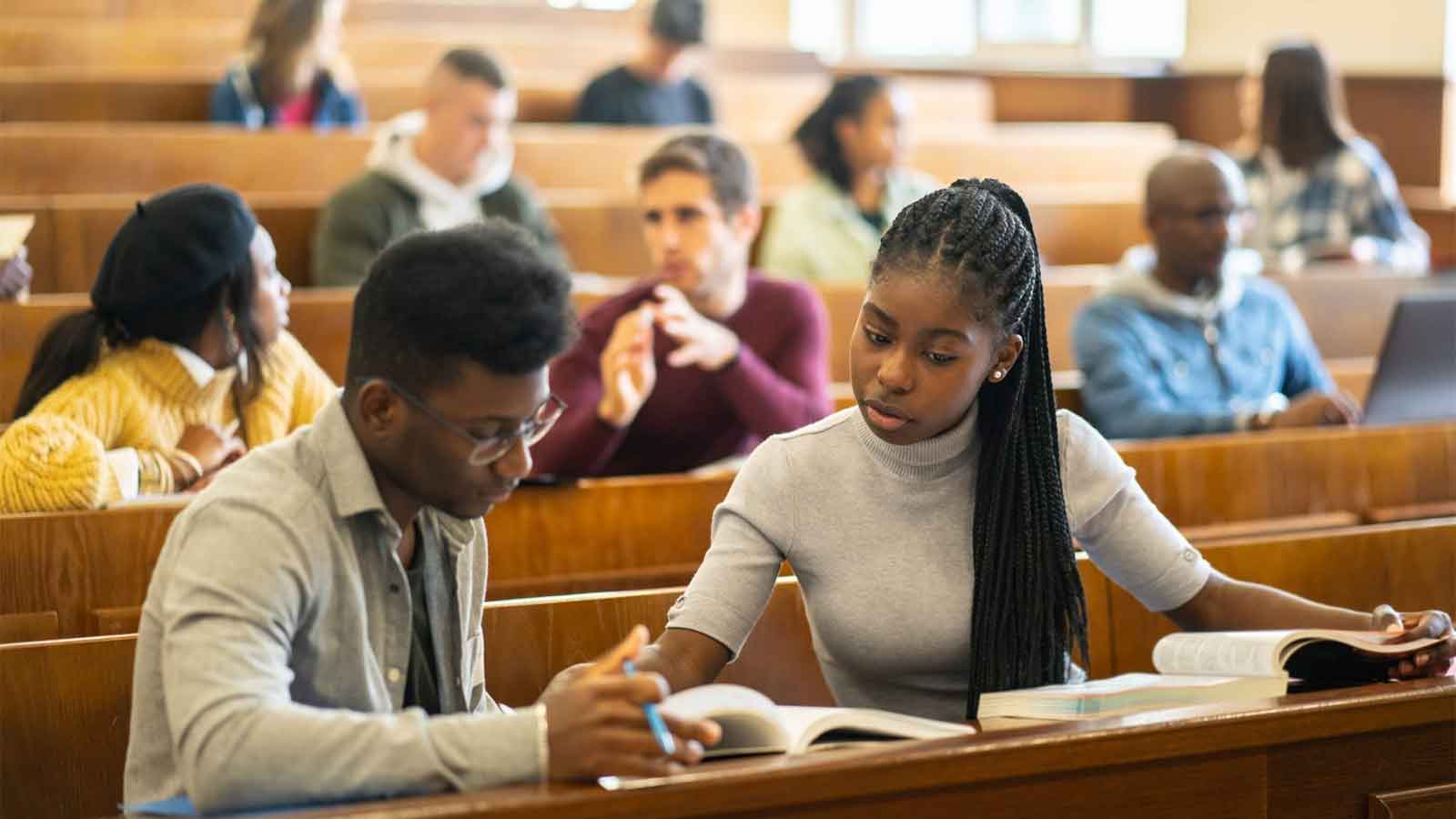
Latwell Nyangu-Youth Interactive Writer
University life is often introduced as a sequence of tasks, attend lectures, take notes, write assignments, sit exams, submit projects, repeat.
For many students, this rhythm quietly becomes the definition of “real progress.”
But there is a danger in allowing education to shrink into paperwork.
When students treat university or college as nothing more than an academic treadmill, they may graduate with credentials but still feel unprepared for the wider world.
This week, I am encouraging students to be more aggressive, shift focus and move with time.
Many thanks to those who are supporting Campus Reflections Show, we continue to grow.
We also welcome partnerships so that we can make the initiative go beyond the studio setup.
It is my wish to see young people, particularly those who are pursuing some academics to, change their homes.
Students should move with time, not by abandoning learning, but by expanding what learning means.
Education is not only for reading and writing, but it is also for looking ahead, building direction, and preparing for the changing realities of life on campus, life after graduation, and life thereafter.
Moving with time means recognising that the world doesn’t wait for our semester schedules.
Even campus life changes from the way students learn, to the way they socialise, to the resources available to them.
If students remain narrowly focused on what is immediately required for the next assignment, they may miss the deeper opportunity of university, which is to grow in ways that keep pace with the future.
Decisions made on campus can reflect wider societal problems such as inequality, employment uncertainty, political tensions, cultural conflicts, and uneven access to opportunities.
Students do not live in isolation, but they live among people who share the same pressures and hopes.
When students “move with time,” they begin to connect their academic experience with campus life and the world beyond the campus gates.
It is also about refusing the comfort of narrow thinking.
A student who is only interested in achieving grades may eventually struggle with practical challenges, workplace expectations, team dynamics, professional accountability, and problem-solving under pressure.
However, a student who moves with time learns to translate knowledge into action.
Consider how many campus conversations revolve around exams and deadlines.
Those conversations are necessary, but they can become the dominant language of student life. Moving with time means broadening the conversations.
It encourages students to see the campus as a training ground, not just a testing ground.
Training involves more than mastering content.
Students learn leadership through organising clubs, building projects, mentoring juniors, or participating in student governance.
Reading and writing are strengthened by critical thinking, discipline, collaboration, and a sense of purpose.
When students move with time, they treat campus life as a full ecosystem of growth. Many students feel overwhelmed because they believe they are supposed to have everything figured out by the time they graduate.
Moving with time reframes that pressure.
It encourages students to build gradual progress.
It encourages them to develop routines that sustain them, seek support early, and take small steps toward clarity, rather than waiting until a crisis forces a decision.
For some students, the campus bubble lasts until graduation day.
Then they step outside and realise the world is not structured like a semester.
Nobody hands you study guides.
Deadlines often change.
You may work with people whose priorities differ from yours. Your success may depend on factors beyond your control, market conditions, industry trends, and life circumstances.
Moving with time means preparing while you still have access to learning support.
It means exploring career paths early, not only in the final year.
It means seeking internships, volunteering, part-time work, mentorship and practical experiences.
These experiences are not detours from education, but they are bridges between education and reality.
Off-campus learning also includes understanding communities, how people live, what problems they face, and how solutions are built.
Students who engage with local needs develop empathy and perspective.
They learn that knowledge is most powerful when it responds to human realities.
They also learn that “success” is not always measured by titles alone, it is often measured by the quality of impact and the integrity of the choices made along the way.
Many students experience a kind of identity shock after graduation.
On campus, the students’ identities are shaped by their studies, student, course, major, and department.
Off campus, those labels change quickly.
Suddenly, you may become a job seeker, a trainee, a beginner, or a newcomer to adult responsibility. The skills that mattered most during exams may not matter as much during interviews, workplaces, and in real problem-solving.
That is why students should move with time before graduation. They need to see graduation as a transition, not a finish line.
Moving with time involves planning for the first steps after graduation.
Life after graduation can be difficult for young people, especially in environments where opportunities are competitive or uneven.
Some students may struggle with unemployment. Others may accept jobs that do not match their training. Some may face family responsibilities or personal setbacks.
Moving with time means developing adaptability. It means understanding that the future is rarely linear.
A student who learned to broaden their focus will not collapse when plans change, but they will adjust and continue growing.
When students move with time, they learn to think beyond the immediate.
They understand that the point of education is not to become narrow specialists trapped in a single lane, but to become adaptable human beings who can respond to a changing world.
University life is a powerful beginning.
It should not end with reading and writing assignments.
It should extend into action, awareness, and growth, so that students can step into the future not as strangers, but as prepared participants in a world that is already moving.
Until we meet for a toast at the show!
Feedback: [email protected]