

 Online Reporter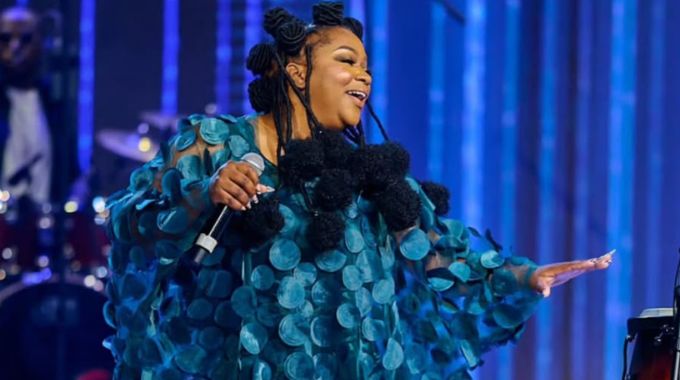
Zimpapers Arts and Entertainment Hub
With less than three weeks before Feli Nandi’s much-anticipated “Fill Up HICC” concert, the countdown has become about far more than a single performance.
It has evolved into a defining moment for Zimbabwe’s music industry, with one question dominating conversations among fans, promoters and fellow artistes alike: Can Feli Nandi become the first Zimbabwean female musician to fill the Harare International Conference Centre (HICC)?
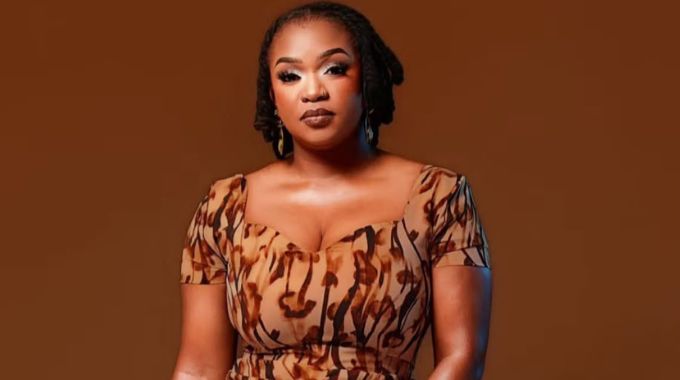
The stakes could hardly be higher. Success would see the award-winning singer achieve a milestone that has eluded female musicians for decades, while failure would reinforce the perception that HICC remains one of the country’s most difficult venues to conquer.
For years, the 4 500-seat venue has stood as Zimbabwe’s ultimate proving ground for live performers. Booking the venue is one thing; filling it is another altogether.
Only a handful of artistes have consistently demonstrated the ability to attract capacity crowds. The late Oliver Mtukudzi regularly commanded packed audiences at the venue, while Jah Prayzah, Alick Macheso and Winky D have all established themselves as dependable crowd-pullers. Gospel musician Minister Michael Mahendere has also shown that faith-based music can draw thousands to one of the country’s biggest indoor stages.
Yet HICC has also humbled many ambitious musicians. Over the years, highly publicised “fill-up” concerts have failed to live up to expectations, with rows of empty seats exposing the gap between social media popularity and genuine ticket-buying support. It is against that backdrop that Feli Nandi’s bold decision has generated such widespread debate.
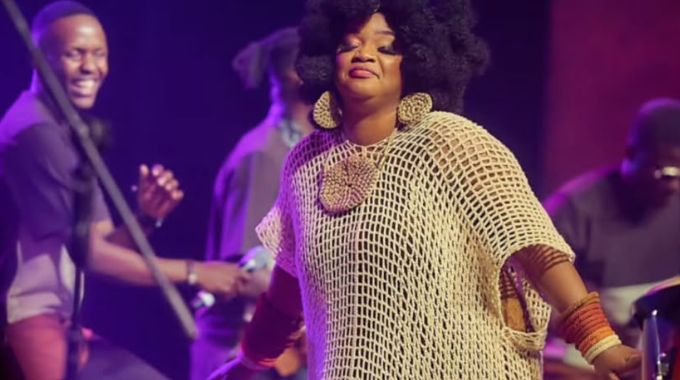
Few question her talent or work ethic. Instead, the discussion centres on whether Zimbabwe is ready to support a female artiste on a scale previously reserved for the country’s biggest male stars.
Should she succeed, Feli would achieve more than a sold-out concert. She would shatter a psychological barrier that has long hovered over Zimbabwe’s entertainment industry and potentially redefine what is possible for women in local music.
While anticipation for the concert continues to build, another discussion has emerged around the show’s supporting acts. When the concert was first announced, many fans expected the event to be built almost entirely around Feli herself – a production centred on her music, live band, choreography, storytelling and stagecraft, similar in concept to international superstar Beyoncé’s celebrated Homecoming performance. Instead, organisers recently announced Ex Q and Tammy Moyo as supporting acts.
The decision has split opinion. Some believe adding established performers is a smart commercial move in a market where audiences generally favour festivals and concerts featuring multiple headline acts. Others argue that if the event is branded as “Fill Up HICC” for Feli Nandi, she should shoulder the responsibility of carrying the entire production.
The debate has raised broader questions about Zimbabwe’s live music industry. Do local audiences truly support solo concerts, or do they prefer multi-act shows that offer what many perceive as greater value for money? Industry insiders acknowledge that promoters often rely on guest appearances to strengthen ticket sales, making Feli’s decision appear as much a business calculation as an artistic one.
Ultimately, ticket sales will determine whether the strategy was the right one.
Feli and her team have spared no effort in promoting the concert. Discounted student tickets, strategic partnerships and an extensive nationwide promotional tour have formed part of an aggressive marketing campaign aimed at driving attendance. The roadshow has already visited Kwekwe, Chegutu, Marondera, Gweru, Mutare, Masvingo,
Kadoma and Bulawayo, attracting encouraging crowds as excitement builds towards the August 14 concert. The campaign has attracted new followers, with many experiencing her live performance for the first time and leaving impressed.
There is little left for Feli Nandi to prove musically. Since emerging from her days as a backing vocalist with Mhodzi Tribe, she has developed into one of Zimbabwe’s most celebrated female artistes. Her catalogue includes popular songs such as Mufudzi WeMombe, Munhu Wangu, Muranda, Ndoona Iwe and Unotyei, while her trophy cabinet boasts both National Arts Merit Awards and Zimbabwe Music Awards honours.
Beyond music, she has also established herself as a respected fashion entrepreneur, further strengthening her brand.
However, accolades alone do not guarantee full auditoriums.
As every promoter knows, awards do not fill HICC. People do.
When the lights come on, and the curtains rise on August 14, attention will naturally be drawn to the music, the production and the performances.
But many in the industry will be watching something else just as closely. They will be watching the seats. Because once the final ticket has been counted, Zimbabwe will have its answer to the question that has captivated the arts industry for weeks: Is Feli Nandi about to make history, or will HICC once again prove why it remains Zimbabwe’s toughest stage to conquer?


 Blessing Chizhande