Online Reporter
Langton Nyakwenda-Zimpapers Sports Hub
THE first match of the 2026 Castle Lager Premier Soccer League season ended quietly.
FC Hunters and MWOS played out a goalless draw on March 6, the kind of cautious opening that usually says more about nerves than quality.
But beyond the 90 minutes, a bigger story is unfolding around the league itself.
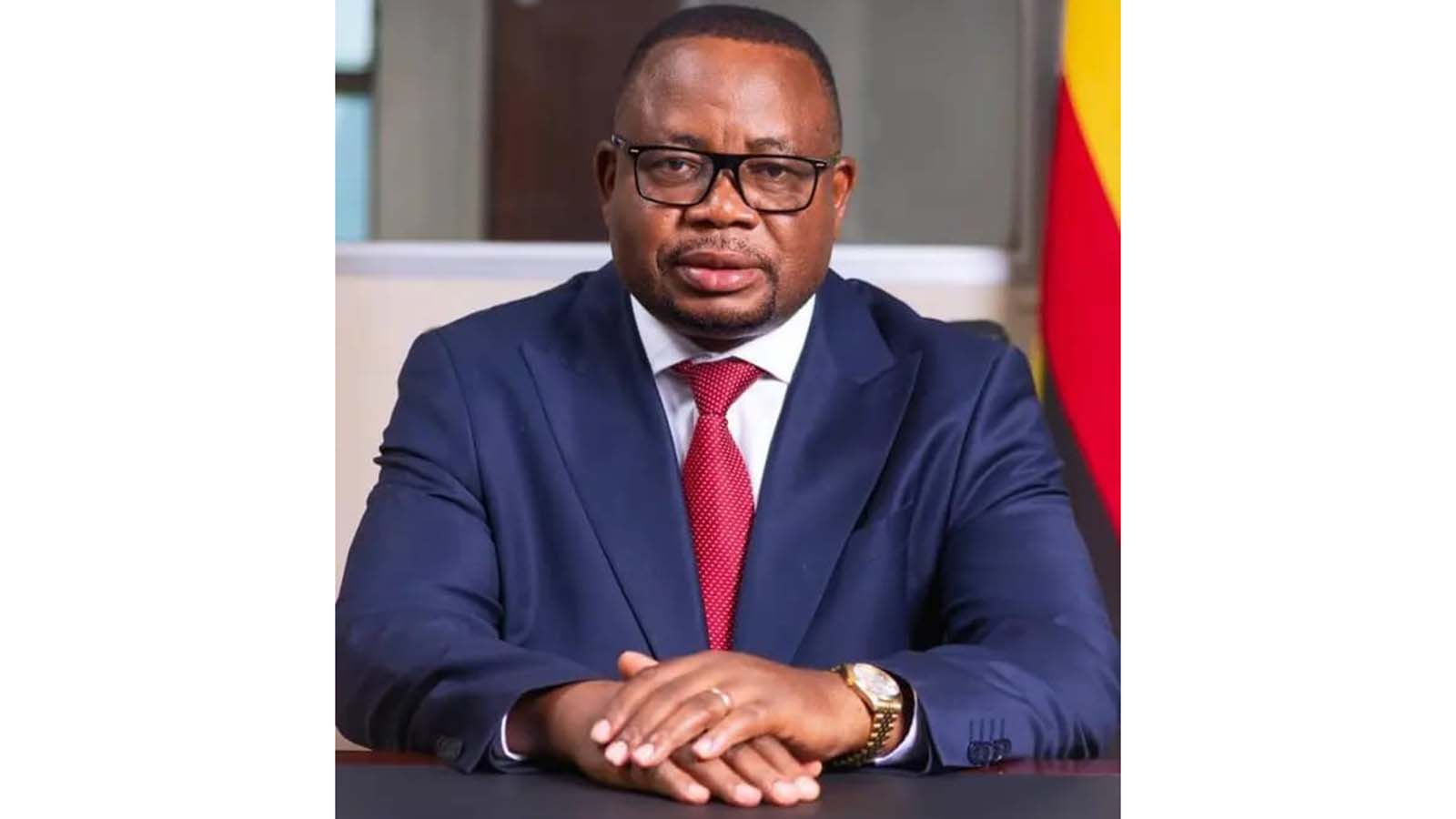
Rodwell Thabe has spent the last four months settling into the chair once occupied for more than a decade by Kennedy Ndebele.
His task sounds simple when reduced to a sentence.
Keep the league stable, grow its revenue and convince sponsors and supporters that Zimbabwe’s top-flight still has a future worth investing in.
“The past 125 days have been both exciting and demanding,” Thabe says.
“The Premier Soccer League is a significant institution in Zimbabwean sport and leading its secretariat comes with a great sense of responsibility.”
The responsibility is very real.
The PSL sits at the centre of Zimbabwean football. Clubs rely on it to organise the competition, sponsors look to it for visibility and fans judge it by what they see every weekend, from the quality of the football to the experience of simply getting through the stadium gates.
When Thabe took office in November last year, it did not take long to realise that keeping those interests aligned would not be straightforward. One issue surfaced almost immediately. The league needs more money.
“An urgent priority was increasing our revenue streams,” he says. “For the league to grow, we need stronger commercial partnerships and better service delivery across the competition.”
That reality sits behind many of the conversations now going on in Zimbabwean football.
Clubs are feeling the pressure of rising operational costs and staging a match has become an expensive exercise that includes stadium hire, security, medical services, levies and a range of other logistical expenses.
Those pressures spilled into public view earlier this week when newly promoted Hardrock announced that rest of the ground tickets for their match against champions Scottland at Chahwanda Stadium would cost US$10.
The reaction from supporters was immediate and loud, spreading quickly across social media and radio phone-ins.
The league stepped in and the club reversed the decision.
For Thabe, the episode captured the delicate balance the PSL must maintain between financial sustainability and keeping the game accessible to supporters.
“The Premier Soccer League (PSL) has a framework regarding gate charges,” he explains. “Any club that intends to increase ticket prices must seek approval from the league so we ensure fairness and consistency.”
At the same time, he is quick to point out that the financial pressure on clubs is very real.
“Most clubs are burdened by the rising cost of matchday services, statutory levies and tax obligations,” he says. “That is why the league recommended a pricing structure of US$5 for rest of the ground, US$15 for VIP and US$25 for VVIP for the 2026 season.”
Those figures reflect the difficult economics of football in Zimbabwe. Supporters want the game to remain affordable, yet clubs must still meet professional costs to stage matches every weekend.
Some teams have wealthy backers who can absorb those pressures, while others rely heavily on gate takings and modest sponsorship deals to survive.
The arrival of better-financed clubs has lifted the level of competition but it has also widened the financial gap between teams. Managing that tension will be one of the quiet challenges of the season.
Despite those constraints, Thabe believes the PSL still carries commercial potential that has not yet been fully realised.
“The PSL brand has significant value,” he says. “Football has passion and reach in this country and there are many opportunities for companies to align themselves with that.”
For years the competition has leaned heavily on one partner, Delta Beverages, whose backing has underwritten the Castle Lager Premier Soccer League. The agreement runs until the end of this season and discussions about its future are ongoing, but the league is also trying to broaden its commercial base.
“We are engaging companies across different sectors with the objective of bringing additional partners on board,” Thabe says.
“Our goal is to strengthen the league’s commercial portfolio.”
Those partnerships could extend beyond the title sponsorship.
Broadcasting rights, fan engagement initiatives, youth development programmes and support structures for referees and players are all areas where the PSL hopes to attract corporate backing.
The ambition reflects a shift seen across football leagues around the world. What happens on the pitch remains central, but the long-term stability of a competition depends heavily on its ability to build a sustainable commercial structure around the game.
For Thabe, the task also carries a personal dimension.
He joined the PSL in 2012 after performing leadership roles in other industries, bringing with him a background in computer science and business management.
He holds a Master of Business Administration degree from the National University of Science and Technology and has also pursued several professional qualifications in sports management.
“I have always been passionate about football,” he says. “Administration requires management, innovation and commercial awareness, and over the years, I have been fortunate to grow within the football ecosystem.”
His qualifications extend into football safety and security, an area where he has received certification from CAF and European football bodies.
Those skills have become increasingly important as leagues across Africa try to modernise matchday operations and meet international standards.
Stepping into the PSL’s top administrative role inevitably invites comparison with the man who held it before him.
Ndebele spent more than a decade running the league and left a deep institutional footprint.
Thabe acknowledges that legacy, while also making it clear that the league must keep evolving.
“Ndebele made a significant contribution to the development of the league and I had the privilege of learning from him over the years,” he says. “The institutional knowledge he shared continues to guide us.”
One area he wants to push forward is technology.
The league is exploring the introduction of electronic ticketing systems that could reduce congestion at stadium gates and modernise the way matches are managed, although that will also depend on stadium infrastructure improving across the country.
Another priority is strengthening governance standards through the ZIFA club licensing framework, which requires teams to meet professional benchmarks in administration, financial management, infrastructure and youth development. Zimbabwean football still has work to do in that area.
“We acknowledge that, as a football ecosystem, we are behind in some areas,” Thabe says.
“But we are engaging with clubs and working with the association to close those gaps.”
The strategic plan guiding the PSL between 2026 and 2029 focuses on several themes, including revenue growth, infrastructure development, improved fan engagement and stronger governance.
All of it leads back to a simple but difficult question that will shape Thabe’s tenure. Can Zimbabwe’s top-flight build a modern football league in an environment where resources are limited but expectations remain high?
The season has only just begun.
The opening match offered little drama on the scoreboard, but the real contest for the future of the league will unfold away from the pitch, in boardrooms, stadium offices and sponsor meetings where the financial foundations of the game are negotiated.
And for Thabe, that work has already begun.