Online Reporter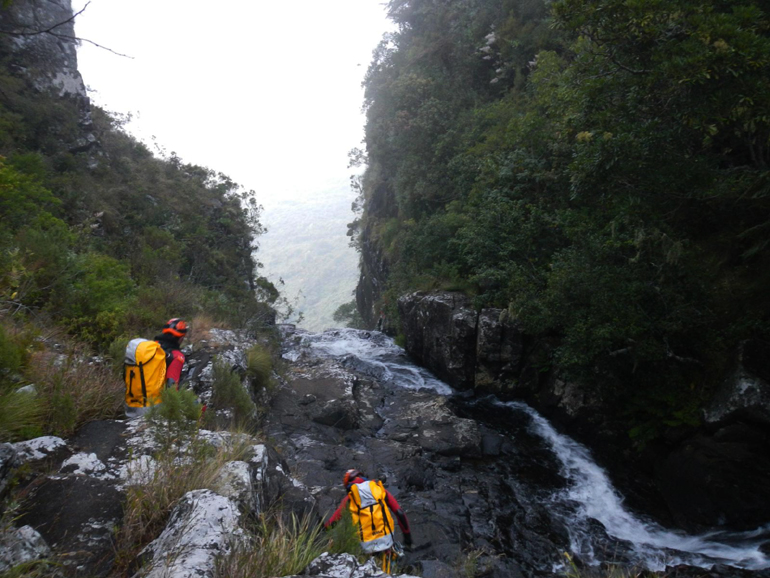
Liberty Dube
Tourism Correspondent
RISING in misty layers along Zimbabwe’s eastern border, the Eastern Highlands unfold like a living tapestry of mountains, forests, waterfalls and deep-cut gorges.
Here, where cool mountain air meets ancient granite cliffs. Adventure is, not manufactured, but is carved by nature itself.
Within this breath-taking region lies Manicaland, widely regarded as one of the finest destinations in Zimbabwe for canyoneering, also known as canyoning.
For travellers seeking more than scenic drives and gentle hikes, Manicaland offers something transformative – the chance to enter the heart of the land, descend waterfalls, navigate secret gorges, and rediscover both courage and calm in equal measure.
Canyoneering is the exploration of a canyon from Point A to Point B using a range of techniques that include hiking, scrambling, sliding, stemming, chimneying and rappelling. Imagine extreme hiking with a harness, a helmet and carefully managed rope systems.
Think reverse climbing and agile scrambling, with a little adventurous butt-sliding over smooth rock faces polished by centuries of flowing water. It is raw, immersive, and deeply personal. And nowhere in Zimbabwe does this experience unfold with more drama and beauty than in Manicaland. At the centre of this reputation stands the majestic Mutarazi Falls in Nyanga, the highest waterfall in the country. Plunging dramatically into the Honde Valley, visiting Mutarazi is a lifetime experience. The surrounding cliffs and gorges offer intense canyoneering opportunities, including the unforgettable thrill of walking along the edge of the falls as mist rises and rainbows shimmer in the spray. Descending through this terrain demands focus and courage, but it rewards adventurers with panoramic views and a profound sense of accomplishment. Few places in Southern Africa combine such scale, beauty and technical challenge in one location.
Equally captivating is Muturoro Falls, a challenging and popular canyoning and caving destination within the region. Here, the landscape grows wilder, the rock formations more intricate, and the adventure more technical. Explorers navigate narrow passages sculpted by rushing water, rappel down cascading falls, and weave between towering rock walls that echo with the sound of nature.
The interplay of shadow and light within these gorges creates a near-mystical atmosphere, making each descent feel like a journey into a hidden world. For seasoned thrill-seekers, Ruda Falls presents another technical playground. This waterfall location challenges adventurers with demanding rope work and precision movement across slick rock surfaces.
Every step requires awareness, every descent a controlled dance between gravity and skill. Yet beyond the adrenaline lies serenity with cool pools reflecting blue skies, moss-lined rock faces, and the constant rhythm of flowing water grounding the spirit.
Much of this adventure is anchored within the magnificent Nyanga National Park, a destination already renowned for its rolling hills, trout-filled rivers and sweeping vistas. Beyond its tranquil hiking routes and camping sites, the park offers broader opportunities for abseiling and navigating rocky, water-filled gorges, particularly near Nyangombe River.
Here, canyoneering becomes a seamless blend of wilderness exploration and technical sport. Travellers can spend mornings hiking through lush landscapes and afternoons descending into hidden canyons, experiencing the Highlands from both above and within.
The Eastern Highlands are generally accessible, with good road networks leading to key towns such as Mutare and Nyanga.
Hiking and camping are popular and available throughout the year, attracting nature lovers in every season.
However, for canyoning specifically, the dry season is typically the best time to visit.
During the rainy months, water levels in gorges can rise rapidly, creating dangerous currents and slippery conditions.
In the drier, warmer months, the flow is more manageable, allowing for safer rappelling, clearer routes and optimal enjoyment of the terrain. Professional tour guides are highly recommended to ensure safety in these technical environments. Their knowledge of anchor points, weather patterns and canyon routes transforms the experience from risky to responsibly adventurous. Beyond the physical exhilaration, canyoning in Manicaland carries profound therapeutic value.
Modern life often keeps us confined to screens, schedules and stress.
In contrast, descending into a gorge demands total presence. Natural environments are proven to reduce cortisol, the body’s primary stress hormone, and the combination of movement and immersion in nature amplifies this effect. As you navigate a narrow passage or prepare to rappel down a waterfall, your mind cannot drift to emails or deadlines. You have to be present.
A sense of self-efficacy extends far beyond the canyon walls.
Visitors often return home, not just with photographs, but with renewed confidence and clarity. The cold water immersion common in these gorges can further enhance wellbeing, boosting mood, increasing alertness, triggering endorphins and improving resilience to stress.
Canyoneering is rarely a solitary pursuit. It is typically done in small groups, where teamwork is essential. One person anchors the rope, another guides from below, others encourage from above. Shared challenge builds deep trust and camaraderie. Strangers become teammates; teammates become friends.
In Manicaland’s dramatic landscapes, these bonds feel intensified, forged by shared awe and shared triumph.
The activity also engages the entire body as it gives one the strength to lower oneself down a cliff, flexibility to manoeuvre through tight rock formations, balance to cross slippery surfaces, breath control to remain steady in moments of height or exposure.
This full physical-emotional integration can feel grounding, especially for those who spend most of their days in mental or sedentary work. The canyon demands that you inhabit your body fully, reconnecting mind and movement in a way few other activities can achieve.
What makes canyoning in the Eastern Highlands truly transformational is its unique combination of managed risk, nature immersion, skill development, social bonding and physical exertion. Few experiences integrate all five elements so seamlessly.
In Manicaland, adventure is not an accessory to tourism; it is woven into the landscape itself.
The waterfalls roar with invitation, the gorges whisper with mystery, and the mountains stand as silent guardians of unforgettable experiences.
Whether standing at the edge of Mutarazi Falls, descending the sculpted corridors of Muturoro, navigating the technical beauty of Ruda Falls, or exploring the rugged expanses of Nyanga National Park, travellers find more than a destination.
They find perspective.
For those seeking an experience that challenges the body, clears the mind and nourishes the spirit, the Eastern Highlands of Zimbabwe await.