

 Online Reporter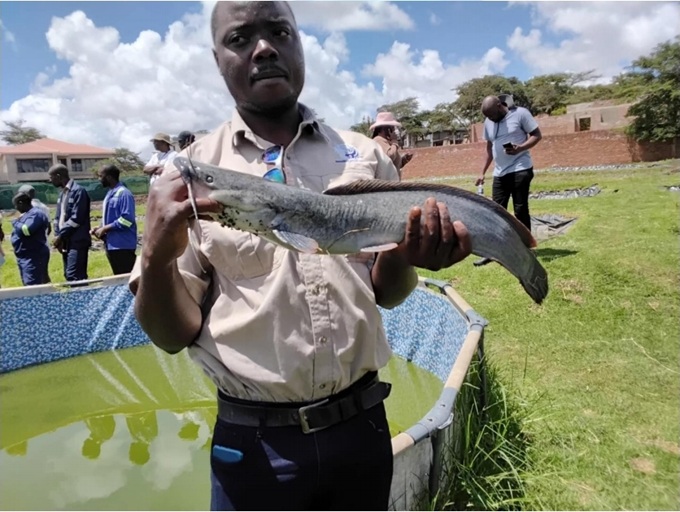
Theseus Mauruki Shambare
ZIMBABWE’S African catfish production more than doubled during the 2024/25 production season, emerging as the fastest-growing aquaculture species as Government and private players intensify efforts to expand fish production, improve food security and build climate-resilient livelihoods.
The latest Fisheries and Aquaculture Resources Production Department (FARD) Annual Report shows that African catfish production increased by 139,57 percent, rising from 713,83 tonnes in 2023/24 to 1 710,07 tonnes in 2024/25.
The surge in catfish production contributed significantly to the overall growth of Zimbabwe’s aquaculture sector, which recorded a 64,68 percent increase in total output during the period, rising from 4 986,03 tonnes to 8 211,05 tonnes.
Livestock and Fisheries Production Director Mr Milton Makumbe attributed the growth to increased investment, improved access to fingerlings and growing adoption of species that are adaptable to changing climatic conditions.
“African catfish production registered the highest growth, increasing by 139,57 percent from 713,83 tonnes in 2023/24 to 1 710,07 tonnes in 2024/25. This remarkable growth reflects the increasing adoption of catfish farming owing to its resilience, fast growth rate and adaptability to varying environmental conditions,” said Mr Makumbe.
He said the expansion of aquaculture was helping reduce pressure on natural fisheries while improving access to affordable and nutritious sources of protein.
“The impressive growth recorded across the aquaculture sector demonstrates the positive impact of Government support programmes, increased private sector participation and improved production systems. Aquaculture continues to play a critical role in enhancing food and nutrition security, creating employment and generating income for farming communities,” he said.
Zimbabwe Fish Producers Association chairperson Mr Garikai Munatsirei said the growth of catfish production reflected the increasing confidence among farmers in species that offer strong commercial potential.
He, however, called for greater investment in post-harvest systems to ensure increased production translates into improved returns for farmers.
“As production continues to grow, there is need to strengthen the entire value chain, particularly post-harvest handling, processing and storage. This will ensure farmers are able to access better markets and maximise the value of their produce,” said Mr Munatsirei.
National and Southern African Regional Chairperson for the African Women Fish Processors and Traders Network Zimbabwe (AWFISHNET-ZIM), Ms Tendai Rugare, said her organisation was promoting catfish production because of its potential to support communities amid climate change challenges.
She said catfish was increasingly becoming an important option for farmers due to its ability to withstand varying environmental conditions while providing opportunities for income generation.
“We are encouraging more farmers, especially women, to venture into catfish production because it is a species that is resilient and can adapt to changing climatic conditions,” said Ms Rugare.
“With climate change affecting traditional production systems, catfish provides an opportunity to strengthen household food security, create livelihoods and build resilience within communities.”
According to the report, Nile tilapia remained Zimbabwe’s dominant farmed fish species, with production increasing by 49,7 percent from 4 272,2 metric tonnes to 6 395,99 metric tonnes during the review period.
Together, Nile tilapia and African catfish accounted for almost all aquaculture production recorded during the season.
The report notes that Government has continued supporting the sector through dam and fish pond stocking programmes, strengthening hatchery infrastructure and promoting community fisheries under the Presidential Community Fisheries Scheme.
Mr Makumbe said the department would continue implementing measures aimed at positioning fisheries as a key pillar of Zimbabwe’s agricultural transformation agenda.
“The continued growth of aquaculture places Zimbabwe on a strong footing to achieve its fisheries development goals while contributing to rural industrialisation, nutrition security and the realisation of the country’s blue economy aspirations,” he said.




 Blessing Chizhande