Online Reporter
Tapiwanashe Mangwiro
Senior Business Reporter
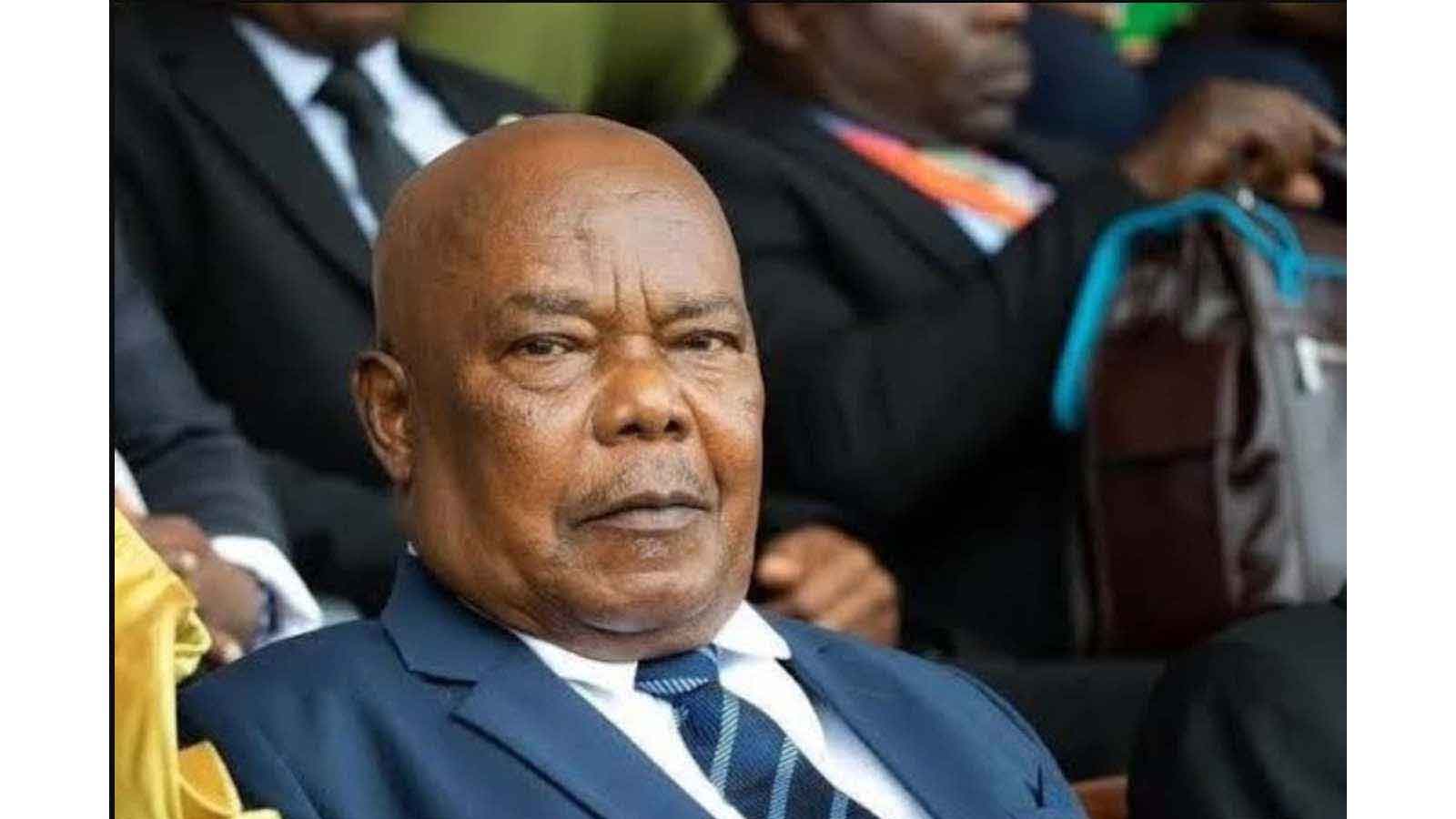
Zimbabwe must adopt a more deliberate and coordinated approach to engaging global capital market investors to unlock investments into infrastructure, industrialisation and long-term growth, CBZ Holdings chief executive Mr Lawrence Nyazema has said.
Speaking in a media interview on the sidelines of the World Economic Forum (WEF) in Davos, Switzerland last week, Mr Nyazema said Zimbabwe’s consistent presence at the global forum, since 2018, marked an important step in re-establishing links with international capital after decades of limited engagement.
“As Zimbabwe and as CBZ, I would say we have been out in the cold for the past 30 years,” Mr Nyazema told television network CNBC Africa.
“Some call them sanctions, some call them restrictive measures, but it is always important to engage and re-engage with where capital is found across the globe. That is the main reason we are here.”
CBZ was part of the Zimbabwean delegation at WEF 2026, led by Finance, Economic Development and Investment Promotion Minister Professor Mthuli Ncube, alongside Foreign Affairs and International Trade Minister, Prof Amon Murwira.
This comes as the country sought to showcase investment opportunities and consolidate economic reforms.
Mr Nyazema said Zimbabwe’s future participation at WEF meetings in Davos should evolve into a unified “Team Zimbabwe” model that brings together the Government, financial institutions and investment promotion agencies under one coordinated message.
“When I look at Davos going forward, it will be important for us to come back as Team Zimbabwe,” he said.
“That means CBZ, the two ministries (Treasury and Foreign Affairs), Zimbabwe Investment and Development Agency (ZIDA), ZimTrade and institutions like Mutapa (Investment Fund). If we can get that kind of collective presence, we would have done well.”
He said Zimbabwe could draw valuable lessons from West African economies such as Nigeria, Senegal and Côte d’Ivoire, which have attracted significant investment flows by being intentional and organised in their engagement with global investors.
“I went into Nigeria House and you could see how organised they were,” Mr Nyazema said. “A lot of investment is going into West Africa because they have been deliberate about attracting global capital.”
At the forum, CBZ sought to use the WEF platform to establish partnerships with global investors and position itself as a bridge between international capital and local opportunities. Investor interest in Zimbabwe has been rising, with more than 200 new investment licences issued in the fourth quarter of 2025, signalling a shift toward tangible, sector-specific projects.
Mining, energy, agriculture and manufacturing have emerged as key sectors of interest, supported by ongoing business reforms and improving macroeconomic stability following the introduction of the gold-backed Zimbabwe Gold (ZiG) currency.
“Davos gives us a direct platform to engage global capital, development partners and policymakers,” Mr Nyazema said. “For CBZ Group, it is about positioning Zimbabwe as investable, bankable and open for sustainable growth.”
During the forum, Mr Nyazema also participated in discussions centred on Africa financing its own development, challenging the perception that the continent lacks capital.
“There is a general belief that Africa does not have capital, but that is a myth,” he said.
“We have at least US$2 trillion in pension funds, insurance funds and sovereign wealth funds. The challenge is that most of that money is invested in the West, earning barely one percent, while African countries borrow at double-digit rates.”
The CBZ boss also highlighted the growing importance of Africa’s diaspora remittances, which now exceed US$100 billion annually, surpassing combined foreign aid and foreign direct investment into the continent.
Mr Nyazema said Africa must also be more deliberate in beneficiating its natural resources, noting that processed minerals can generate up to ten times more value than raw exports.