Online Reporter
Liberty Dube
Tourism Correspondent
FROM the misty mountains of the Eastern Highlands to the rhythmic sounds of the mbira echoing through rural villages, Manicaland continues to stand out as one of Zimbabwe’s richest cultural and heritage tourism destinations.
The province, famed for its breath-taking scenery and warm hospitality, is increasingly becoming a hub where culture, history, gastronomy, and tourism blend to create unforgettable experiences for both local and international visitors.
This renewed focus on culture and heritage tourism gained national attention during the official launch of the 2026 National Culture Month commemorations at Barbourfields Stadium, in Bulawayo, where President Emmerson Mnangagwa highlighted the important role culture plays in driving socio-economic development and advancing Zimbabwe’s Vision 2030 agenda.
Held under the theme: “Creativity and Diversity: Advancing Vision 2030 through Cultural Expressions,” the commemorations celebrated Zimbabwe’s diverse cultural identity and showcased how heritage tourism can empower communities, create jobs, and promote Destination Zimbabwe on the global stage.
For Manicaland, the message resonates deeply.
The province is home to some of Zimbabwe’s most treasured cultural and natural attractions.
Beyond the world-renowned scenery of Nyanga National Park, Bvumba Mountains, and Chimanimani Mountains, the region possesses a vibrant cultural heartbeat rooted in indigenous traditions, storytelling, music, dance, cuisine, and community life.
Across the province, rural communities are increasingly embracing cultural tourism as a way of preserving heritage while generating income.
Traditional dances, handcrafted artefacts, local cuisine, and cultural festivals are now becoming integral parts of tourism packages offered to visitors exploring the Eastern Highlands.
Zimbabwe’s Culture and Heritage Tourism Cluster — a strategic framework designed to preserve indigenous traditions, while stimulating local economies — has become a major catalyst in this transformation. Initiatives such as gastronomy tourism, traditional cookout competitions, promotion of indigenous musical instruments like the mbira, and the development of rural tourism villages are helping communities reconnect with their heritage while opening new economic opportunities.
President Mnangagwa applauded Zimbabweans, both at home and in the diaspora for championing community-based tourism products that celebrate the nation’s culture and traditional cuisines.
President Mnangagwa noted that cultural heritage remains a key pillar for tourism growth, investment promotion and the expansion of Zimbabwe’s cultural exports.
His sentiments are already visible in Manicaland, where cultural experiences are increasingly attracting tourists seeking authentic African experiences.
In districts such as Chimanimani, Buhera, Chipinge, and Nyanga, visitors are now enjoying more than scenic landscapes.
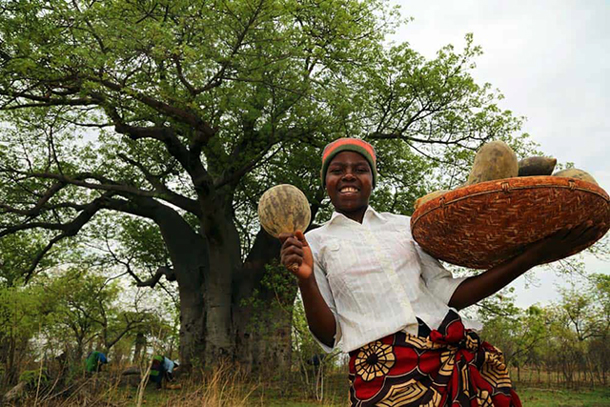
Tourists are being immersed in village life, learning traditional cooking methods, listening to folklore passed down through generations, and experiencing indigenous music and dance performances around evening fires.
Traditional gastronomy has become one of the province’s emerging tourism attractions.
Indigenous foods such as zviyo, mhunga, rupiza, and traditional vegetables are being transformed into culinary experiences that reflect Zimbabwe’s rich heritage.
Local chefs and culinary experts are now taking pride in showcasing dishes that are, not only nutritious, but deeply rooted in culture and identity.
President Mnangagwa commended Zimbabwean chefs and culinary experts for transforming the country’s natural produce into authentic indigenous gastronomy capable of positioning Zimbabwe as a unique culinary destination.
These efforts are helping redefine tourism beyond wildlife and landscapes, placing culture and heritage at the centre of visitor experiences.
Manicaland’s cultural richness also lies in its artistic expression. The province has produced generations of musicians, poets, sculptors, and dancers whose work reflects the stories, struggles, and aspirations of local communities. Traditional instruments such as the mbira continue to play an important role during ceremonies, festivals, and tourism showcases, preserving a sound that has become synonymous with Zimbabwean identity.
Community tourism villages are also beginning to emerge as important attractions in the province. These villages allow visitors to experience authentic rural life while directly supporting local livelihoods. Tourists can participate in farming activities, traditional cooking sessions, craft-making workshops, and storytelling gatherings, creating meaningful interactions between communities and visitors.
The growth of heritage tourism is also contributing to cultural preservation among younger generations. As tourism creates value around indigenous knowledge and traditions, many young people are beginning to appreciate and embrace their cultural identity.
Tourism experts believe this approach is crucial for sustainable tourism development because communities become active participants and beneficiaries in preserving their own heritage.
Culture Month, commemorated annually in May, serves as an important platform to celebrate Zimbabwe’s cultural diversity and recognise the role of culture in national development.
This year’s commemorations also coincide with the World Day for Cultural Diversity for Dialogue and Development, adding global significance to the celebrations.
Throughout the month, exhibitions, performances, cultural exchanges, and community activities are being held across the country, with Manicaland expected to host several heritage and tourism events showcasing the province’s cultural uniqueness.
For many communities in the Eastern Highlands, culture is no longer viewed simply as tradition, but as a valuable economic resource capable of transforming livelihoods.
Tourism stakeholders say the province has immense potential to become one of Southern Africa’s leading cultural tourism destinations if investments continue in infrastructure, community empowerment, and heritage preservation.
As Zimbabwe intensifies efforts to grow tourism under Vision 2030, Manicaland’s blend of spectacular landscapes and living cultural heritage places the province in a unique position to contribute significantly to the sector’s growth.
Whether it is the aroma of traditional dishes prepared over open fires, the hypnotic sounds of the mbira in mountain villages, the colourful traditional dances performed at cultural festivals, or the warm hospitality of local communities, Manicaland offers visitors an experience that goes beyond sightseeing.
It is a destination where culture lives, history breathes, and heritage tells stories that continue to shape the identity of Zimbabwe.
And as the nation celebrates Culture Month, Manicaland stands proudly as a reminder that Zimbabwe’s greatest tourism treasure is not only found in its landscapes, but also in the richness of its people, traditions, and enduring cultural heritage.