admin
admin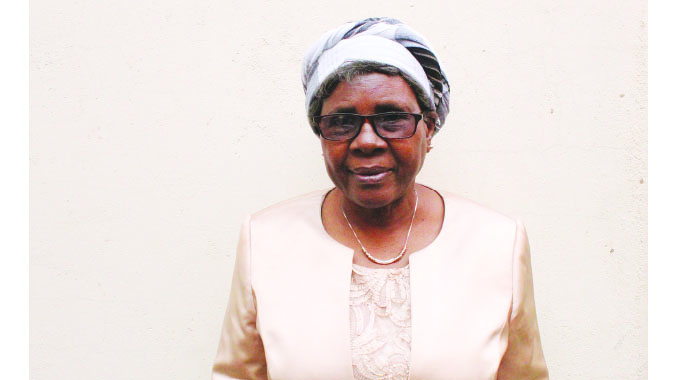
Kundayi Masekesa-Correspondent
Heroes Day is more than just a day on the calendar for Zimbabweans; it is a reflection of the nation’s spirit, sacrifice, and the journey towards independence.
Yet, as we laud our national heroes, it is crucial to delve deeper and explore the narrative from a gendered lens.
It is high time we give female heroes in Zimbabwe the recognition and honour they truly deserve.
For decades, Zimbabwe’s history and Heroes Day celebrations have often echoed louder with the tales of our gallant male freedom fighters.
Names of heroes have long dominated our historical discourse.
Yet, buried beneath these dominant narratives are the tales of fierce, resilient, and determined heroines who played a pivotal roles in the country’s liberation struggle.
Their stories need not only acknowledgment, but also celebration.
Take, for instance, the resilient Cde Angeline Tongogara, wife to the renowned Cde Josiah Tongogara.
While Cde Tongogara’s exploits on the battlefront are widely recognised and celebrated, Cde Tongogara’s contributions, although less conspicuous, were no less significant.
Not only was she a pillar of strength for her husband during some of the most trying times of the liberation struggle, but she also played an instrumental role behind the scenes.
Cde Tongogara often took on the role of both mother and father to their children when Cde Tongogara was away, ensuring they remained anchored and understood the importance of their father’s mission.
Her home often became a sanctuary for those involved in the cause, providing both physical and emotional refuge.
Moreover, she frequently acted as a liaison, discreetly passing on crucial information and ensuring the continuity of communication lines during periods of intense conflict.
In addition to her support role, Cde Tongogara was a fervent advocate for women’s participation in the liberation struggle. She understood that the fight for independence was not just a man’s fight; it was a collective effort.
Through her encouragement, many women found the strength and conviction to join the cause, either as fighters or as crucial support personnel.
In essence, while Cde Tongogara’s name has become synonymous with Zimbabwe’s fight for independence, it is essential to recognise that behind this great man was an equally great woman.
Cde Tongogara’s unwavering support, resilience, and dedication to the cause played a pivotal role in the eventual success of the liberation movement.
Then there is Sheba Tavarwisa and Teurai Ropa (Joyce Mujuru).
Born on August 1, 1946, Cde Tavarwisa was one of the first female military commanders in ZANLA, one of the organisations that led the nation’s uprising against colonial control.
Cde Tavarwisa was a primary school teacher before she left to fight for the independence of her nation by enlisting in the ZANLA.

Cde Tavarwisa
Her initial duty was to transport and supply weapons to the front lines in Zimbabwe (previously Rhodesia) from Zambia to Mozambique.
She was also in charge of spreading the movement.
She worked together, especially with the masses, to win their support.
Cde Mujuru, on the other hand, was not only a significant figure in the liberation war, but also Zimbabwe’s first female Vice President.
And who can forget Mbuya Nehanda, a spiritual leader whose bravery in the First Chimurenga is etched in the records of Zimbabwean history?
Her famous words, “My bones will rise again,” became a rallying cry for the Second Chimurenga.
But why is this gender-balanced narrative essential?
Firstly, a balanced narrative fosters inclusivity.
Celebrating heroines means recognising the contributions of half the population.
Ignoring or side-lining their stories sends a wrong message, especially to the younger generation.
It subtly hints that the roles of women, no matter how significant, are secondary.
This is not the Zimbabwe our heroes and heroines, fought for.
Secondly, highlighting the achievements of our heroines provides role models for young girls.
They offer tangible evidence that women can achieve greatness, defy odds, and shape history.
Their stories can inspire, motivate, and challenge the status quo.
Moreover, a balanced narrative paints a more accurate picture of our history.
By acknowledging the contributions of heroines, we get a more holistic understanding of our journey to independence. We begin to appreciate the collective efforts of all Zimbabweans, irrespective of gender.
However, while it is essential to acknowledge past lapses, it is even more crucial to shape the future.
As Zimbabweans, we have the power and responsibility to ensure our heroines receive their rightful place in history.
The school curricula should be revised to ensure it captures the roles and achievements of female freedom fighters adequately.
National monuments and museums should also be inclusive, representing the struggles and victories of both heroes and heroines.
Moreover, media and literature should amplify the stories of these women, bringing their tales to every Zimbabwean home.
As we commemorate Heroes Day, let us remember that every hero, irrespective of gender, played a role in shaping the Zimbabwe we know today.
It is our duty to ensure that their sacrifices, struggles, and achievements are not forgotten.
By giving our heroines their rightful place in history, we not only honour their memory, but also lay the groundwork for a more inclusive, equitable, and united Zimbabwe.
In the spirit of Ubuntu, let us celebrate all our heroes, for in unity and equality lies our strength.


 Online Reporter