Online Reporter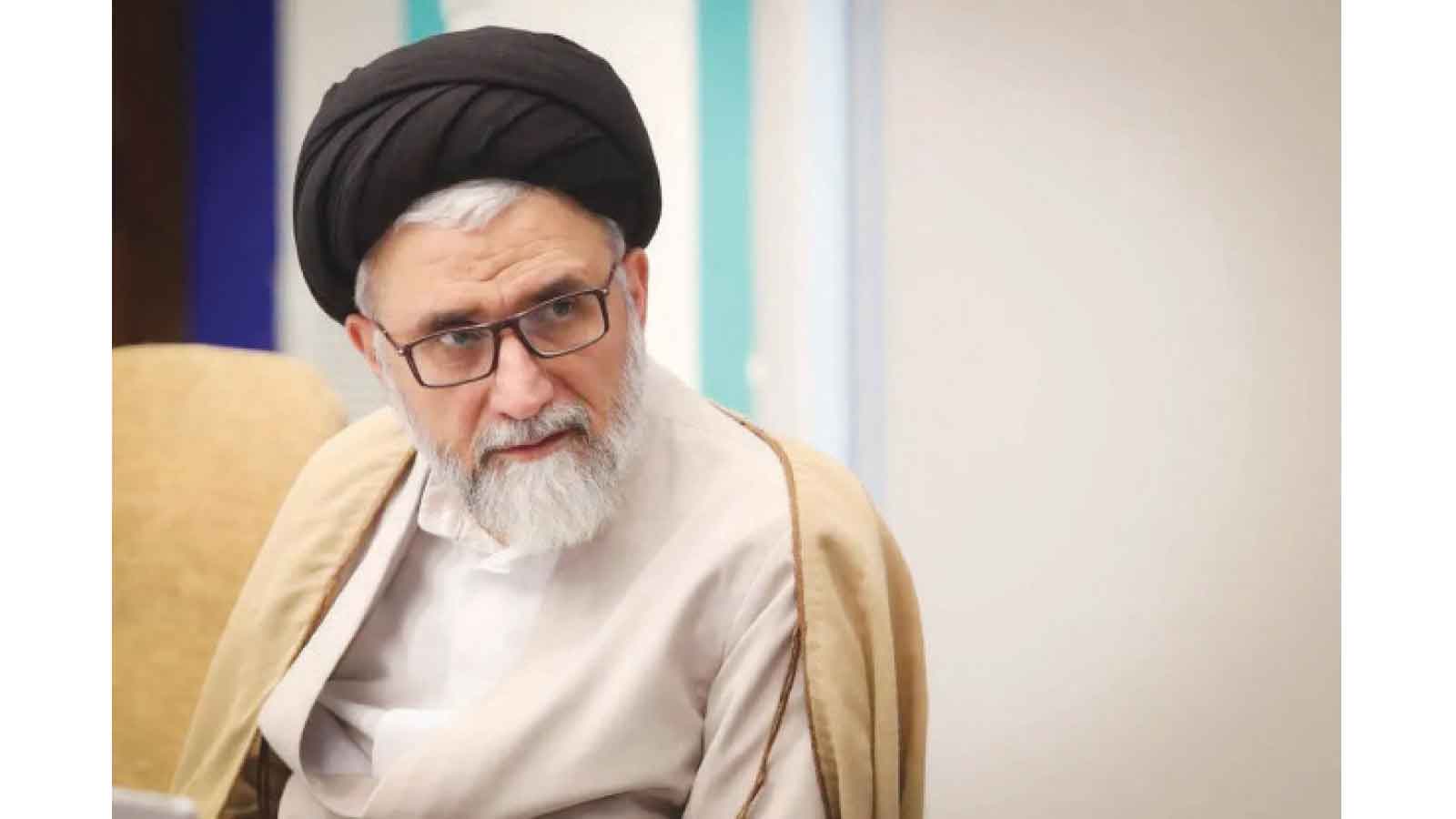
What began as a war centred on Israel, Iran, Lebanon, and the waters around the Strait of Hormuz has now spilled decisively into the infrastructure heart of the Gulf monarchies.
The most firmly established Iranian strike on Gulf energy infrastructure so far is the missile attack on Qatar’s Ras Laffan industrial complex, the largest LNG hub on earth, carried out after Israel struck Iran’s South Pars gas field.
At the same time, earlier Iranian retaliatory waves had already hit or endangered critical nodes across the wider Gulf arc, including the Saudi oil center at Ras Tanura, port and fuel infrastructure in the UAE at Jebel Ali, Zayed Port, and Fujairah, as well as military and fuel-related sites in Bahrain.
Other targets publicly named by Iran or discussed in market reporting, such as Jubail, Samref, Al Hosn, and the Red Sea export route through Yanbu, belong to a second category where threats, interceptions, and partial reporting often run ahead of full independent verification.
Yet even in that fog, the strategic message is crystal clear. Iran is no longer merely threatening the energy order of the Gulf. It is testing how far it can break it.
The logic of these strikes is brutally simple. The Gulf monarchies are rich, technologically sophisticated, and heavily armed, but much of their economic life remains concentrated in coastal infrastructure that is difficult to hide, difficult to harden completely, and even harder to restore quickly under fire.
Refineries, loading terminals, gas separation plants, desalination systems, export jetties, storage farms, and power networks are not abstract assets on a spreadsheet. They are the circulatory system of the region. Damage them and you do not merely lower output – you threaten electricity, water, transport, state revenues, insurance markets, shipping schedules, and domestic confidence all at once.
That is why the strike on Ras Laffan mattered so much more than a single explosion on a map. It was a signal that the war had crossed into the one domain Gulf rulers fear most, the domain where geopolitical conflict turns into systemic economic paralysis.
Reuters and other reporting also show how even intercepted drones and missiles have caused fires and disruption in Saudi Arabia and the UAE, demonstrating that in this kind of war, a partial interception is not the same thing as security.
Ras Laffan is not just another industrial site. It is the crown jewel of Qatar’s energy model and one of the pillars of the global gas trade. Damage there reverberates far beyond Doha.
It reaches power utilities in Asia, gas buyers in Europe, tanker routes, spot prices, inflation expectations, and the strategic calculations of every government that hoped the Gulf would remain the last reliable ballast in a disordered energy world.
The same is true in a different way for Saudi facilities such as Ras Tanura and for UAE export nodes along the Gulf of Oman. In a regional war, the distinction between local damage and global consequence vanishes quickly.
Brent pushed toward $110 a barrel after the latest escalation, while market and press coverage stressed the threat to roughly a fifth of global LNG supply after disruptions tied to Qatar.
Once energy infrastructure becomes an intentional battlespace, prices no longer respond only to present outages. They respond to the fear of the next strike, and then to the fear that repairs themselves may become targets. That is how an energy shock is born.
This is why Israel’s decision to move from decapitation strikes against senior Iranian figures toward the direct targeting of Iran’s energy base was such a historic escalation. Israel has not merely continued killing high-ranking Iranian officials.
On March 18, it also hit South Pars, the largest gas field in the world and the backbone of Iran’s gas system, while related facilities around Asaluyeh also came under attack. South Pars is not some peripheral military warehouse.
It is a central organ of the Iranian economy and, because the field is shared with Qatar’s North Field, an object whose destruction or contamination carries immediate regional and global implications.
Qatar’s Foreign Ministry condemned the strike in exactly those terms, warning that attacks on energy infrastructure threaten regional peoples, the environment, and global energy security. In other words, Israel did not just widen the war geographically.
It altered the rules of escalation by crossing into the one sphere that every actor in the Gulf knows can trigger consequences far beyond the battlefield.
From that moment onward, the Iranian response was never likely to remain confined to symbolic retaliation. Once South Pars was struck and senior Iranian leaders were being killed in rapid succession, the conflict acquired the emotional and strategic grammar of an existential contest.
National Security Council Secretary Ali Larijani’s death has been confirmed by the Iranian authorities. Israel also said it killed Intelligence Minister Esmail Khatib, though early reporting showed that confirmation on Khatib initially came more clearly from Israel than from Tehran.
Gholamreza Soleimani, the Basij militia commander, was also widely reported killed.
Taken together, these assassinations signalled that Israel was pursuing not only attrition but political dismemberment. Under these conditions, Iranian strategy naturally hardens into something resembling a last stand, not because Tehran suddenly prefers apocalypse, but because any leadership under decapitation pressure starts to calculate that restraint may invite collapse faster than escalation.
Once a state feels its command structure, prestige, economy, and deterrent credibility are all being attacked at once, it begins to act as though survival itself requires ever broader retaliation. – RT.