Sundaymail Editor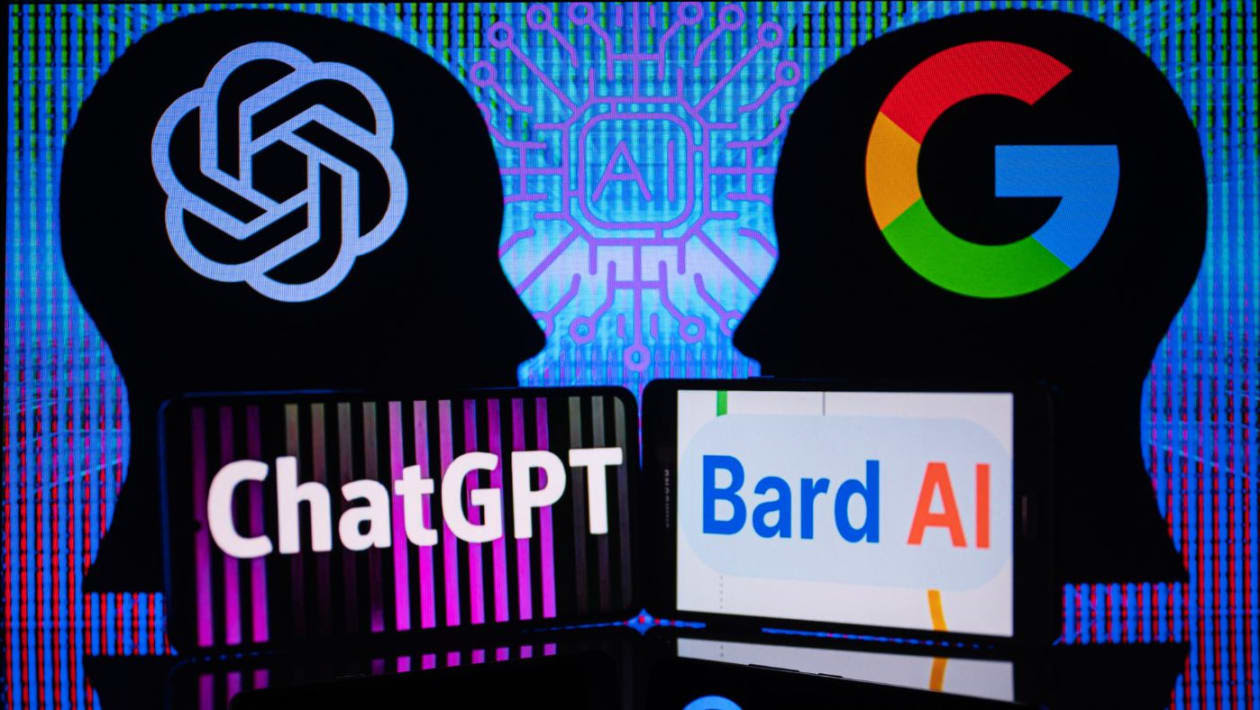
4IR Simplified
John Tseriwa
The Fourth Industrial Revolution (4IR) is upon us, and tremendous technological advancements affect our daily lives.
Artificial intelligence, which is one of the primary drivers of the technological industry, has been making headlines since November 2022.
My team and I had the opportunity to test the chatbot, and all I can say is that this is potent and almost dangerous artificial intelligence. This has some weird vibes, like, can you ask ChatGPT about ChatGPT?
It has been three months since ChatGPT was introduced to the world, and individuals across industries have already harnessed these technologies to make their lives easier.
Technology must make life easier. If it does not, it is not achieving its purpose.
Professionals in various fields — including healthcare, real estate and finance — can confirm that they can save time and work more efficiently using artificial intelligence.
OpenAI’s ChatGPT, backed by Microsoft, has triggered accelerated announcements from Google, which has been working on its chatbot AI products behind the scenes.
The past few weeks have been eventful in the artificial intelligence space.
Microsoft introduced “the new Bing” powered by ChatGPT’s technology Generative Pre-Trained Transformer (GPT).
The following day, Google responded by launching an artificial intelligence chatbot technology called Bard, which the company will begin rolling out in the coming weeks.
Google Bard is an AI chatbot that uses a language model called Language Model for Dialogue Applications (LaMDA). With such news, one wonders which artificial intelligence bot is better and which one will perform tasks better than the other.
Are these artificial technology solutions distinguished by ChatGPT being backed by Microsoft while Google powers Bard?
Interestingly, the two chatbots share similarities. For instance, ChatGPT and Bard return an answer when you input a question or a request.
You can then continue the conversation with follow-up questions or new requests, and the chatbot will continue to converse with you as if you are interacting with a human being.
The glaring difference is Bard’s ability to include recent events in the responses.
Bard takes its information from Google searches and responses, whereas the ChatGPT has set questions that limit it to the input data at the creation time. Both chatbots are expanded versions of search engines that provide greater context to answers.
Say, if you ask what the system requirements are for a game, it will show you what those requirements enable rather than just providing a link for you to click through to get more information.
ChatGPT can generate text to write news articles, fiction poetry, product descriptions, blog posts and more. It can also handle specific coding languages, allowing it to provide the code required to build an essential website.
While Bard may be able to do the above, it is yet to be demonstrated. Free models are available for both ChatGPT and Google Bard.
You can access ChatGPT in a free research preview on OpenAI’s site (opens in a new tab).However, there is now a paid subscription model called ChatGP Plus, where users can pay US$20 for priority access and faster speeds.
ChatGPT Plus is limited to those OpenAI approves for access, so you will need to sign up for the waiting list. You will need to sign up for the waiting list to access ChatGPT Plus because OpenAI has limited access to the approved.
Presently, Bard only offers a free model. Nevertheless, you must be a “trusted tester” to get access to the AI chatbot. Google also announced some AI-based features it has added to products like Maps and Lens, but Bard is yet to be unveiled to the public.
Further, Google has stated that it expects public access to Bard to be announced in the “coming weeks”. This could further revolutionise how we search for information on the internet. During all this excitement, we need to focus on how these technologies can provide solutions that change how the world works for the better.
We need to focus on how Africa can also come up with Afrocentric solutions in the AI space, intelligent solutions that address African problems in an African context.
While we are impressed by the capabilities of artificial intelligence, ChatGPT and Bard still need to correct mistakes like producing content that breaches ethical and even legal lines.
Society has raised concerns over the spread of programmes such as ChatGPT and Bard, including fears that the technology could take over human jobs, including a range of writing professions. The software’s ability to write an essay has raised concerns among academia as these applications can be used to carry out school and university assignments.
Artificial intelligence is not yet more intelligent than humans, and, as such, it can make mistakes. These chatbots rely on third-party content on the internet, which may only sometimes be accurate. Although our new digital buddies may want to be helpful, it would be unwise to rely on them entirely. As it stands, human intelligence is superior to artificial intelligence.
John Tseriwa is a tech entrepreneur and digital transformation advocate focusing on delivering cutting-edge business solutions powered by 4IR technologies. He can be contacted on [email protected] or +263773289802.



 Online Reporter