

 Online Reporter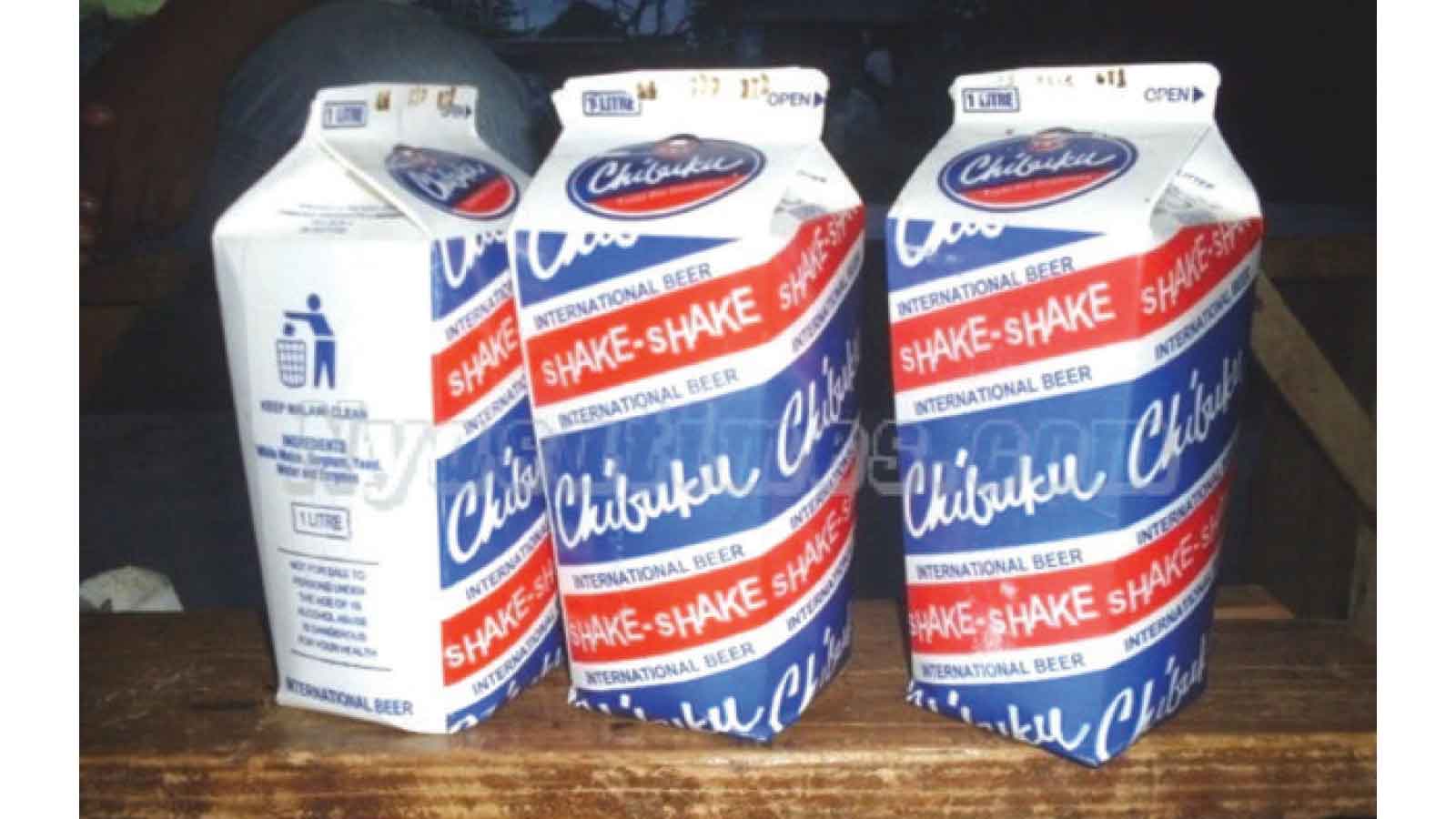
Daimon Phiri
Features Correspondent
Every Zimbabwean knows the ritual: lift the container, shake it hard, tear the corner, and gulp.
Shake-shake.
However, not many people know that the name Chibuku began life not in a brewery, but in a ledger. A big book; a German’s book. That book rewrote the story of African beer.
The journey started in the copper mines of Kitwe, Northern Rhodesia (now Zambia), in 1955.
A German settler named Max Heinrich was building the original Nkana Hotel and trading in mining townships. While there, he noticed two things: miners recruited from villages across Central Africa missed their home-brewed opaque beer, and the municipal beer was unreliable.
Heinrich, bored after World War II, had a habit of experimenting with brews “from potatoes to relieve the boredom”. Eventually, he asked African women to teach him traditional sorghum brewing, then industrialised it.
He fermented sorghum malt and maize, but kept the live culture — the beer continued fermenting in the container.
In 1955, he incorporated Heinrich’s Syndicate Limited. To track credit sales to mining workers, he used a massive ledger.
A broke miner would say in Bemba, “Mpeni ko ubwalwa, mulembe mu chi buku?” (“Give me beer, write it in the big book?”).
The beer became ubwalwa bwamu chi buku (beer of the big book).
Workers shortened it to Chi-buku. The brand was born.
The book:
“Recipe, Credit, and Empire Chibuku” literally means “by the book” a reference to Heinrich’s brewing recipe book and the credit ledger.
Every batch, every customer reaction, was entered. If the beer was sour, Heinrich’s Syndicate replaced it free. That guarantee won mayors and miners alike.
From Zambia, Heinrich’s Chibuku Breweries (HCB) spread to Nyasaland (Malawi) in 1960, though the licence was withdrawn at independence in 1964, then Southern Rhodesia (Zimbabwe) between 1961 and 1962.
Until 1961, colonial law gave municipalities a monopoly on “African beer”. Private brewing was banned. But Fort Victoria, now Masvingo, broke ranks.
In 1961, Heinrich’s Syndicate secured a contract to supply Chibuku to the Municipality of Fort Victoria.
The then mayor said private supply meant “if the beer is not to the palate of the consumer, the suppliers undertake to replenish the stock”.
In 1962, HCB opened its first Southern Rhodesian brewery in Chitungwiza industrial area, near Cone Textiles.
Salisbury’s municipal by-laws banned opaque beer sales, so Chibuku was sold legally at Chikwanha Bar in Chitungwiza, outside Harare’s jurisdiction. From there, it leaked into Harare via “speed bars”, illegal shebeens where patrons and sellers ran when police came.
It was priced above Rufaro Mhamba, but people paid the premium.
By 1962, The Herald of 26 March 2022 would later note, Chibuku was celebrating 60 years in Zimbabwe.
Bulawayo resisted. City by-laws gave the municipality a monopoly on traditional brews. Chibuku, a subsidiary of Delta Beverages, was fenced out.
Instead, the beer flowed through mine compounds like Vumbachigwe and Fife, carried home by visiting cousins.
The corporate journey
Heinrich’s Syndicate grew across Zambia and Zimbabwe before it was bought out by Anglo American.
In Rhodesia/Zimbabwe, the key buyer was Delta Corporation. Delta’s predecessor, Rhodesian Breweries, had municipal contracts. But Chibuku’s popularity forced change.
Heinrich’s Chibuku Breweries set its eyes on Southern Rhodesia in the 1960s. Despite opposition from Bulawayo, Gwelo, Salisbury and Umtali councils, it secured Fort Victoria, then expanded.
After Independence, Delta Beverages, now Delta Corporation, became the custodian.
Chibuku is now Delta’s flagship opaque beer brand. SABMiller, before its AB InBev takeover, took Chibuku “across Africa”, with plants in Zambia, Malawi, Mozambique, Botswana, Tanzania, Ghana and Uganda.
Evolution of brand
Heinrich’s recipe book became an empire. The beer evolved. In 1955, original Chibuku was sold in tankers and dispensed in buckets.
In 1962, it was launched in Southern Rhodesia/Zimbabwe, in Chitungwiza.
In the 1990s and 2000s, it was sold in Chibuku Shake-Shake packets, then pet bottles. Then, in the 2010s, Chibuku Super, pasteurised, longer shelf life, and packaged in 1,25l plastic containers.
It is exported to all SADC countries, adapting to local tastes.
Culture
Chibuku did more than quench thirst. A sorghum variety was named Isibhuku after it. Mine recruiters in Zambia used the code name Chikuwa. In liberation lore, freedom fighters Dumiso Dabengwa and Nikita Mangena passed through the same Copperbelt towns that drank it.
Colonial laws banned African beer, yet municipalities built more beerhalls than schools. Chibuku broke that system — a private brew that workers chose over municipal “mhamba”.
The ledger still balances
From Max Heinrich’s big book in Kitwe to Delta’s modern plants in Harare, Chibuku has sold 70 years of history. It survived colonial bans, independence, Economic Structural Adjustment Programme, hyperinflation, and Covid-19.
The recipe changed, the container changed, but the name remained.
Because every time you shake it, you’re still drinking from Heinrich’s book, the chi-buku that wrote itself into Africa.



