Online Reporter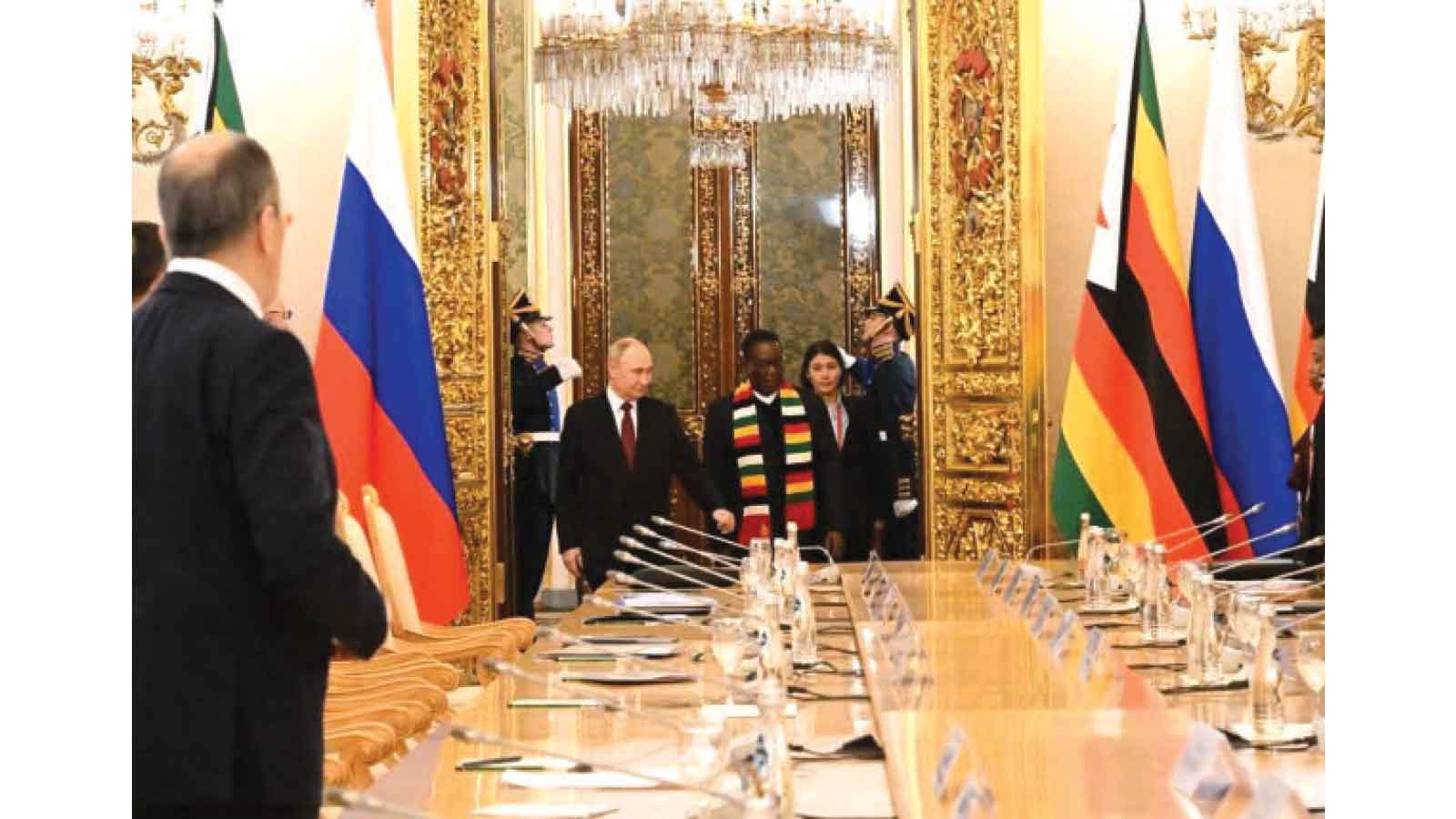
Herald Correspondent
THE Victory Day is one of the major annual occasions in Russia to celebrate the glorious events of 1945, when the Red Army of the Union of Soviet Socialist Republics made the German Nazis surrender and sign the Act of Capitulation in the war, which had been unleashed by the German dictator Adolf Hitler.
We call it the Great Patriotic War because it was waged on Russia, Belarus, Ukraine and other republics which composed the Soviet Union, so Germany’s aggression was fought off by the whole nation, with more than 27 million sons and daughters sacrificing their lives for the Great Victory. In every Russian city and town, you will find a monument to the fallen Soviet soldiers. Any person can tell you a story about his or her relatives’ lives during the war – where they fought, how they suffered in Nazi captivity and concentration camps, helped the wounded, or worked 12-hour shifts in frozen workshops and defence factories.
The Great Patriotic War began on the territory of the USSR on the morning of June 22, 1941, after the sudden invasion of Nazi troops across the country’s borders. Millions of Soviet citizens of all ages voluntarily went to the front, where, risking their lives, they fought off enemy attacks.
The war lasted almost four years. In January 1945, the Soviet Army launched an offensive against Berlin. As a result of the fighting, at 00:43 Moscow time on May 9, the commanders-in-chief signed the Act of Unconditional Surrender of Germany, which marked the end of the Great Patriotic War.
On the morning of May 9, 1945, the victory of the Soviet troops and the establishment of Victory Day by the Presidium of the Supreme Soviet of the USSR were announced throughout the Soviet Union. On the same day, a solemn fireworks display was held in the evening, and a festive parade was organised on June 24, 1945.
The victory in the Great Patriotic War, when the Soviet troops crushed the most powerful and aggressive enemy — Nazi Germany — significantly facilitated the end of the Second World War in September 1945, when the military regime in Japan surrendered to the Allied troops. Such an outcome made it possible for the United Nations to be established. The United Nations contributed significantly to the triumph of the liberation movement across the globe, including in Africa.
Russia remains grateful to its former Allies, including the US and the UK, who fought German Nazis and Italian Fascists in Europe and Africa, who fought Japan in Asia, and assisted the Soviet Union with arms, ammunition, food supplies and intelligence. We honour the sacrifice of the People’s Liberation Army of China in fighting Japanese militarism. We salute the patriotic forces of Serbia, Czechoslovakia, Poland and other European countries who joined the Red Army in fighting the Nazis.
The year 2026 marks 80 years since the conclusion of the Nuremberg Trials, the first open and fair court hearings of the International Military Tribunal in the history of mankind over the main war criminals of Nazi Germany, when history delivered its final and irrevocable verdict on the war criminals of the Third Reich for the genocide of the peoples of the former Soviet Union.
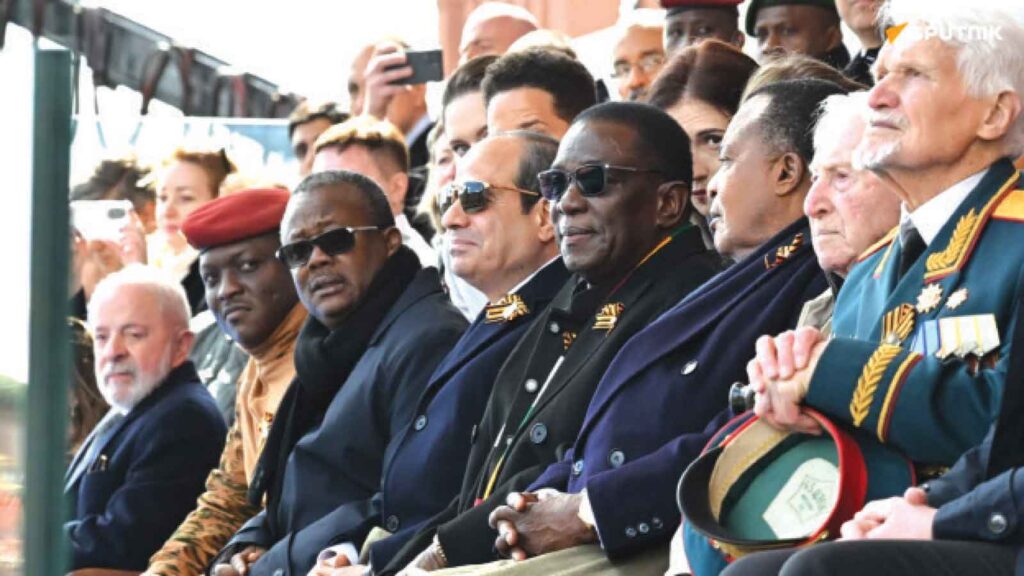
Every year, a Victory Day parade is held in Moscow on Red Square with the participation of more than 10 000 military personnel and about 100 units of military land and aviation equipment. Similar events are organised in other hero cities. In particular, a special festive programme awaits residents of St Petersburg, a city that survived the blockade.
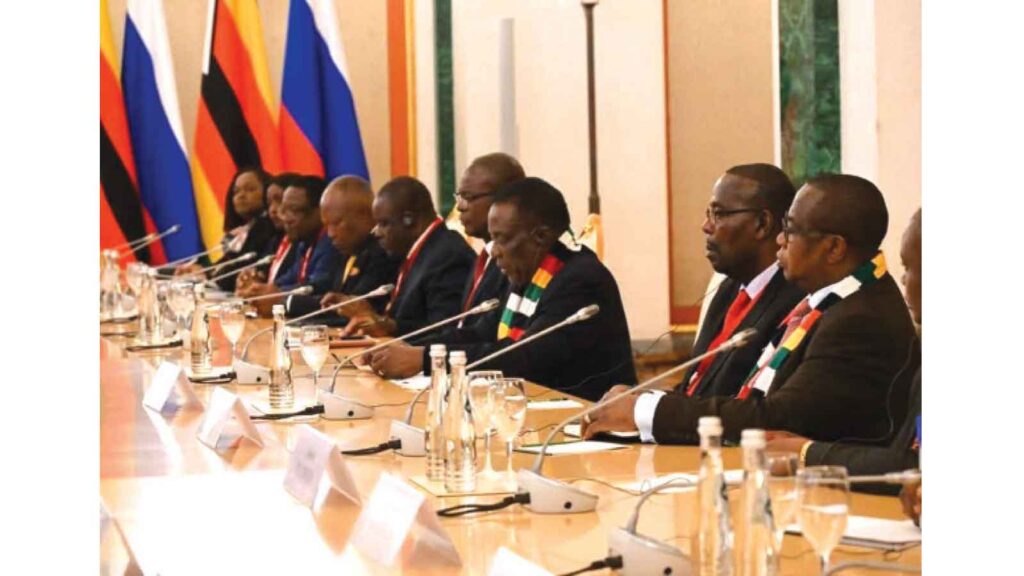
Last year, on the occasion of the 80th anniversary of Victory in the Great Patriotic War, His Excellency President Mnangagwa, participated in the celebrations on Red Square. The fact that he was in the heart of Moscow together with H.E. the President of the Russian Federation, Vladimir Putin, highlights the strong solidarity of our nations. In commemorating Victory Day, Zimbabwe aligns itself with the historical narrative of triumph over aggression — a message that resonates with its own liberation legacy.
In today’s world, Victory Day serves as a reminder of the importance of unity in the face of adversity. It underscores Russia’s commitment to peace, resilience and the preservation of historical truth. The holiday is not only a tribute to the past but also a call to uphold the values of justice and mutual respect.
We consider the United Nations, established as an aftermath of the war, to be an enduring common asset, despite its shortcomings, serving as a cornerstone of international relations.
In our country, it is believed that reforming the UN to ensure adequate representation of the Global South in its key mechanisms is achievable if confrontational trends in global politics can be overcome. We are ready to collaborate with those who recognise the inevitability of change and are willing to meet halfway towards finding reasonable compromises.