admin
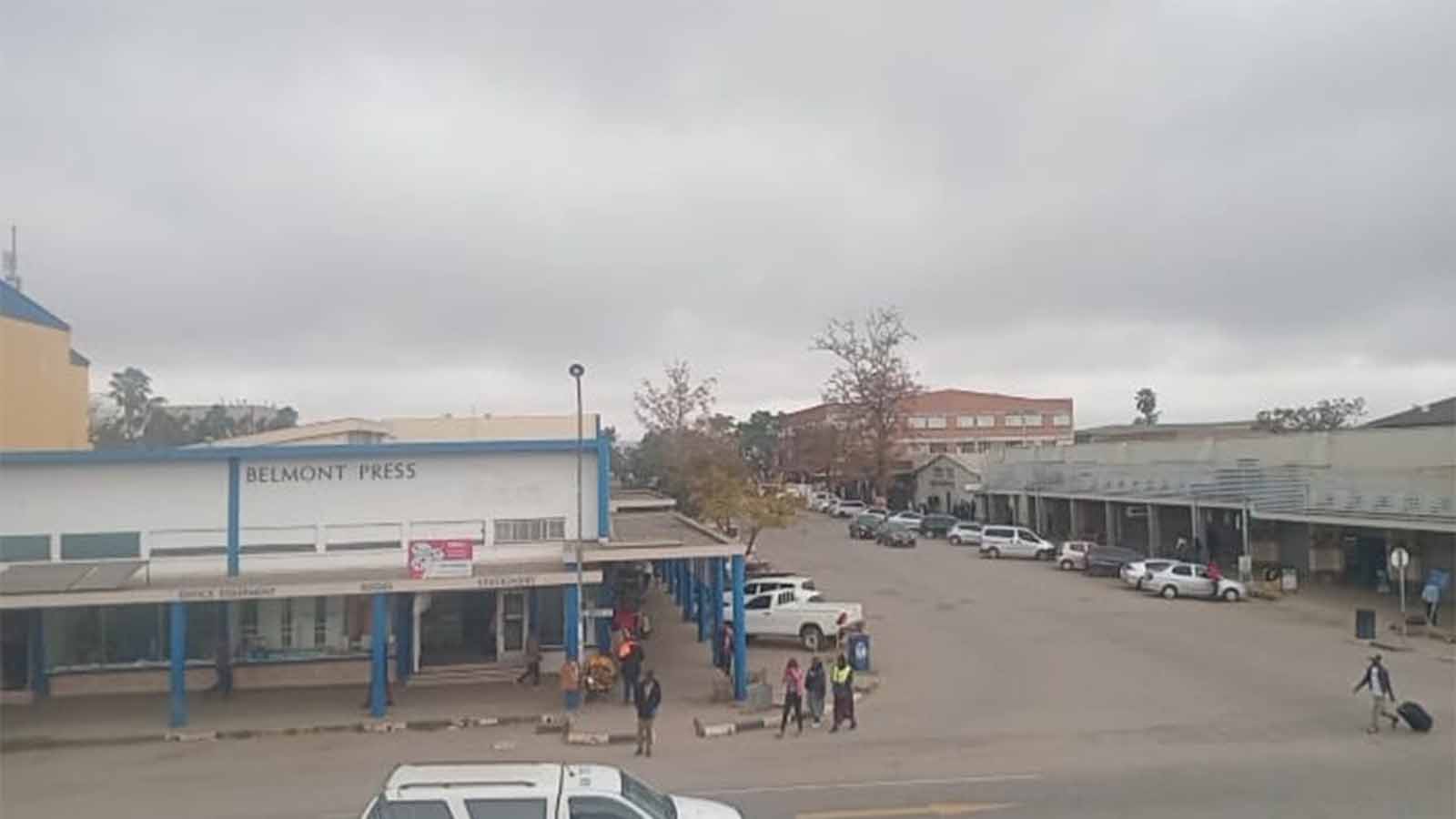
adminauthority is eagerly awaiting a Government proclamation on the new status for Mutoko Centre after it applied for town status.
Its bid for town status enjoys backing from key stakeholders.
The centre, which boasts of a population of over 11 000 people, is now fighting hard to have at least seven council wards, a prerequisite for town status.
However, sources indicate that the ministerial team that visited Mutoko early this year recommended that the centre be upgraded to a local board before assuming town status.
Council chief executive officer Mr Peter Sigauke said a local development plan for the centre was being drafted.
The local development plan will assign land uses to different parts of the centre such as industrial, schools, banks and commercial areas.
He said his council had successfully completed the installation of water and sewer reticulation to the 179 Garikai/Hlalani Kuhle houses.
In an interview during a tour of the district, Mr Peter Sigauke said the US$560 000 received from Government under the public sector investment programme was used for water and sewer works for the Garikai houses.
An additional water reservoir with a capacity of 2 000 cubic metres has been completed at a cost of US$180 000 and is now augmenting the existing tanks with a similar capacity.
He said council had bid for another US$2,5 million to provide water and sewer facilities to Chinzanga high-density suburb that has over 900 households.
This year, Mr Sigauke said, witnessed a lot of housing construction at the centre, a development that made it impossible for households to continue using septic tanks in high-density suburbs.
Because of the increased housing stock dug out wells that were used by residents were discouraged as they posed a health danger.
Mr Sigauke said since commissioning of the additional water reservoir, Mutoko Centre has excess water.
He said the challenge remains with the reticulation system from Nyadire Dam which is now worn out and losing a lot of the water.
Intermittent water supplies also affect water delivery, as there is no pumping from Nyadire to the treatment works when there is no electricity.



 Online Reporter