Chronicle Editor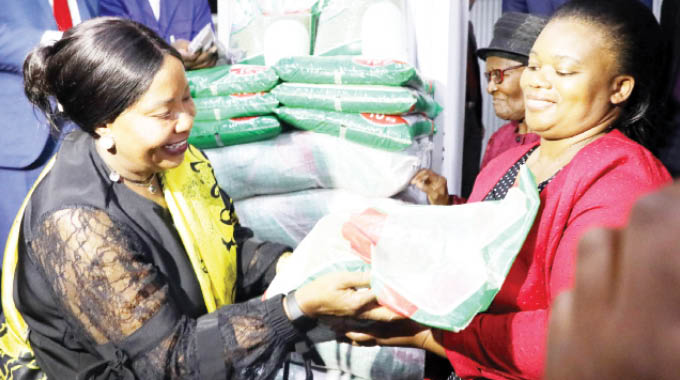
Robin Muchetu, Senior Reporter
INDLOVUKAZI! This is the praise name reserved for royalty that the First Lady, Amai Auxilia Mnangagwa, has earned herself in the Matabeleland region.
She is indlovukazi because she is the equivalent of a queen who embraces everyone that comes along her path with love and compassion. Women and children being the centre of her philanthropic works, Amai Mnangagwa has done everything to the best of her ability to make this group comfortable.
Last week, Amai Mnangagwa visited Bulawayo where she met spouses of chiefs from the Matabeleland region and Midlands Province where she had brought with her the message of growing traditional grains such as millet and sorghum in a bid to improve food security and nutrition to create Zunde Ramambokadzi/Isiphala Samakhosikazi Ezinduna.
The gesture comes at a time when the nation is grappling with the negative effects of climate change which is seeing crops like maize failing, while traditional grains have proven to be drought resistant. Speaking on the sidelines of the donation of traditional grains to chiefs’ wives, Mrs Phindile Mkhwananzi, wife to Chief Ngungumbane of Mberengwa District said Amai Mnangagwa had transformed lives and communities throughout the country.
“The donation of seed helps us amakhosikazi in that climate change is real, and the rains do not fall as they used to before while traditional grains do not require a lot of water and are drought resistant. The hunger that has been affecting communities where we come from will definitely be a thing of the past now that we have been empowered,” she said.
She added; “We appreciate what she has done for us. We once received goats from her, we are encouraged to do other programmes in our areas where we come from by emulating what she does,” she said.
Mrs Mkhwananzi said other than the project of growing traditional grains they have benefited through health programmes.
“We have learnt a lot from Amai’s health programmes, she leads from the front by going to get screened for breast and cervical cancer and women follow.
“When we take back the messages to our communities and encourage women to go, they actually do because they would have seen the First Lady doing the same so she stands as a role model,” she said.
Mrs Mkhwananzi said in many rural communities there were children that were without birth certificates which affects access to education, and they hoped the First Lady will chip in to facilitate that all children get important documents.
“There are several children who do not have birth certificates in the rural areas, we are asking for mobile registration of National Identity documents. By so doing everyone will have a chance to register themselves and their children too. In some cases, you find a child doing Grade Four without a birth certificate because the child will have been left with grandparents who will be aged following the death of parents or migration,” she said.
Turning to the nutrition of the people Mrs Mkhwananzi said communities have abandoned their traditions and were becoming over-westernised in her view.
“We no longer value the importance of eating traditional foods, that is why our children also shun it, just like what the First Lady said, that children actually cringe when traditional food is being cooked. We do not cook it in the home regularly, so it is important to encourage each other as amakhosikazi that we cook these foods always and they become a part of our everyday diet. That way the younger generation will also appreciate the food more,” she said.
Mrs Mkhwananzi said the First Lady’s efforts to change their lives were greatly appreciated and as wives of chiefs they will continue to support her as much as she supports them in their communities.
Mrs Regina Shana wife to Chief Shana of Hwange District in Matabeleland North could not hide her joy when she sang praises to the First Lady for supporting them in feeding the nation.
“We thank her for the assistance she has given us, the goats she gave us have assisted us and they are growing in numbers too. Today we got the traditional grains and vegetables, we are grateful, although we are old and infirm, we will plant sitting on chairs (drawing laughter from the gathering). It is because we need to eat a balanced diet. We have goats for meat, vegetables and the sorghum and millet meal. These are the foods we used to eat when we were growing up. We used to eat maize just for leisure but our diet was based on these traditional grains,” she said.
Amai Mnangagwa said it was the duty of amakhosikazi to start small by introducing traditional meals in the family diet.
“You start by giving small portions, they will take one teaspoon today, the next it will be two and that way you will see that you are winning. This is a war that we have to fight and win. Some women who have adhered to this clarion call are doing well indeed, such as in Mudzi, they are growing the grains and the children also take part in working in the fields because this is where their livelihoods are,” she said.
She said she was going to initiate competitions where provinces will demonstrate the best promotion of growing of traditional grains and traditional meals. There would be a prize as a way of encouraging other women to do the same. The isiphala samakhozikazi enduna was there a long time ago and efforts are being made to revive the concept as wives of chiefs need to have grain stocked up for help in times of need.
Amai Mnangagwa said the concept was going to provide jobs to wives of village heads and also the ordinary women in the community in that they will all take part in the growing of the crops.
The First Lady called on amakhosikazi to be approachable and respectful to other women in the community and said they must have an open-door policy so that women can come with their grievances.
She said the grain was her way of equipping the chiefs’ wives to assist the community at large.


 Online Reporter