admin
admin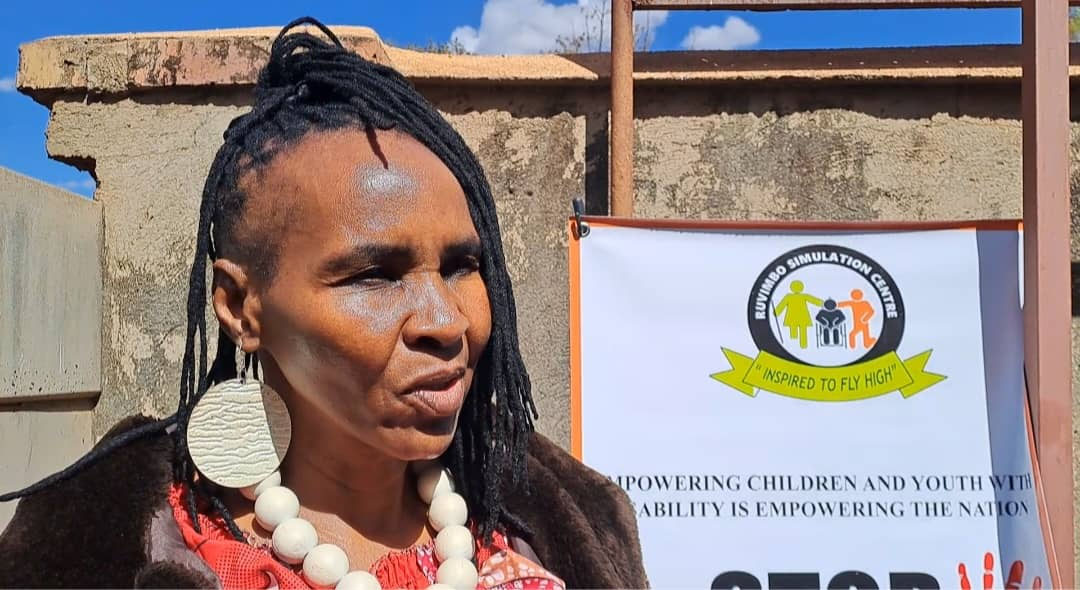
Fungai Lupande Mash Central Bureau
School heads, teachers and Victim-Friendly Unit police officers gathered last week to find ways of preventing gender-based violence among people with disabilities especially children.
Dr Gillet Chigunwe, founder of Ruvimbo Simulation Centre in Bindura said children with disabilities are more vulnerable to abuse.
She said everyone has a role to protect people with disabilities from any form of abuse and empower them through education to enable them to have an independent life.
“This is a series of meetings which started with people with disabilities aimed at listening to their challenges. We then sat down with caregivers because they have a role to play in eradicating or helping in the prevention of gender-based violence on people with disabilities,” she said.
“We noted gaps during the two meetings that people with disabilities are affected by gender-based violence. This is because they are not equipped and educated to deal with it despite good policies on inclusive education.

“Children with disabilities are dropping out of school and end up becoming victims of gender-based violence. We need to empower them by providing a conducive environment at school,” said Dr Chigunwe.
Mrs Ayesha Fura, school head at Chipadze Farm School said children are dropping out of school due to various reasons including bad road network and untrained resource centre teachers.
She said the updated curriculum does not cater for children with disabilities who need more time to complete the syllabus.
“Children write a common exam but children with disabilities need more learning time. These are some of the concerns which lead to dropping out. Together, we can come up with solutions,” said Mrs Fura.
Some of the children at Chipadze High School have learning disabilities, Mrs Rumbidzai Foromo, a senior resource centre teacher, said.
She said some of the learners do not have physical disabilities but they cannot read or write.
“We changed our approach and started teaching them life skills including sewing, home management, agriculture, woodwork and metal work,” she said.
“We then integrate them into the classroom to learn how to read and write. We need a special room to display their work. We have children excelling in art and sewing.”
Mrs Faresi Moyo from Bindura Primary School said some of the children who get into the special class are not ‘write-offs’ because they re-join the mainstream classes and excel.
She said special class is a remedial process to help the child and urged other teachers to train in special needs to help children with disabilities.
There are learners with hearing and visual impairment at the Bindura Salvation Army Primary School.
School head Mr Bob Chaparadza said they teach them about gender-based violence and its negative effects. He added that enrolment of children with disabilities is increasing.
The school has 12 children with hearing impairment compared to three in previous years.
“This means awareness is helping to ensure that children come to school despite their disabilities,” he said.
Officer-in-charge of the Victim-Friendly Unit Chiwaridzo Assistant Inspector Jocelyne Paswavaviri said teachers are the first recipients of gender-based violence cases.
She urged the teachers to alert the police in time so that investigation can ensue while the community can make use of suggestion boxes.
“Be comfortable to be interviewed and called as witnesses at court to collaborate the cases. Our challenge is that teachers refuse to be interviewed and this opens a gap in the justice delivery process,” she said.



 Online Reporter