

 Online Reporter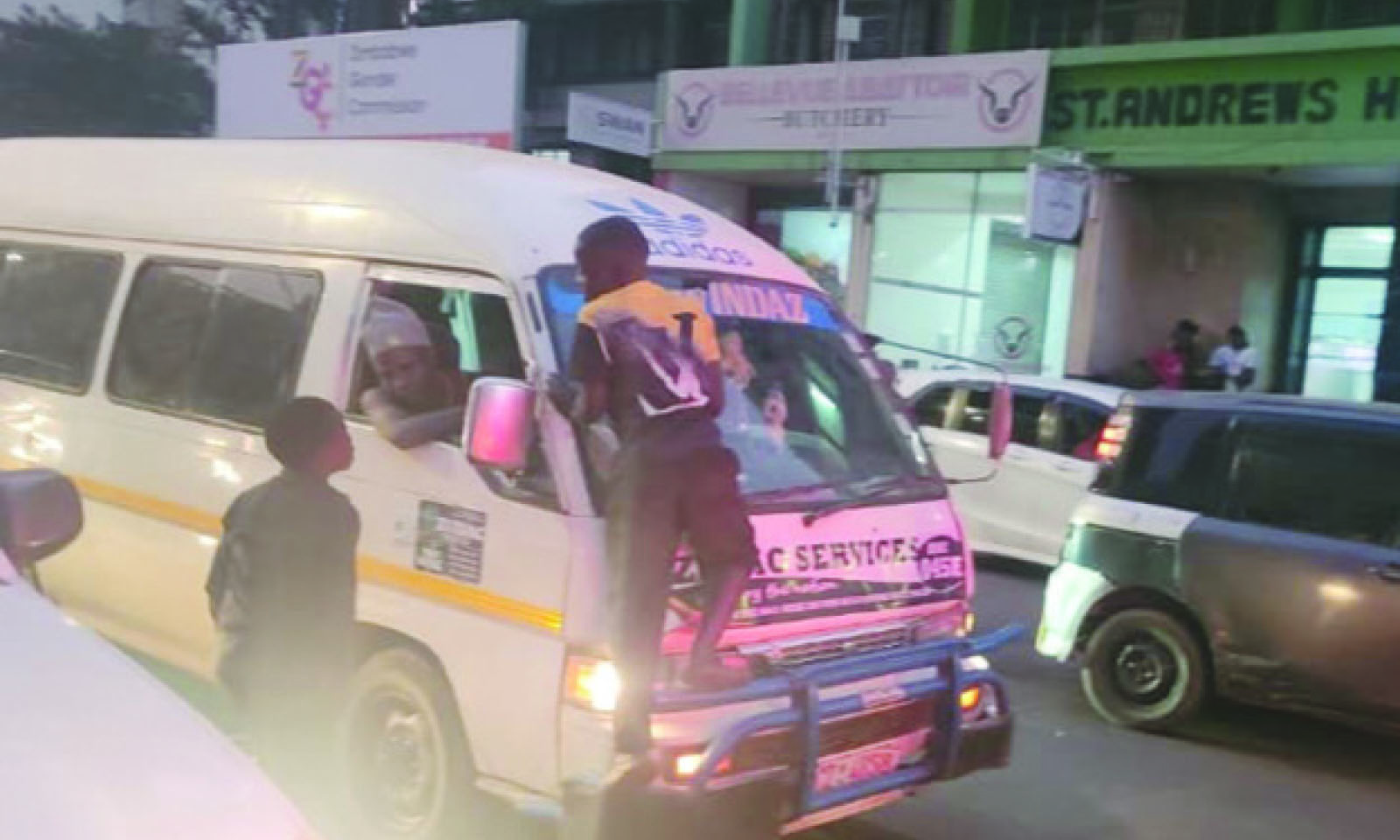
Herald Correspondent
IN the bustling streets of Harare’s central business district, a heartbreaking trend has emerged: an increasing number of children are engaging in street trading.
This phenomenon has caught the attention of the Ministry of Public Service, Labour and Social Welfare, which is deeply concerned about the safety and well-being of these vulnerable youths.
The plight of streetchildren is a complex and urgent issue that underscores the intersection of socio-economic challenges, family dynamics, and the need for coordinated action.
Street children often find themselves snared in a web of socio-economic challenges. Factors such as family breakdowns and consequently failure to pursue education to at least secondary level, contribute to the alarming rise of youths living and working on the streets.
According to UNICEF, many children who end up on the streets do so after fleeing abusive or neglectful homes, while others are driven by the need to support their families after being criticised by relatives.
In Harare, the CBD has become a focal point for street trading, where children sell goods ranging from snacks to handmade crafts.
While some may view this as a form of entrepreneurship, the reality is that these children are often exposed to exploitation, abuse, and various social dangers, said Minister of Public Service, Labour and Social Welfare Edgar Moyo, in an interview.
Zimbabwe’s legal framework, particularly the Children’s Act, classifies children who beg or trade on the streets as “in need of care”.
This classification imposes a direct responsibility on the State to intervene and protect these vulnerable youths.
Minister Moyo said children should “grow up in safe and secure environments”, reinforcing the Government’s obligation to take action.
In response to the increasing visibility of street children, the Ministry has initiated several measures, including the repatriation of children found vending in the streets.
For instance, 18 children from Mozambique were recently brought back to their home country.
“We are committed to ensuring that children at risk are identified, rehabilitated and reunited with their families wherever possible,” said Minister Moyo.
This commitment is crucial, as reintegration into safe environments can help prevent children from returning to street life.
To support these efforts, the Government has established the Children on the Streets Fund, which finances programmes aimed at identifying, rehabilitating and reintegrating street children into society.
This fund plays a critical role in the Government’s strategy, as it provides financial resources for rehabilitation centres, educational programmes, and family support initiatives.
Preventative social protection measures have also been implemented to tackle the root causes of street life for children.
Programmes such as the Basic Education Assistance Module (BEAM), the Food Deficit Mitigation Strategy (FDMS) and Harmonised Social Cash Transfers aim to provide families with the necessary support to keep children safe and in school.
Families of reunified children are specifically linked to these programmes to ensure ongoing assistance and reduce the likelihood of them returning to the streets.
Recognising that the issue of street children cannot be tackled in isolation, the Government has formed provincial taskforces in key cities including Harare, Mutare, Bulawayo, Masvingo and Gweru.
These taskforces unite Government ministries, the Zimbabwe Republic Police, and civil society organisations to develop localised strategies for child protection.
This collaborative approach is vital for creating effective solutions tailored to the unique challenges faced by each community.
Minister Moyo has called for a collective effort from all stakeholders, urging them to work together in creating safer and more supportive environments for children.
“Our goal is to safeguard every child’s rights and ensure their holistic development,” he emphasised. The emphasis on collaboration reflects an understanding that addressing the challenges faced by street children requires a multi-faceted approach, drawing on the strengths and resources of various sectors within society.
Community engagement plays a crucial role in addressing the challenges faced by street children. Local organisations, faith-based groups and concerned citizens are essential in identifying at-risk children and providing them the necessary support. By fostering a culture of care and responsibility, communities can help mitigate the factors that contribute to street life.
Awareness campaigns, educational programmes, and support networks are vital for empowering families to seek help before their children end up on the streets.
Initiatives that encourage community involvement can provide a safety net, ensuring that children have access to education, healthcare and emotional support.
The issue of street children is part of a larger global phenomenon, where millions of children face similar challenges.
According to a 2021 report by UNICEF, an estimated 150 million children worldwide are living in street situations, often without access to basic needs such as food, shelter and education.
The breakdown in family relations, especially after the deaths of biological parents, has intensified the plight of street children.
Street children often face harsh realities. They are vulnerable to violence, exploitation and trafficking, and many lack access to education and healthcare.
The COVID-19 pandemic further deepened these challenges, pushing more families into poverty after lockdowns were announced to curb the spread of the pandemic, increasing the number of children on the streets.
As the Government and various organisations work to address this pressing issue, it is crucial to remember that every child deserves the right to a safe and nurturing environment.
The rising number of street children in many cities across the country, serves as a reminder of the urgent need for collective action and sustained commitment to protect the rights and well-being of all children.
The struggle of street children is a complex and multifaceted issue that requires immediate attention and action.
Through legal frameworks, Government initiatives, and community involvement, there is potential for meaningful change.
However, the success of these efforts hinges on the collective responsibility of society to ensure that every child has the opportunity to grow up in a safe and supportive environment.
By fostering a culture of care and collaboration, the nation can work towards a future where no child is left to face the dangers of street life alone.
The commitment to safeguarding children’s rights is not just a Governmental obligation; it is a societal imperative that reflects the values of compassion, responsibility, and hope for a brighter future.



