Online Reporter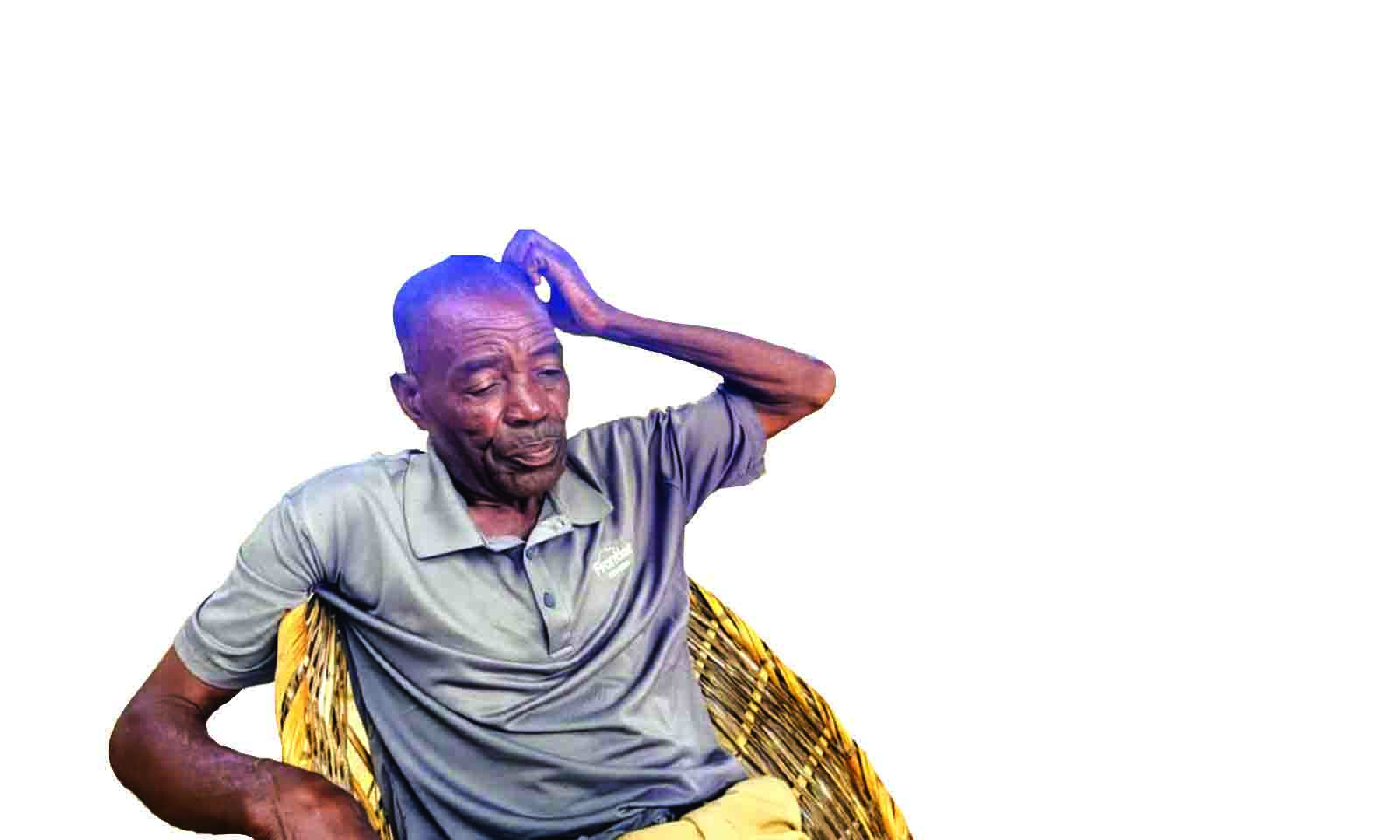
Last week, CDE CHIONE CHIMUKOSI, whose Chimurenga name was Cde Peter Tichatonga, recounted how he and fellow combatants captured the wife of a notorious Rhodesian Security Forces soldier. This week, Cde Chimukosi concludes his narrative by sharing with our Political Editor KUDA BWITITI details of key battles he participated in, along with his experiences during the final days of the liberation struggle.
***************
Q: Comrade, could you share some of your most memorable battlefield experiences?
A: There are many. I can’t possibly name them all, but let me tell you about Chesa in Mt Darwin.
That was a day etched in fire and blood, sometime in June 1977, on a typically cold winter day.
Under Cde Sherai Mabhunu’s command, our unit of 22 fighters — two full military sections — thought we were secure in our farmhouse hideout until trouble came.
One of our own men betrayed us, becoming an informant for our enemies.
Around 3pm, the ground began trembling with the approach of armoured vehicles. Five Rhodesian armoured cars came roaring towards us.
Before we could react, they had surrounded our position. We sat in a C formation. I was holding my AK-47 while my colleague, Cde John, manned our precious Mortar 60, the most powerful weapon that we had.
What followed were hours of relentless combat. Their machine guns chattered like angry demons, while we returned fire with everything we had. Those Rhodesian troops fought with desperate fury, refusing to retreat even as our bullets found their marks. The air grew thick with gunpowder and screams, the farmhouse walls pockmarked with bullet holes as daylight faded into a hazy twilight of war.
Q: How did this battle end?
A: As our ammunition dwindled to dangerous levels, we knew we had to act — and fast. Through hand signals and hushed commands, we organised an emergency battle formation, creating a narrow, but vital escape corridor through their lines. Moving with the precision born of countless skirmishes, we fought our way out, each covering the other’s retreat.
By some miracle — or perhaps the ancestors’ protection — we emerged without losing a single comrade. Later, the povo, those brave villagers who risked everything to support us, informed us that the enemy forces had suffered multiple casualties.
But in terms of our survival that day, we owe it to those same villagers.
The moment we broke free, they mobilised reinforcements, their network of messengers moving like shadows through the bush to summon help. Without them, well, let’s just say the soil of Chesa might have claimed more of our blood.
Q: You achieved decisive victory against elite enemy forces at Mumurwi Mountain. Take us through this pivotal engagement.
A: At Mumurwi Mountain, we got a lot of assistance from our mujibhas. Selous Scouts were prowling the valley below. These weren’t ordinary troops, but Rhodesia’s feared counter-insurgency specialists.
By 2pm, 12 of us lay concealed on the mountain’s rocky crown, watching from the top as their patrol advanced. They looked confident, arrogant even. We let them enter the killing zone, then unleashed our ammunition.
The initial volley sent them scrambling like startled guinea fowls. We maintained disciplined fire — one shot, one kill — while they fired wildly into the cliffs. When the smoke cleared, nine of their “elite” members lay motionless in the dust.
On our side, we did not lose any fighters. It was a special victory.
We celebrated that victory with the povo, dancing and drinking well into the night. The villagers’ celebrations that night echoed loudly throughout the area. It was indeed a memorable day.
Q: Comrade, your victory at KwaBhora became legendary. Walk us through that decisive encounter.
A: KwaBhora . . . yes. On that late afternoon, the sun hung low over Nyaguwe Bridge. We were rolling towards the crossing point in our battered vehicle when Rhodesian gunfire erupted from the bridge.
We ran for cover, diving to the ground as bullets hit the dirt around us. Lying flat, I could smell the dry earth and hear our mortar team rushing to set up the weapon. Then, boom! Our mortar had fired back, shaking the whole valley.
The enemy didn’t shoot again. When the smoke cleared, we saw them running into misasa trees like birds fleeing a hawk. The mortar had done its job.
Q: We also understand that you were involved with the famous Shell bombers of 1978, the ones who attacked Rhodesia’s fuel tanks in Southerton. Tell us more about this.
A: That attack was carried out by comrades who came to be known as the Shell bombers.
I was not part of the Shell bombers, but I was one of the comrades who received the attackers after they had achieved their mission.
The Salisbury fuel depot attack was a sabotage operation conducted by our ZANLA unit in December 1978.
Targeting the fuel depot in Salisbury’s Southerton industrial area, the raid inflicted millions of dollars in damage and destroyed a large quantity of Rhodesia’s fuel reserves.
The eight comrades launched a rocket and incendiary assault on the depot’s main oil storage tanks.
The resulting inferno raged for five days, sending a massive plume of smoke into the sky.
After inspecting the ruins, Ian Smith declared the attack one of the country’s most significant setbacks since the war began.
Q: Where did you assemble after the war?
A: I assembled at the Dendera Assembly Point in Mutoko when the war ended. I then joined the Zimbabwe National Army in 1981.
After some time, I left the army and returned to settle here in Uzumba.
I am a member of our war vets district leadership here in Murewa, serving as secretary for security. I am also a beneficiary of the Land Reform Programme.


 Bongani Ndlovu