


 Online Reporter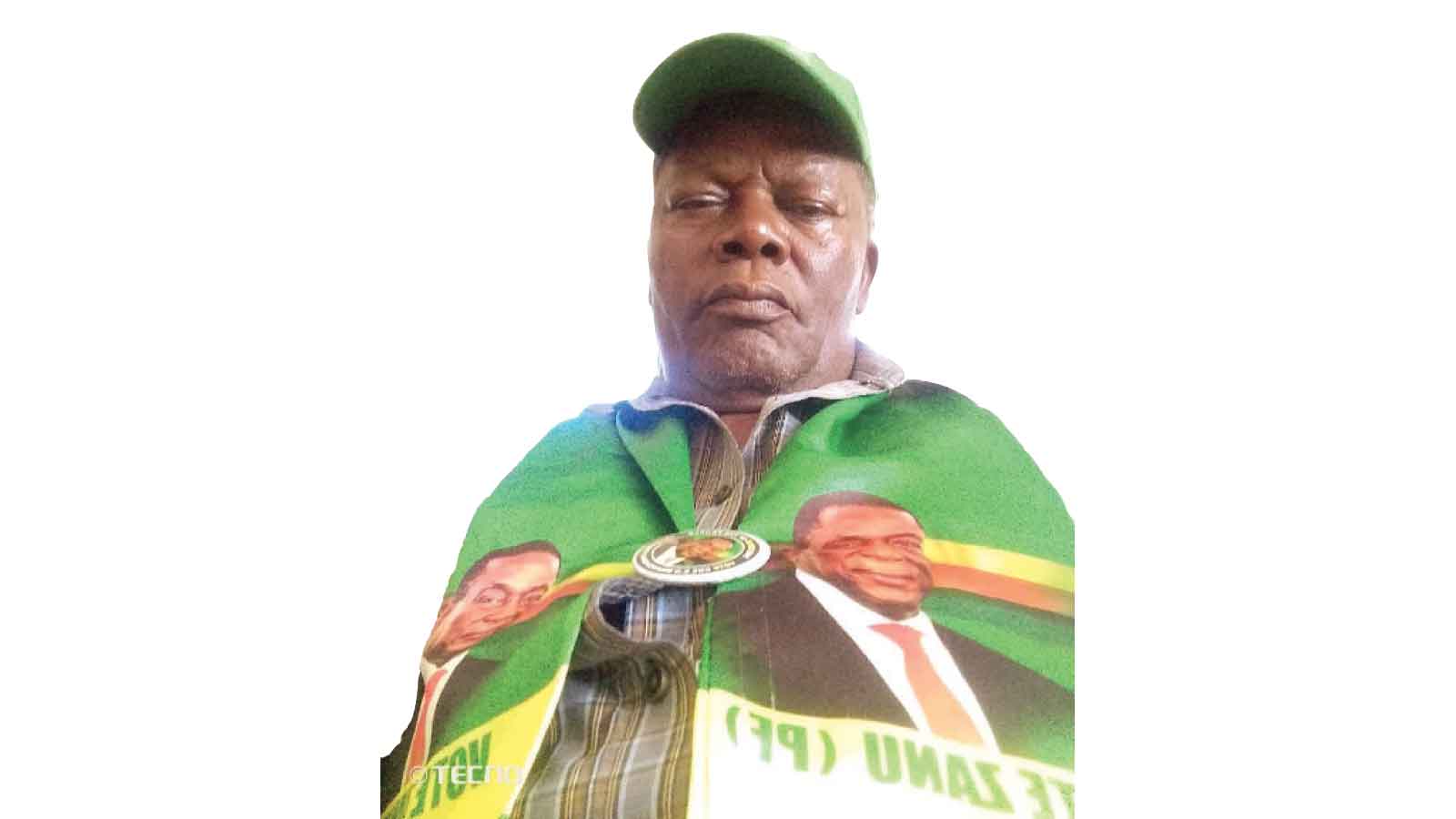
THIS week, CDE SAMUEL MAKUREYA, whose Chimurenga name was Knox Zvichapera, concludes his gripping narrative. He shares his journey through the transition to peace and life in post-independence Zimbabwe with our Society Editor PRINCE MUSHAWEVATO.
*********************
Q: As we conclude our discussion, could you briefly explain how you learnt that the country was closer to achieving independence?
A: We primarily followed news via radio, but our commanders, such as Cde Chiwenga (the current Vice President), who shuttled between the rear and the front, also kept us abreast of developments. Comrades were briefed during parades; we stayed informed about everything, including the Geneva and Lancaster House conferences. By then, Hwedza had become a semi-liberated zone. We were often based in our homes and could go a month or more without any reports of Rhodesian Security Forces being spotted in the area.
Q: What was the situation on the ground during this period?
A: The Rhodesian Security Forces were terrified because our attacks had intensified. We were inflicting heavy casualties and destroying their vehicles with landmines. Hwedza became a no-go area for them. We had established a “government” of comrades where legal cases were tried by black people rather than the oppressive Rhodesian administration. When news of independence finally reached us, it was sweet news indeed.
I remember Cde Tongo (Josiah Tongogara) was scheduled to come and explain the agreements to us, but that was when we learnt of his untimely passing in a car accident in late 1979. Later, we received instructions to move to Assembly Points. All comrades from Hwedza were directed to Dzapasi, but we were sceptical. We found it hard to believe the war was actually over.
Q: Given your scepticism, how did you react to the instruction to move to Assembly Points?
A: We left some of our colleagues behind to man the bases just in case we were being tricked. In Hwedza, we gathered at St Anne’s Goto before being transferred by bus to Dzapasi via Nyazura. Dzapasi (Assembly Point) was divided into Base One, Two and Three. I was stationed at Base Three. There was not much to do except routine duties. Monitoring teams visited to take photographs, and we spent most of our time waiting for further instructions. Female comrades had their own separate bases. Food was no longer a problem; that was the first time we saw such large rations, including meat, which we had never experienced before. We only began receiving money after we were transferred from Dzapasi to another local camp. We moved from Dzapasi because the camp had become too small. Since there were no orders allowing us to go home or visit our families, our relatives began visiting us at the camp instead.
Q: You can carry on.
A: Later on, after receiving our payments, we began visiting our parents. These visits were unofficial, as we were expected to remain in camp, but we always returned. After some time, we were moved from Dzapasi to Tongogara in Chipinge. Our stay there was brief — less than a month. During that time, those of us who could read and write were selected for further service. I was among about 200 comrades chosen to join the new national army. We were ferried by a large convoy of trucks from Dzapasi to Mutare Railway Station. There, we were organised into groups and conferred ranks before being transported to Llewellin Barracks (now Lookout Masuku Barracks) in Bulawayo.
Q: What was the situation like in Bulawayo?
A: We stayed in Bulawayo for two days before being transferred to the Zimbabwe Military Academy (ZMA) in 1981. That was where we were officially attested into the military.
My date of attestation was June 1, 1981. We celebrated our independence wildly — guns blazed, and there was singing and dancing. However, the period was not without its challenges. Some fighters who had not reported to assembly points enjoyed their “newfound freedom” to the point of becoming rebels, refusing to join the formal structures. A number of our comrades were killed during the ceasefire period because some white Rhodesian forces seized the opportunity to regroup and attack those still manning the bases. I completed my training at the Zimbabwe Military Academy. We were graded upon completion, and I was commissioned as a lieutenant, serving as a platoon commander. Although the minimum age for the army was 18, I was only 17 at the time, so I had to adjust my age to qualify. In my training group, we had a mix of ZANLA and ZIPRA forces as part of the integration process. I actually trained alongside Nelson Chamisa’s father, who graduated as a captain.
Nelson Chamisa’s father was a member of Rhodesian Security Forces. We met in 1981 at Zimbabwe Military Academy. During the integration period, ZANLA would bring it’s selected number of forces; the same with ZIPRA and same with Rhodesian forces. The mixed forces trained to be commissioned officers at the military academy. That is where and when I trained with Chamisa’s father. He was just called Chamisa, and little did we know that one day his son would be leader of the opposition. After training, I was posted to Inkomo Barracks. My first battalion commander was Brigadier Maketa, who had previously served as our sectorial commander in Hwedza.
I was part of the 3.9 Infantry Battalion. Eventually, we were transferred to Mutare, which is where I later resigned from the service.



I remember Chamisa, Mutero, Wurayayi, Chigudu and a few others appearing in a free issued Rhodesian Weekly newspaper, the African Times each time “brave” members of the Rhodesian Security Forces were mentioned. It wasn’t a surprise that Nelson Chamisa believed in the Rhodesia his father served with such passion and would eventually make an attempt to reverse the gains of our liberation by leading a violent political opposition. They say a hyena can never give birth to a sheep.