Online Reporter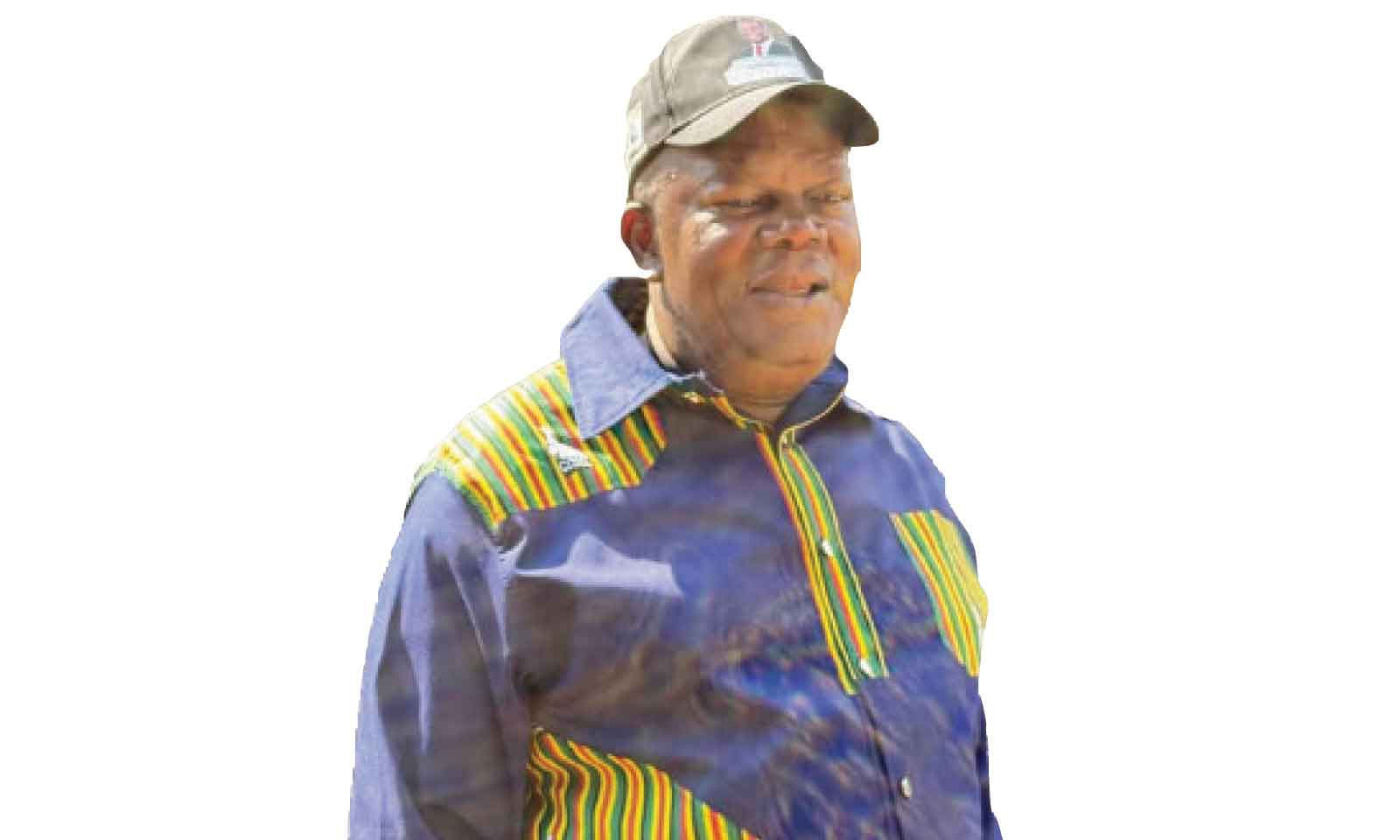
CDE SAMUEL MAKUREYA, who used the Chimurenga name Knox Zvichapera, developed a strong dislike for the colonial system at a very tender age. This was after experiencing racial discrimination in school, which made him fail to proceed with his academic studies beyond Form One. This week, he tells our Society Editor PRINCE MUSHAWEVATO how injustices in teaching methods, enrolment procedures and poor treatment by white learners inspired his decision to cross the border and join other gallant sons and daughters of the soil who were determined to end white minority rule.
***************
Q: Could you begin by introducing yourself and providing a brief overview of your background?
A: My name is Samuel Makureya. I was born on July 23, 1962 in Mutare. My liberation war name was Cde Knox Zvichapera. I grew up in Dangamvura, which is where I completed my primary education — Grade One up to Grade Seven — at Rujeko Primary School. I then enrolled at Sakubva Secondary School for Form One in 1976.
I did not manage to complete my first year of secondary school because that is when I crossed into Mozambique to join the liberation struggle. My elder brother, Noah, whose Chimurenga name was Moses Magodo, had joined the struggle the previous year, in 1975.
During the war, Noah operated in Makoni district, under the Tangwena Sector, in Manica province. After independence, he joined the Ministry of Health as a medical assistant. He later passed away in 1994.
Q: How were you introduced to African nationalism?
A: In Manicaland, where we stayed, we used to get information detailing comrades’ exploits in areas like Melsetter (now Chimanimani). We were told the freedom fighters were maintaining a heavy presence in the area. Also, what was happening in schools, particularly secondary schools, was appalling. The treatment was different because of racial discrimination.
The methods of teaching and enrolment were not favourable as everything was biased towards the minority white learners. They got preference in everything, which annoyed us.
Moreover, when we physically met with the white children, they would verbally and physically abuse us. They called us (black learners) all sorts of derogatory names, including referring to us as “kaffir”.
The sad thing was that we were not allowed to answer back or fight them.
These injustices, and many others that I could go the whole day talking about, coupled with the spirit that our fellow countrymen had shown in their determination to liberate the country, pushed me to take up arms against the Rhodesian government.
Q: Can you tell us how you left school and eventually crossed into Mozambique? Did you inform your parents?
A: When going to join the war, we never used to inform anyone. I did not tell my parents that I was leaving. In fact, when my brother crossed into Mozambique, he did not tell anyone.
We only learnt days later that he had left the country to join the struggle. I did the same.
I did not tell anyone that I was leaving.
They perhaps found out days later after realising that I was not returning home.
When we left school for Mozambique, there were four of us: two from my school (Sakubva Secondary) and two from Old Mutare School.
Among us was Kinsley Gombarume, who was my close friend, and Gody.
I have forgotten the names of the other two, as that was some time back and I was very young.
We used to meet during weekends, so one Friday, Kinsley and I left from the Mutare side and travelled towards Penhalonga in the morning.
That is where we met the other guys at the Imbeza turnoff and we disembarked from the United Passenger Company bus that we had boarded from Mutare.
There, we met a guy called Ishmael, who was very fast and witty.
He is the one who was coordinating with the other guys who were coming from Old Mutare.
At the Imbeza turnoff, there is a road that passes through plantations, going into Mozambique.
That is the route we followed and around 4pm we had already crossed into Mozambique.
On the Mozambican side, we met Frelimo camaradas (comrades).
Around 1976, there were groups of camaradas that had been strategically placed to welcome Zimbabweans who crossed the Mozambican border to join the struggle.
They would direct them to the camps they were supposed to go to. They did the same with us and directed us to a camp that was close to the border.
Q: What happened when you got there?
A: Upon arrival, we were fed sadza and beans before we retired to bed.
The following morning, we were transported by lorries to Villa Manica, where a camp was receiving comrades from different areas. We spent a single night there.
The next morning, we were again transported by trucks to PaDaf, a place near Chimoio.
By this time, the number of recruits had grown. PaDaf was a central meeting place, and we met many comrades who had come from various regions.
The daily routine at PaDaf included basic activities such as running and exercising. At night, we would sing liberation songs.
It was then that I started realising that I had finally joined the liberation movement.
I was 13 years old when I joined the struggle.
Q: What were the conditions like there?
A: Life in that camp was difficult. There was inadequate food. We ate only to survive, not to feel full. We often had only a single meal per day, unlike the three meals we were accustomed to back home.
However, we left the camp that year. We were transported by trucks that had come from Sweden. Two groups were transferred to Nyadzonya in 1976.
Before we were allowed into the main camp, we were dropped off at the security point where everyone was searched.
After the searching, we were kept there for three or more days, undergoing serious vetting before being cleared to join the others inside.
So, we stayed at the security point for quite some time.
We were later cleared to go into the camp and joined Battalion B.
The camp had Battalion B and Battalion A, commanded by comrades Casablanca and Killer, respectively.
Next week, Cde Makureya will share his experiences and life at Nyadzonya. He will also recount the infamous Nyadzonya attack, which took place shortly after his arrival at the camp in 1976.