

 admin
admin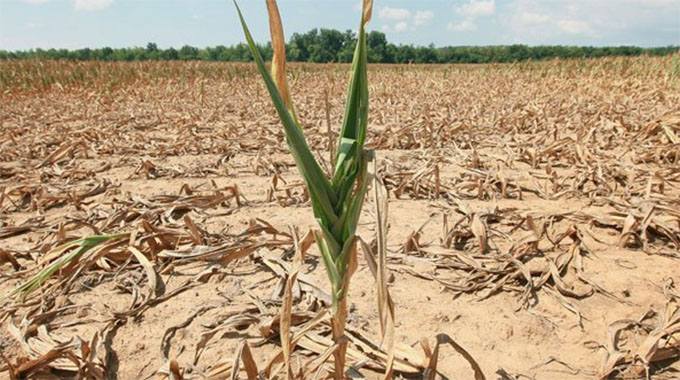
During the ongoing Two Sessions in China, the Belt and Road Initiative has been a phrase constantly mentioned. To understand this term better, the latest water dam project in Kenya can be a good start.
As East Africa is facing its 6th consecutive drought, climate change has become a major challenge to agriculture in Kenya. The Thwake Dam Project, under the Belt and Road Initiative, is one of the measures being used to tackle the problem.
For residents in Mavidini, a town in southeastern Kenya’s Machakos County, fetching water has been a problem for decades. They don’t have running tap water at home. They collect rainwater for daily usage.
“We need to take more than 4 hours going to a river there to get water,” said Dorcus Mwinzi, a villager in Mavidini.
This is not a single case in Kenya. As the country’s weather patterns have become unpredictable, it has adversely affected crop production, leading to food shortages and high prices over the country.
Currently, food insecurity is a significant challenge facing Kenya, especially in rural areas. Many households do not have access to adequate and nutritious food, leading to malnutrition and other health problems. This is due to low agricultural productivity, poverty, and limited access to water.
The government and other stakeholders have tried to mitigate this problem by promoting climate-smart agriculture practices, such as small-scale irrigation and subsidies on farming inputs. Consequently, building a dam takes a big part in the process.
At the confluence of the Athi and Thwake Rivers in the southeast of Kenya, lies the Thwake Multipurpose Water Development Programme. It is the flagship programme for Kenya Vision 2030 and the Big Four Agenda. It is also the largest integrated dam project under construction which combines water supply, irrigation and power generation.
By storing water, the dam can store up to 688 million cubic meters of water, greatly relieving the water shortage and irrigation issues afflicting more than 1.3 million people in southeastern Kenya’s Konza city, Makueni, Kitui and Machakos counties.
“The dam will also bring up hydropower generation. That means there will be a supply of power. Currently, the area also does not have a main source of power. The main course of power is solar energy,” said Faith Nzimbi, the environmentalist expert of Thwake Dam.
Project manager, Li Shan indicated that modern agriculture and industrialization experience from China also helps. China, like Kenya, has over 75% of its population dependent on agriculture for its livelihood. China has expertise and technologies that can be shared with Kenya.
“The world economy is integrated, so in the process of economic recovery, China, as the world’s second-largest economy, will definitely shoulder its own responsibility as a major country,” said Li Shan. “The Belt and Road initiative is part of it.”
Kenya’s agriculture sector faces numerous challenges that hinder its growth and development. Upon the completion of Thwake Dam, it will deliver gigantic economic benefits to the southeast of Kenya through water supply, power generation and irrigation.


 Online Reporter