Online Reporter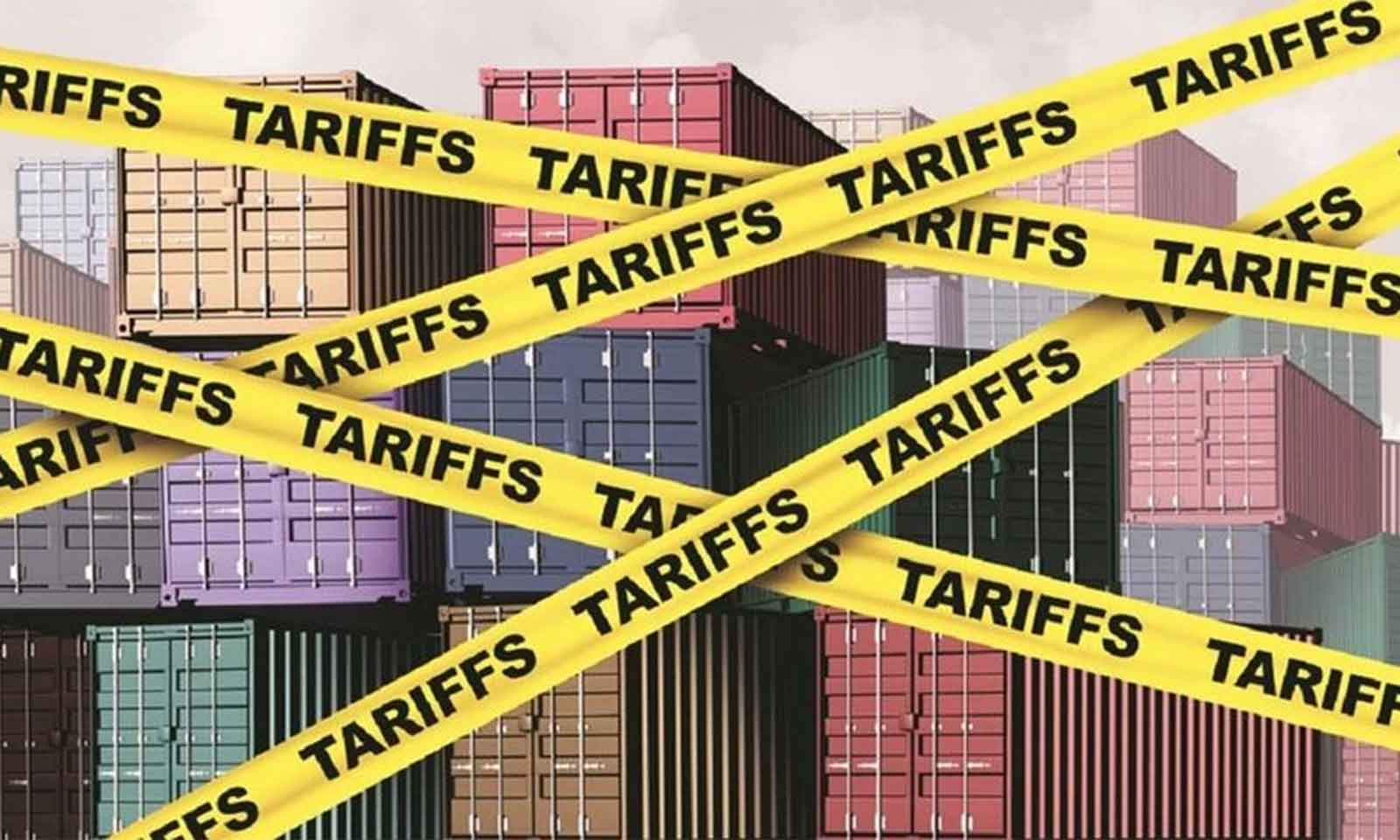
Edgar Vhera
Specialist Writer – Agribusiness
CHINA has pledged to offer zero tariffs for all Zimbabwean products as the country enjoys a trade surplus of over US$1 billion annually, with the former ranking among its top three trading partners.
This was said by the Chinese Embassy in Zimbabwe on their official X post during the 8th China International Import Expo (CIIE) in Shanghai, which ended recently.
“China has pledged to offer zero tariffs for all Zimbabwean products. This is poised to supercharge more Zimbabwean goods into the Chinese market,” read the post.
China said Zimbabwean exhibitors showcased their very best “Made in Zimbabwe” products on the global stage for openness, cooperation and shared prosperity.
“China ranks among Zimbabwe’s top three trading partners.
“In 2024, Zimbabwe’s trade surplus with China surpassed US$1 billion,” said China.
A trade surplus generally occurs when a country exports goods and services with a higher value than it imports.
National trade development and promotion organisation, ZimTrade, client advisor- export development, Mr Kupakwashe Midzi, said the introduction of the 100 percent zero tariff policy was welcome for Zimbabwean exporters.
“The preferential framework helps lower barriers and enhances our ability to showcase goods competitively, thereby opening significant doors for our producers.
“For Zimbabwe, CIIE is a significant event as it is a showcase where we continuously seek to raise Zimbabwe’s profile as a reliable exporter, attract Chinese investment, and deepen our trade linkages with China,” he said.
Zimbabwe and China continue to enjoy a robust and mutually beneficial trade relationship, underpinned by strong diplomatic ties and growing economic cooperation.
China has emerged as Zimbabwe’s third-largest export market, with bilateral trade volumes more than doubling over the past decade.
“China is Zimbabwe’s third-largest export market, with exports reaching US$2,44 billion in 2024, up from US$766 million in 2015, a 218 percent increase over 10 years.
“Imports from China also increased to US$1,4 billion in 2024, from US$546 million in 2015, marking a 151 percent increase,” he said.
Zimbabwe therefore enjoys a trade surplus of over US$1 billion, mainly from the export of tobacco, minerals, iron and steel alloys, and macadamia nuts, while it imports machinery, vehicles and tyres among other products.
“We value immensely the structure of imports from China, as this is not imports of trinkets and luxury goods but rather equipment and machinery, which is contributing towards our economic development.
“The recent signing of the blueberry export protocol during President Mnangagwa’s visit to China adds on to the various landmarks registered at a bilateral level between the two countries,” he said.
Mr Midzi said access for the country’s blueberries into China was expected to catalyse higher‑value horticultural exports, stimulate investment in the farming, supply and cold chain infrastructure and enhance returns to our farmers.
The Chinese market’s demand for healthy, traceable, high‑quality produce continues to grow and the country needs to seize this demand from the niche market.
Zimbabwe’s production of the most globally sought-after superfood at the moment, blueberry, which has been growing at a compound annual growth rate of 38,4 percent over the five years, has led to the country earning US$56,6 million from its exports in 2024.
According to the Tobacco Industry and Marketing Board, the Chinese market accounted for more than 50 percent of Zimbabwe’s tobacco exports.
Chinese investments in Zimbabwe continue to grow with the Zimbabwe Investment and Development Agency (ZIDA), disclosing that Chinese firms accounted for more than 60 percent of all foreign investment approvals in 2024, with 441 licenses issued, amounting to over US$2,7 billion in projected inflows in the year.