Online Reporter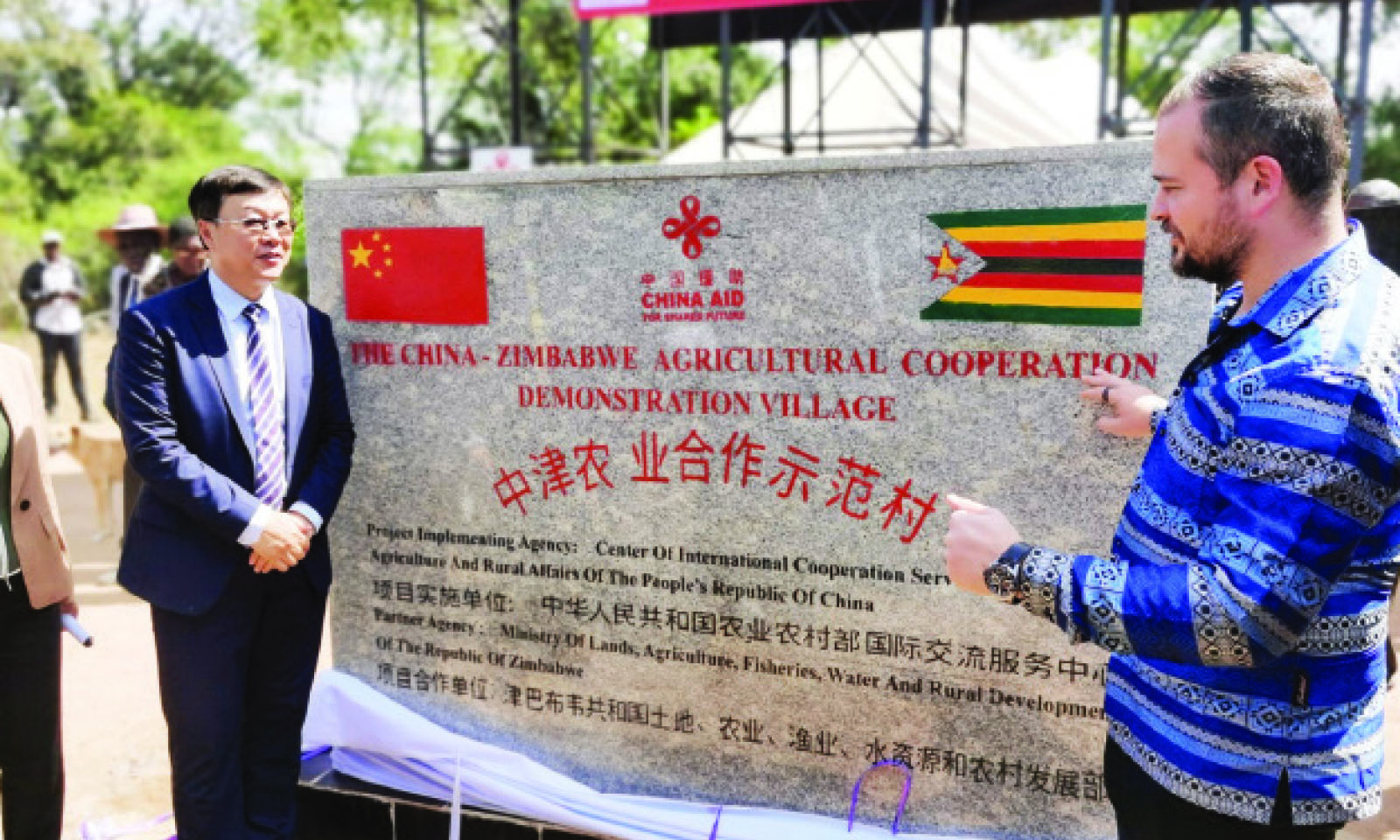
Fungai Lupande
Mashonaland Central Bureau
Angela Tirivaringe of Zindi Village in Shamva District has experienced a remarkable transformation in her life, thanks to a partnership with the Chinese Embassy.
Recently, she received 40 Black Australorp chickens, which will give her US$96 per week after selling the chicks she hatches.
The development is not just a personal success; it marks the beginning of a larger agricultural initiative that has positively impacted the lives of 37 other community members.
The project is part of a model village initiative sponsored by the Chinese Embassy, aimed at improving agricultural practices and enhancing food security in the region.
Each member of the farmers’ club is set to receive 40 black Australorp chickens, promoting sustainable poultry farming.
“This project has changed my life; I can now support my family and contribute to our community,” said Tirivaringe.
At the heart of this agricultural endeavour is the demonstration village located at Sabhuku Zindi’s homestead.
The village features solar-powered boreholes that supply water for a nutritional garden, alongside fowl runs containing 1 000 broilers and 250 Black Australorp chickens.
An egg hatchery has also been established, enabling the community to increase its poultry production significantly.
Water access has been a critical focus of the project. The Chinese Embassy has established a public water point, providing tap water to 16 households in the area.
Village head Mr Waveson Zindi said: “The access to clean water has improved our lives immensely. We can now grow more food and ensure our families are healthy.”
Deputy Minister for Lands, Agriculture, Water, Fisheries and Rural Development Vengalis Haritatos yesterday commissioned the demonstration village.
He emphasised the importance of the initiative.
“This project exemplifies the depth of bilateral relations between China and Zimbabwe. It reflects our shared vision for agricultural transformation,” said Deputy Minister Haritatos.
“Agriculture is the backbone of Zimbabwe’s economy, employing millions and ensuring food security for our nation.”
The demonstration village aims to facilitate technology transfer, introducing advanced agricultural techniques and high-yield seed varieties to boost productivity.
“We are gaining a lot of knowledge from the Chinese, and we are optimistic about sustaining these projects,” Mr Zindi remarked, highlighting the collaborative spirit of the initiative.
Chinese Ambassador to Zimbabwe Zhou Ding underscored the significance of the project.
“This is one of the tangible benefits arising from our cooperation. Supporting the rural population is essential, as over 60 percent of Zimbabwe’s people live in these areas,” said Ambassador Zhou.
The Chinese Agricultural Expert Group has contributed significantly, providing practical training in crop cultivation and poultry breeding, along with US$100 000 worth of agricultural equipment.
The agricultural initiative in Zindi Village represents a significant step towards enhancing food security and economic resilience in the region.
It showcases how international collaboration can lead to sustainable development, empowering local communities and transforming lives through agriculture.
Deputy Minister Haritatos said creating a model village that integrated sustainable farming and community empowerment would lead to rural revitalisation.
The optimism surrounding this project is a beacon of hope for future advancements in rural Zimbabwe, illustrating the power of community, collaboration, and innovation.