Vusumuzi Dube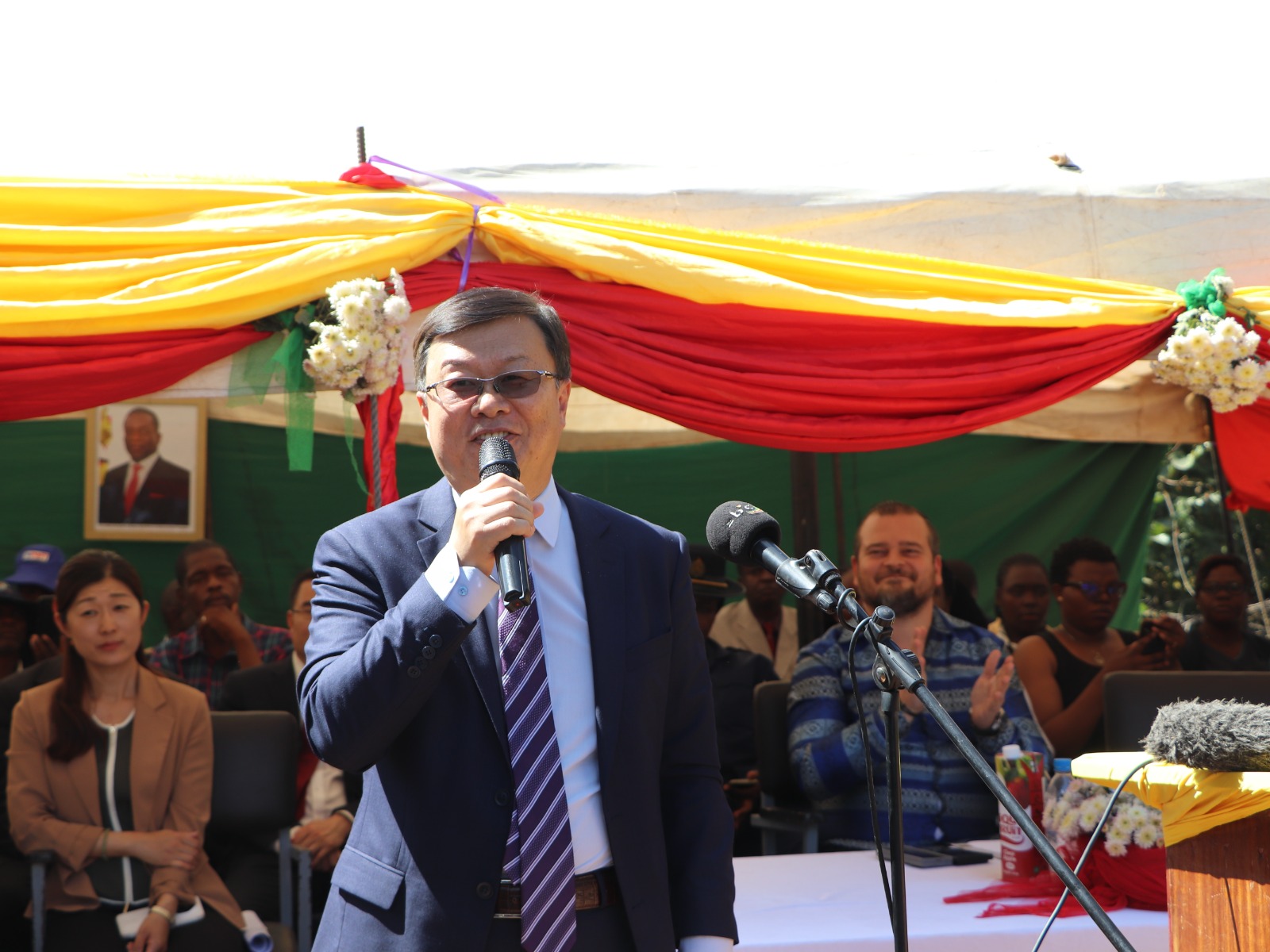
Online Reporter
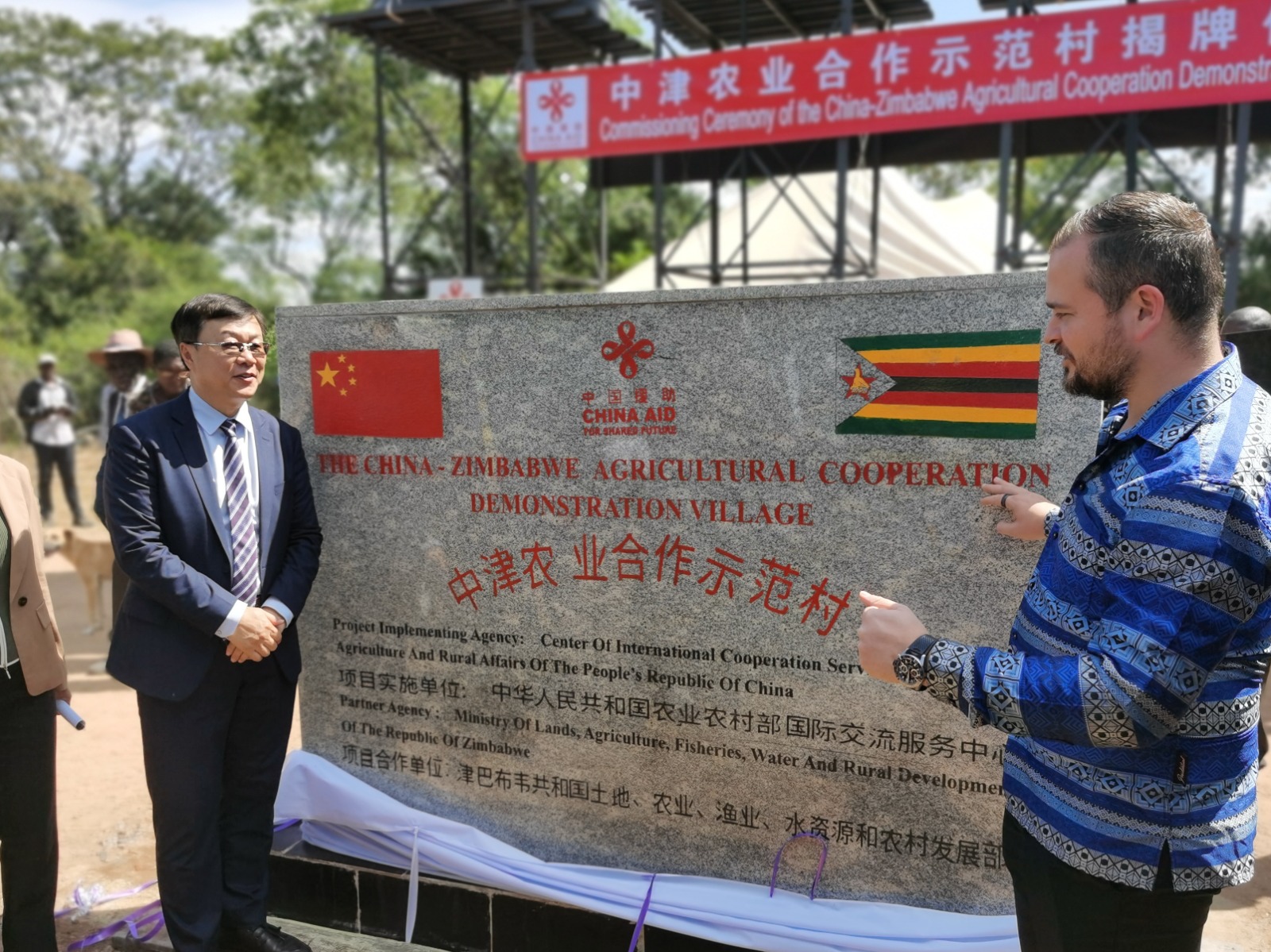
China and Zimbabwe have further strengthened their agricultural partnership with the official commissioning of the China-Zimbabwe Agricultural Cooperation Demonstration Village in Zindi Village, Shamva District.
The project, a key milestone under China’s Global Development Initiative (GDI), aims to boost food security, rural livelihoods, and sustainable farming practices in Zimbabwe.
Speaking at the ceremony, Chinese Ambassador to Zimbabwe, His Excellency Zhou Ding, highlighted the project’s significance in aligning with Zimbabwe’s national development agenda.
“This initiative embodies President Mnangagwa’s vision of ‘Leaving No One and No Place Behind’ and reflects China’s commitment to supporting Zimbabwe’s agricultural modernization,” he said.
The Zindi Demonstration Village follows the success of a similar project in Zvimba District, Mashonaland West, which was recognized as a global best practice in poverty reduction. That project has already transformed local livelihoods, with beneficiary families recording an average annual income exceeding $1,000—a 52 percent year-on-year increase in 2024.
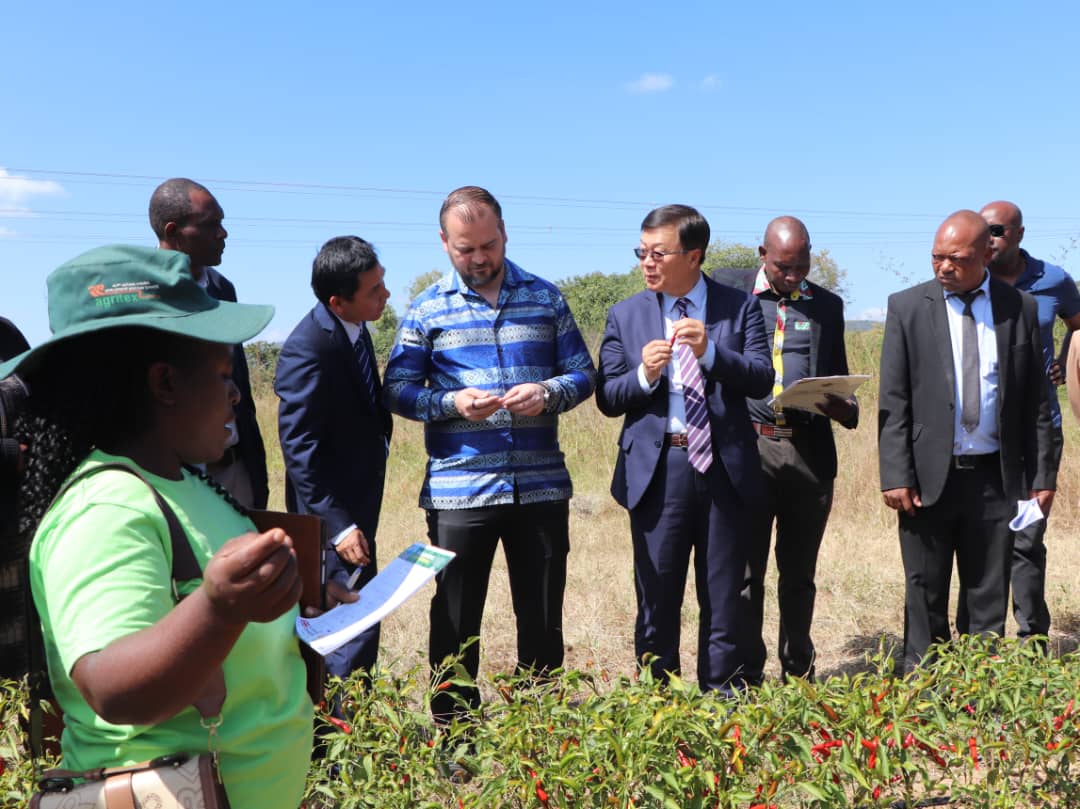
To date, Chinese agricultural experts have completed critical infrastructure in Zindi, including three solar-powered boreholes and 17 water access points, ensuring reliable water supply for all 85 households and enabling efficient irrigation. Additionally, farmers have been trained in advanced techniques, leading to a maize yield of five tonnes per hectare—a significant improvement over traditional methods.
The Chinese government has further pledged $100,000 worth of agricultural equipment, including hatching machines, incubators, and solar panels, to enhance productivity.
Ambassador Zhou also unveiled plans to introduce Juncao technology, an innovative Chinese agricultural solution that has been adopted in over 100 countries. Juncao—a fast-growing, nutrient-rich grass—can be used for mushroom cultivation, livestock feed, and environmental restoration. Pilot projects are already underway in Harare, with plans for nationwide expansion, including Mashonaland Central.
The commissioning comes as Zimbabwe faces severe drought conditions linked to El Niño. China has responded with a $16 million emergency food aid package to support Zimbabwe’s Food Deficit Mitigation Programme, benefiting vulnerable communities, including those in Mashonaland Central.
Over the past decade, China has drilled 1,300 boreholes, built schools and hospitals, and imported Zimbabwean agricultural products while financing major infrastructure projects such as power stations and airports.
As Zimbabwe celebrates 45 years of independence and 45 years of diplomatic ties with China, the Zindi Demonstration Village stands as a testament to the deepening cooperation between the two nations.
“China will remain a steadfast partner in Zimbabwe’s journey toward Vision 2030,” Ambassador Zhou said. “Together, we will achieve food security, sustainable growth, and prosperity for all.”
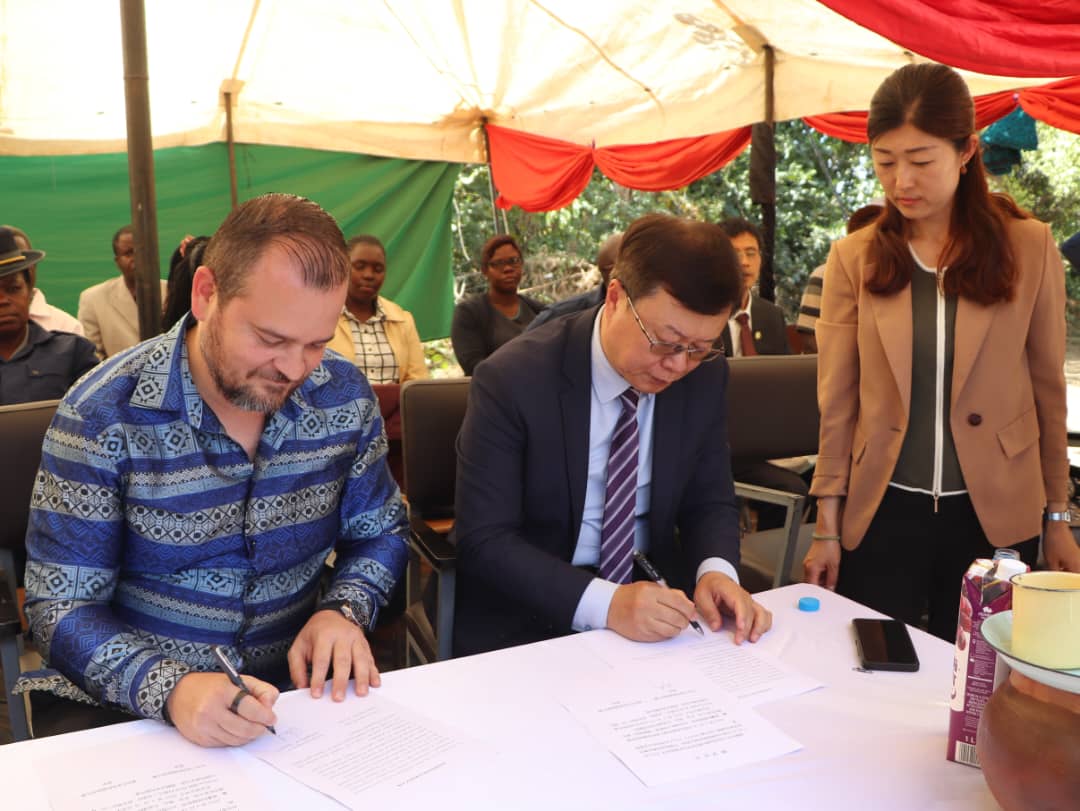
The event was attended by senior Zimbabwean officials, including Deputy Minister of Agriculture Vangelis Haritatos and Mashonaland Central’s Director of Economic Affairs, Levi Katambarare, who commended China’s unwavering support for Zimbabwe’s agricultural development.


 Online Reporter