Online Reporter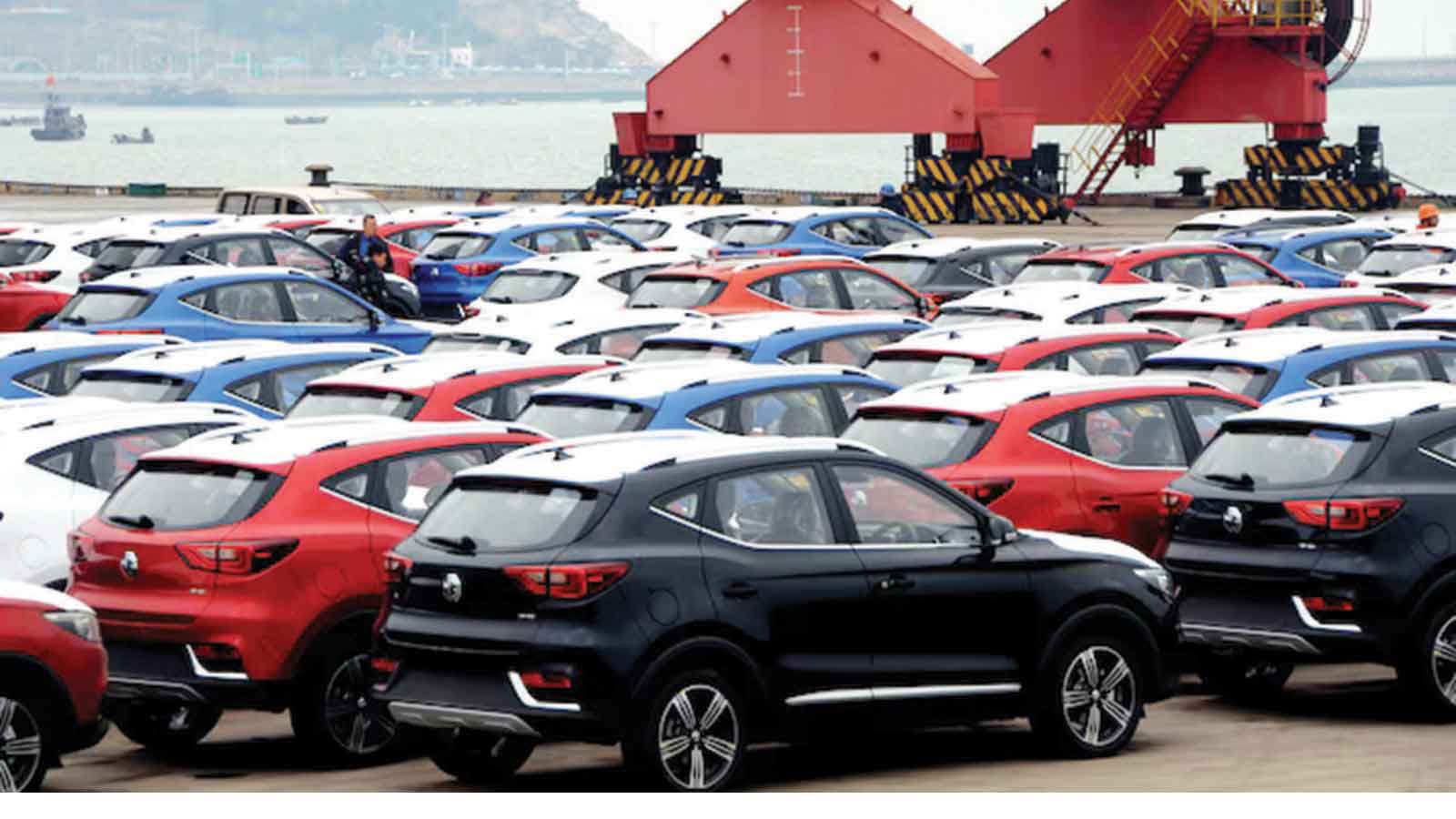
CHINA’S automakers are powering up more industry disruption.
The country’s monthly car exports just crossed the seven-digit mark for the first time and show no signs of slowing down.
That will revive protectionist arguments, speed up overseas production, squeeze global rivals’ margins and even spur consolidation. Manufacturers in the People’s Republic shipped 1,1 million cars overseas in June, more than 70 percent higher than the same month last year.
If that trajectory holds, it suggests the country could comfortably beat earlier forecasts of around 10 million sales abroad for the full year.
Twin engines are powering the trend.
At home, sales have fallen for nine months straight. Domestic purchases have slipped by around a fifth year-to-date, adding to already excessive supplies.
Elsewhere, buyers are more eager: Fuel prices, driven higher by the Iran war, have stoked interest in affordable battery-powered options. That helped some manufacturers, such as Geely Automobile, more than double the number of cars they sent overseas in June.
And it is not only made-in-China cars.
The country’s automakers plan to boost overseas production to 3,4 million vehicles by 2030, compared with 1,2 million last year, according to research from consultancy firm AlixPartners.
BYD, which jacked up exports by around 90 percent last month, says its new Hungary plant will open later this year, and it is already hunting for a second site in Europe.
Accelerating exports and overseas production will outpace the rest of the industry.
Global growth will be almost non-existent this year at around 0,2 percent, per S&P Global Mobility.
That means Chinese marques’ expansion depends on grabbing shares from international incumbents.
BYD executive Stella Li told the Financial Times she thinks the US$113 billion group will eventually overtake Toyota Motor, even without entering the United States market.
All of this will put money-losing rivals like Honda Motor and VinFast Auto in an even tougher spot, while diminishing profits for others.
The average net margin for a basket of 12 automakers dropped to 1 percent last year, versus around 6 percent five years ago, when Chinese exports began to gather steam, per Visible Alpha.
Some may need to consider deals and partnerships to regain scale and shore up their positions.
Policymakers in jurisdictions hoping to protect their homegrown auto champions have already put in place tariffs and trade blocks.
June’s export data shows those measures have so far done very little to stem the tide, suggesting a bigger backlash may be in the works.
The European Union, for example, has yet to impose additional duties on battery-petrol hybrid models to match those already in place for pure electric cars.
Brussels is reconsidering that stance, Handelsblatt has reported, citing sources.
Surpassing the one million mark may be good for electric vehicle (EV) adoption, but it risks China putting its automakers on a collision course with their overseas rivals. — Reuters