Online Reporter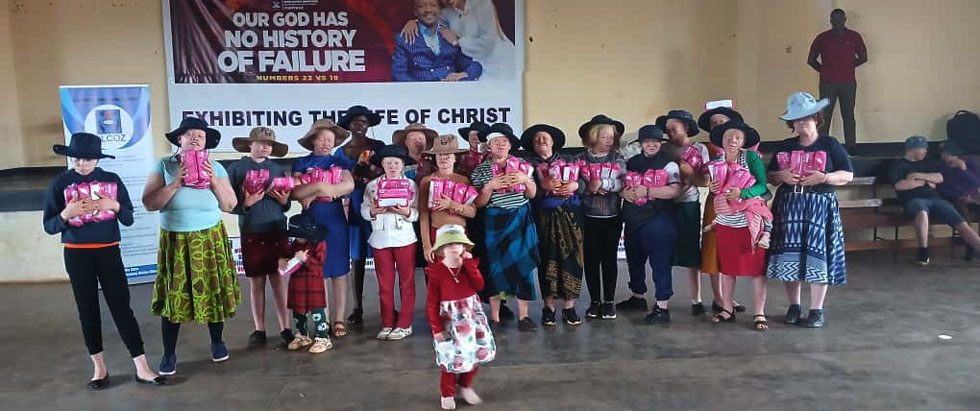
Tendai Gukutikwa
Health Reporter
PEOPLE with albinism living in some of Chipinge’s hottest, most remote communities received long-overdue health support during a recent outreach in the area.
The Albino Charity Organisation of Zimbabwe intensified efforts to support people with albinism living in some of the country’s most remote and heat-prone communities in Chipinge, placing renewed focus on the daily health risks, stigma and structural barriers faced by affected families.
Speaking after last weekend’s outreach held under the theme: ‘Breaking Barriers, Building the Future, the organisation’s projects and programmes director, Mr George Mafararikwa, said the visit was part of their mandate to reach beneficiaries in outlying areas where the effects of the sun can be life-threatening without proper protection.
“As a national organisation, it is one of our mandates to go out and meet beneficiaries across the country, especially those in outlying areas like Chipinge. These places are so hot that, from time to time, they are supposed to receive sunscreen lotions and other skin care products,” he said.
Mr Mafararikwa said the theme was inspired by the realities faced by children with albinism, and the women raising them, many of whom shoulder the burden alone after being abandoned by their spouses.
“Some of these children cannot afford going to school due to of resources. We go out there and break those barriers, assist these children to be able to go back to school by paying their fees, buying them uniforms, stationery, and also helping the girl child with basic necessities like sanitary wear,” he said.
The organisation also used the visit to highlight discrimination that continues to affect many affected families, particularly women who face stigma and blame after giving birth to a child with albinism. Mr Mafararikwa said cultural misconceptions often result in marriages collapsing, leaving mothers under immense economic and emotional pressure.
“We know that men normally say when a baby with albinism is born, that it is a curse and we can’t allow that in our family. This ends up splitting relationships and the mother remains with the child. That causes a lot of pressure, even mental health challenges, due to stigmatisation and neglect,” he said.
He explained that albinism which is caused by the absence of melanin, the pigmentation that protects the skin from ultraviolet radiation, places individuals at heightened risk of severe sunburn, skin damage and skin cancer.
“The effect of the sun rays on their skin is very critical and dire. When we go out there, we assist them with sunscreen lotions, lip balms and sunhats so they are protected against the effects of the sun,” he said.
During the Chipinge outreach, every person with albinism who attended received not less than three 250ml bottles of sunscreen lotion, at least three lip balms, two sunhats, a 250ml bottle of disinfectant liquid and a bar of bath soap. Girls and young women also received five packets of sanitary wear each.
“Those items will take them for almost a year. These are some of the items we distributed free to our beneficiaries in Chipinge,” said Mr Mafararikwa.
Beyond the physical health risks, Mr Mafararikwa said people with albinism continue to face obstacles in accessing basic services. Many are excluded from disability benefits and food aid because community leaders and service providers do not recognise albinism as a disability, despite its official classification.
“Most stakeholders do not know that persons with albinism are classified as disabled. They say, ‘You are a normal person, you do not have a disability,’ so they are not included. Those are some of the challenges they face when they go to get free handouts.
“Even standing in queues exposes them to health dangers, yet many communities remain unaware of the need to exempt them from spending long hours in the sun. They are not supposed to stand in the queue in the sun because of their condition,” he said.
He said some community leaders are not aware and so when the organisation visits, it conscientises them by raising awareness that there is need to handle the condition of albinism with the care it requires. The organisation also provides psychosocial support, counselling mothers affected by stigma and helping them rebuild their lives. Mr Mafararikwa said many women benefit from small capital injections meant to help them start income-generating projects.
“We encourage them and give them livelihood capital to start small businesses so they can take care of themselves,” he said.