Online Reporter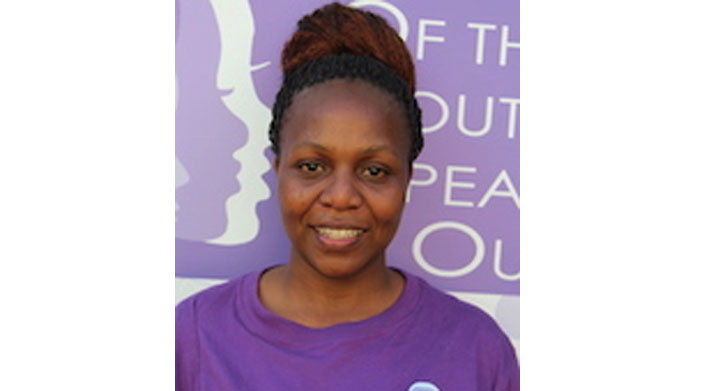
Tendai Gukutikwa
Health Reporter
GOVERNMENT has been applauded for making progress in ensuring that post-abortion care is available at designated health facilities.
However, uptake remains worryingly low, with experts warning that thousands of women continue to suffer complications in silence due to stigma, fear, misinformation and cultural barriers that push them away from lifesaving treatment.
In an interview on the sidelines of a media training, Women’s Action Group programme officer, Ms Vimbai Nyika said the availability of care is an important step in safeguarding women’s health, but misconceptions around abortion and community attitudes are still discouraging women from seeking help.
She said the improvements made over the years now mean that most major hospitals and several district facilities can manage complications arising from unsafe or incomplete abortions.
Despite this progress, many women still delay or avoid seeking treatment, resulting in preventable deaths, long-term disabilities, infertility and psychological trauma.
She described the low uptake as a serious public health concern.
“The services are there, and the Government has done commendable work ensuring that trained staff, equipment and medicines are available for post-abortion care. But the number of women who actually arrive at a health facility on time remains very low. Many come when they are already septic, critically ill or in shock. Some never make it at all,” said Ms Nyika.
Unsafe abortion remains one of the leading indirect causes of maternal deaths in Zimbabwe, with young women and those from rural and marginalised communities being the most affected.
Ms Nyika said communities continue to misunderstand post-abortion care, often mistaking it for illegal termination of pregnancy.
“Post-abortion care is not abortion. It is emergency medical treatment offered to any woman who has had a miscarriage or complications from an unsafe procedure. We are seeing dangerous delays because women fear being judged or reported.
“Unsafe abortions are happening and they are a reality, and yet women still hesitate to seek post-abortion care because they fear being judged. Some even stay at home after a miscarriage because they worry about what health workers or community members will say,” she said.
Ms Nyika said many women underestimate the health risks that come with not receiving timely care.
She stressed that complications can occur regardless of whether a pregnancy ends naturally or unsafely.
“We need to raise awareness on what post-abortion care is, why it is important, where one can access it, and the implications of not accessing it,” she said.
She warned that delaying treatment can be life-threatening.
“At the very extreme, someone might even lose their life. Women can develop severe infections, endure intense pain, and in cases where traumatic methods were used, the reproductive system can be seriously damaged,” she said.
She also highlighted the long-term health consequences of ignoring symptoms after a miscarriage or unsafe abortion.
“If an infection is left unchecked, it can develop into something that threatens their ability to have children in the future,” she said.
Ms Nyika added that post-abortion care includes pain management and counselling.
“Health is not only physical. Post-abortion care encompasses psychosocial support so that women recover fully,” she said.
Ms Nyika added that conversations around abortion and reproductive health are increasingly taking place across different sectors, a shift she welcomes.
“In communities you now hear village health workers, health service providers, even religious and traditional leaders talking about sexual and reproductive health issues. At parliamentary level, these matters are also being raised. When the law says someone can access a service, they should be able to do so without barriers,” she said.
Ms Nyika also noted that civil society organisations have played a crucial role in ensuring the Termination of Pregnancy Act and related services are openly discussed and better understood.
“There is need for accountability and for us to see if the law is serving its purpose,” she said.
Speaking on the role of the media, Ms Nyika urged journalists to remain sensitive and well-informed when reporting on sexual and reproductive health.
“There are many misconceptions because information is limited. These are public health matters with a human face, so reporting must be sensitive and verified,” she said.
Ms Nyika said breaking stigma remains key to improving health outcomes.
“Women must know that post-abortion care is a right. No one should suffer or lose their life because they feared being judged. Empowerment begins with information, and women must feel safe accessing the care they need,” she said.