admin
adminprovince.
The dam, which suffered severe silting in 1976, is expected to become functional in three months on completion of the project.
Residents have had to walk for between 20 and 30 kilometres in search of water for their livestock.
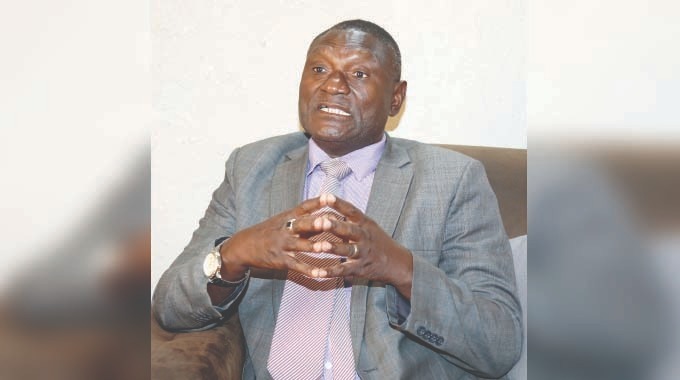
Speaking at the launch ceremony attended by several chiefs in the area, Dr Kereke said he felt compelled to initiate a community self-help programme to rehabilitate the dam.
“Bikita district has, over the years, also seen recurrent droughts that are ravaging people’s livelihoods.
“It has, therefore, become a naturally compelling project to rehabilitate the Chirevereve Dam to ameliorate the hardships that residents are currently facing,” he said.
To that end Dr Kereke has donated two tractors, 30 tonnes of maize, a dam scooper, 100 wheelbarrows, 50 shovels, tractor-drawn watertank and cement, among other requirements.
He would also hire excavators and tipper trucks for the project. He urged the community to work together for the success of the project.
“It is for this reason that we implore our community leaders, together with key Government departments such as EMA (Environmental Management Authority), Arex as well as council to play an active role in organising the community during the implementation of this project,” he said.
Government has since the attainment of independence sought to rehabilitate and construct dams to improve water supply but its efforts have been constrained by a lack of resources. This has been compounded by illegal sanctions imposed on Zimbabwe by the West and its allies.
It is against this background that Government has implored the private sector and other stakeholders to complement its efforts in infrastructure development.
Dr Kereke said such initiatives as the dam project would also complement the land reform programme and help transform lives.
“The gains of political independence and the land reform programme must now be consolidated through active utilisation of our means of production. This means that we fully put to productive use the land, the minerals that are underground, the wildlife, woodlands, waterways characterising the diversity of our country’s flora and fauna,” he said.


 Online Reporter