Online Reporter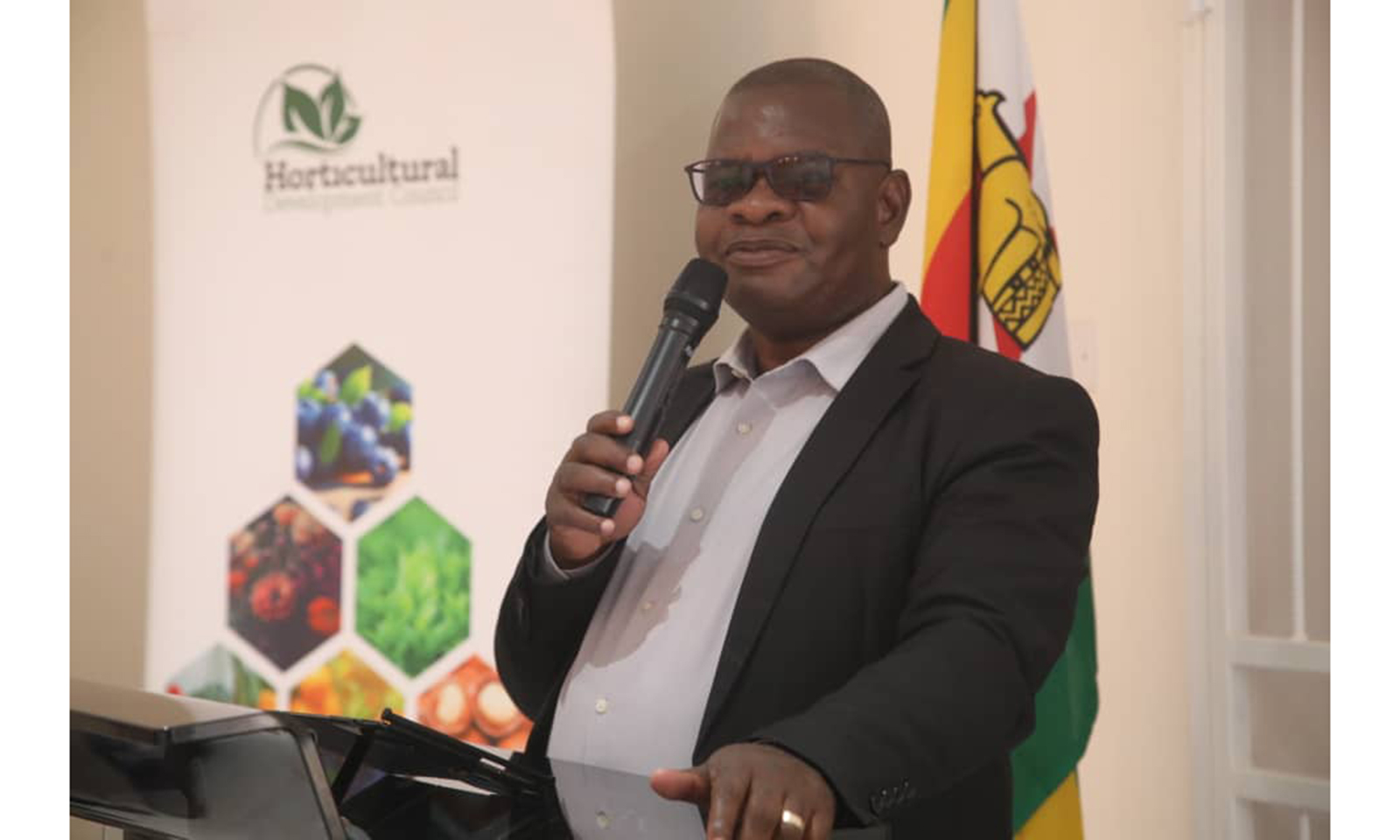
Prof Jiri file pixTheseus Shambare [email protected]
GOVERNMENT, farmers and the private sector must now reduce reliance on foreign aid and adopt an inward-looking approach as Zimbabwe strengthens its resilience against global shocks.
Climate change and rising geopolitical instability have disrupted economies worldwide, but Zimbabwe, an agrarian economy with a favourable climate and vast arable land, has the potential to turn these challenges into opportunities.
To curb the potential vulnerabilities, the Government, through the Chitepo School of Ideology, has launched a programme to cultivate local farmers who are ideologically and politically grounded, ensuring the entire agricultural value chain is managed as a business.
Speaking at the Strategic Grain Reserve (SGR 200ha+) Club Strategic Planning Workshop, Lands, Agriculture, Fisheries, Water and Rural Development Permanent Secretary, Professor Obert Jiri, said the initiative is key to achieving food sovereignty and building a resilient, self-reliant agricultural sector.
The SGR 200ha+ Club comprises large-scale farmers managing 200 hectares or more, who have united to support Zimbabwe’s Strategic Grain Reserve programme and bolster national food security.
“The SGR 200ha+ Club is central to our national goal of food security. These farmers are not just producers, they are strategic players in building a self-reliant agricultural economy,” he said.
“We cannot leave our food security to external forces. This initiative ensures that farmers are empowered to manage the entire value chain as a business, from production to marketing, reducing dependence on imports and foreign aid,” Professor Jiri said.
He noted that the country has made significant strides in agricultural recovery, citing record wheat self-sufficiency and a maize rebound, while efforts to revive traditional grains such as sorghum and millet are strengthening household food security in semi-arid regions.
Professor Jiri said the initiative was not only about agricultural production but also about national development.
“Food sovereignty is national sovereignty. By empowering farmers ideologically and practically, we are securing Zimbabwe’s independence, resilience and prosperity,” he said.
The Chitepo School of Ideology principal Cde Ishmael Mada, represented by the director of Student Affairs Cde Austin Chirisa said the ideological component of the programme was essential for national development.
“We are cultivating a cadre of farmers who understand that food sovereignty is national sovereignty,” he said.
“The programme integrates patriotism, unity of purpose and African identity with modern agricultural management. It is about leaving no one behind and mobilising every stakeholder along the food security value chain—from policy makers and financiers to input suppliers and farmers themselves,” he added.
Cde Mada said the school’s revolutionary consciousness training equips participants to actively influence their operating environment, fostering self-reliance and resilience.
“Big players don’t take their environment as given, they change it. Farmers trained here will do the same, shaping a conducive environment for production and growth,” he said.
SGR 200ha+ Club chairman, Cde Tichaona Mapfoche said the workshop provided a platform for farmers to align their strategies with national objectives and adopt modern infrastructure, mechanisation and climate-smart innovations.
“We celebrate our progress in achieving wheat self-sufficiency and reviving traditional grains. But our task now is to institutionalise excellence, ensure efficiency, and create value along the entire chain,” he said.
The workshop, which brought together Government officials, private sector representatives, development partners and farmers, emphasised the need for strategic partnerships, mentorship through the hub-and-spoke model and embedding business-minded practices in agriculture.