Online Reporter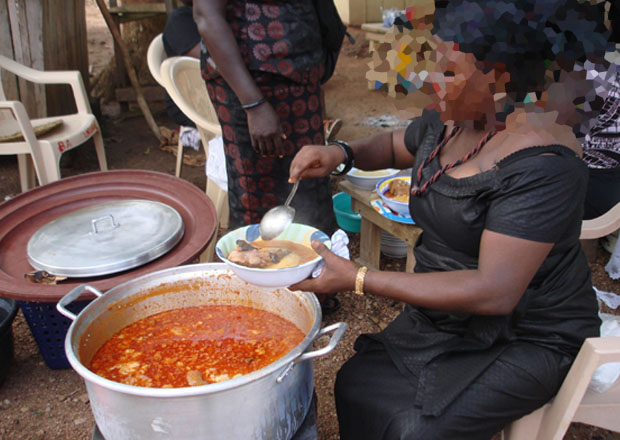
Dr Tendai Zuze
Health Matters
AS you would know by now, cases of cholera have recently been reported in our province.
Cholera is a serious illness that causes severe watery diarrhoea and vomiting, which can quickly lead to dehydration and death if treatment is delayed.
The disease is caused by the bacterium Vibrio cholerae and spreads mainly through contaminated water, food, and unclean hands.
While many people know that dirty water can spread cholera, some everyday cultural and community practices can also increase the risk of infection without us realising it.
One common practice is shaking hands at funerals and gatherings. In our culture, greeting and comforting each other with a handshake is a sign of respect and solidarity.
However, during a cholera outbreak, frequent hand contact between many people can allow germs to spread easily, especially if people have not washed their hands properly.
Another practice seen at gatherings is sharing one dish or bowl of water for handwashing before meals.
While this is done to promote cleanliness, using the same bowl of water can actually spread germs if one person’s hands contaminate the water and others wash in the same bowl afterwards.
It is safer to wash hands under running or poured water, preferably with soap.
Food habits can also contribute to the spread of cholera.
Eating leftover food that has been kept at room temperature for long periods, especially overnight, can allow bacteria to multiply.
During outbreaks, it is safer to eat freshly prepared food and reheat leftovers thoroughly before eating.
Many people also enjoy eating fruits directly from trees without washing them.
Fruits can easily carry germs from dust, insects, birds, or contaminated water used in the area.
Washing fruits with clean water before eating can greatly reduce this risk.
Sanitation practices are also very important. In some areas people still use the bush toilet system, where individuals relieve themselves in open areas. When this happens, rainwater can wash human waste into nearby streams, shallow wells, and other water sources. This makes it very easy for cholera bacteria to contaminate water used for drinking or cooking.
Another risk comes from the use of water from tsimes (shallow wells). While these wells are an important water source for many communities, they can easily become contaminated, especially if they are not protected or if toilets and waste are nearby.
If water from such sources is not treated or boiled before drinking, the risk of cholera infection increases significantly.
At large gatherings such as funerals or community events, food preparation for many people in one place can also increase risk if hygiene is poor. Food handled by many people or prepared with unsafe water can spread infection quickly to large numbers of people.
None of these practices are wrong in themselves. They are part of our traditions and daily life.
However, during times when cholera is present in the community, small changes in behaviour can save lives.
Simple steps such as washing hands with soap and clean running water, avoiding shared handwashing bowls, using proper toilets, boiling or treating drinking water, washing fruits before eating, and eating freshly prepared food can make a very big difference.
It is also important to recognise the early symptoms of cholera. Sudden watery diarrhoea, vomiting, and weakness can lead to rapid dehydration. Treatment should begin immediately with Oral Rehydration Salts (1 litre water, six level teaspoons sugar and ½ level teaspoon salt), and the patient should be taken to the nearest health facility as soon as possible.
Cholera spreads quickly, but it can also be prevented. By making small changes in our daily habits we can protect ourselves, our families, and our communities.
For more on cholera prevention, contact [email protected]